
What Makes Furniture Look Expensive at Home?
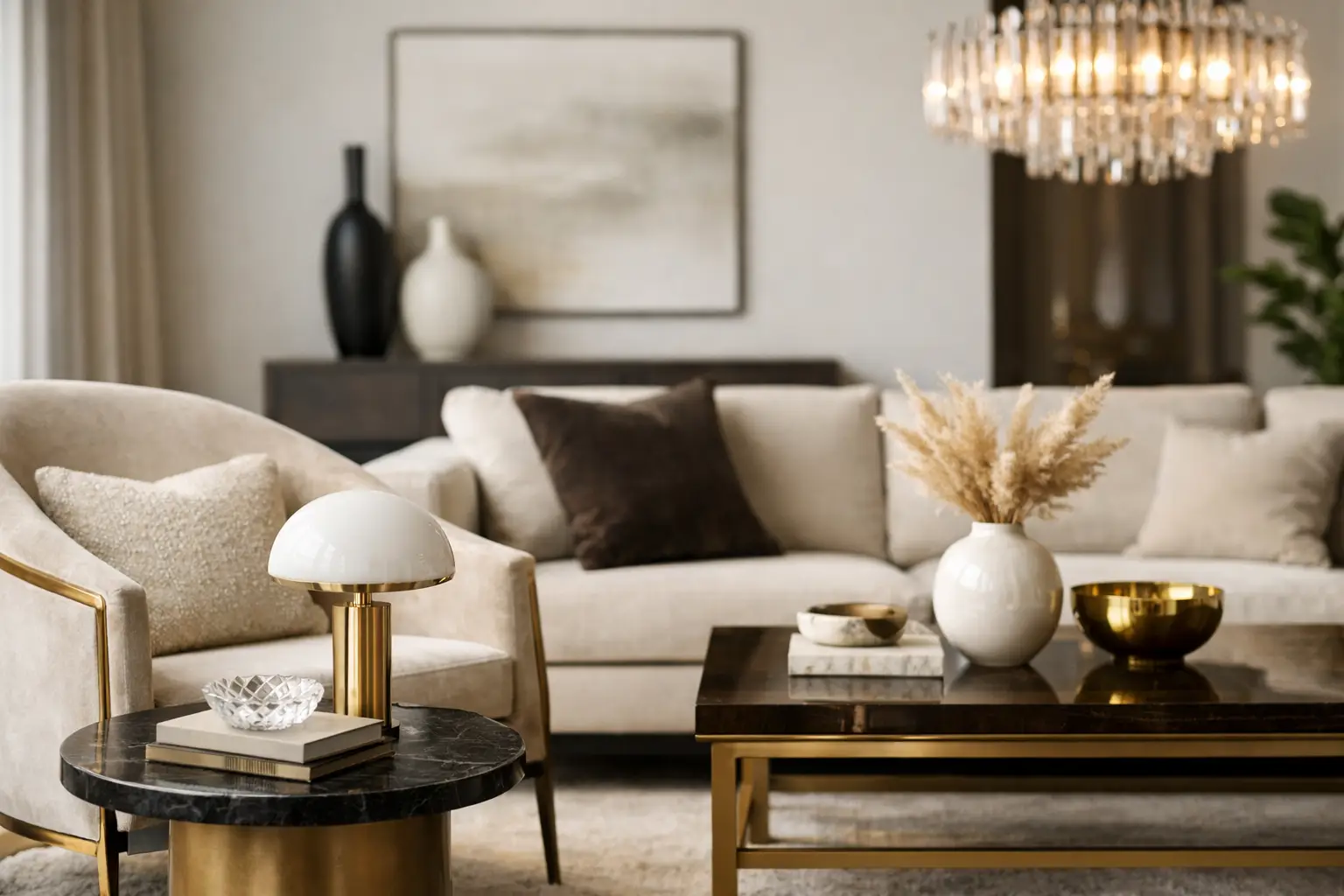
A room can have a modest budget and still feel exceptionally considered. The difference is rarely a logo or a sky-high price tag. What makes furniture look expensive is the way proportion, material, finish, and styling work together to create visual calm. A well-chosen piece with a tailored silhouette often feels more elevated than an oversized statement buy that fights the room around it.
For a home that looks polished rather than overly staged, focus on the details designers notice first: scale, construction, texture, and restraint. These choices create the kind of premium presence that photographs beautifully, wears well, and makes everyday living feel more refined.
What Makes Furniture Look Expensive? Start With Proportion
The most luxurious-looking rooms rarely feel crowded. Furniture has room to breathe, pathways remain clear, and every piece appears intentionally placed. This is why scale is one of the strongest signals of quality, even before anyone gets close enough to notice the fabric or finish.
A sofa that is too large can make a living room feel compressed, while an undersized coffee table can make the entire seating area look unfinished. As a useful guide, a coffee table should be roughly two-thirds the length of the sofa, with enough clearance to move comfortably around it. Dining chairs should tuck under the table with ease, not squeeze shoulder-to-shoulder around it.
Height matters, too. A low-profile sofa paired with a towering side table can feel accidental. A bed with a substantial headboard, properly scaled nightstands, and layered bedding feels deliberate. Expensive-looking spaces use relationships between pieces, not just beautiful individual products.
Choose Materials That Have Depth
Material is where a room quietly communicates quality. Solid wood, natural stone, linen, wool, leather, rattan, and well-made metal develop character through grain, variation, and texture. They do not need to be used everywhere. In fact, a thoughtful mix tends to feel more collected and sophisticated than a room finished in one matching surface.
Wood furniture looks especially elevated when the grain is visible and the stain has dimension. A warm oak console, walnut dining table, or blackened wood accent chair can ground a room without making it heavy. Look for finishes that feel matte, softly satin, or hand-rubbed rather than overly glossy. High-shine surfaces can be striking in small doses, but too much sheen often reads less refined.
For upholstery, performance fabric can be an excellent choice for busy homes with children, pets, or frequent guests. The key is choosing a fabric that still has visual richness. Textured bouclé, woven linen blends, tailored velvet, and nubby performance weaves offer more depth than thin, flat polyester. Cream and ivory can look beautiful, but warm camel, olive, tobacco, slate, and soft mushroom tones often hide daily life more gracefully.
Natural stone is another powerful upgrade, whether it appears as a dining tabletop, side table, tray, or lamp base. Real marble and travertine have distinctive veining, but a quality stone-look finish can create a similar effect at a more accessible price. The trade-off is durability and visual authenticity, so reserve the real thing for a piece you expect to keep for years.
Look Beyond the Surface Finish
Furniture that looks premium tends to have visual weight. That does not always mean it is physically heavy, but it should look substantial. Notice the thickness of a tabletop, the taper of a leg, the depth of a drawer front, and the way a frame meets the floor.
Small construction details make an outsized impression. Flush drawers, clean joinery, upholstered pieces with tailored seams, and metal hardware with a satisfying scale all suggest care. Avoid furniture where thin panels, visible unfinished edges, or flimsy-looking legs are the first things you see. A simple piece with excellent proportions will always age better than an ornate one with weak details.
Favor Tailored Silhouettes Over Trend-Only Statements
A premium room does not need to be formal. It needs to feel edited. Furniture with clean lines, gentle curves, and a clear point of view is more likely to look timeless than a piece chosen solely because it is having a moment online.
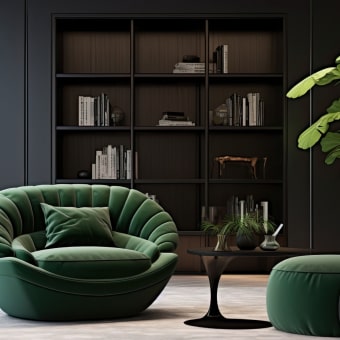
Consider a channel-tufted chair, a rounded pedestal table, a low walnut media console, or a streamlined upholstered bed. These silhouettes can feel current without demanding that the rest of the room follow a short-lived trend. Curves soften a space; straight lines add structure. The most compelling interiors usually include both.
This is also where restraint becomes valuable. Matching furniture sets can be convenient, but they may make a room feel like a showroom display. Instead, coordinate through undertones and scale. Pair a warm wood table with upholstered chairs in a neutral textured fabric, then introduce a metal pendant or sculptural vase. The result feels curated, not purchased all at once.
Invest Where Hands and Eyes Land First
Not every item requires the same budget. The smartest approach is to prioritize the pieces people use and notice most: a sofa, dining table, bed, rug, and lighting. These anchor items set the visual standard for the room, allowing smaller supporting pieces to be more value-conscious.
A larger rug is one of the fastest ways to make furniture look more expensive. In a living room, the front legs of the seating should usually rest on the rug. A too-small rug can make even beautiful furniture feel scattered. In a bedroom, extend the rug beyond the sides and foot of the bed so the room feels grounded when you step out in the morning.
Lighting deserves equal attention. An undersized ceiling fixture can flatten a room, while a thoughtfully chosen pendant, chandelier, or sculptural floor lamp adds instant presence. Layer overhead lighting with table lamps and wall lighting when possible. Warm bulbs create a welcoming, upscale glow that cool white lighting simply cannot replicate.
Style With Contrast, Not Clutter
Luxury is often perceived through contrast: smooth against textured, light against dark, curved against linear. A pale sofa becomes more striking with a dark wood side table. A sleek console gains character with a textured lamp, a ceramic vessel, and one large piece of art instead of many small decorative items.
The goal is not to fill every surface. Leave negative space on shelves, tabletops, and walls. A generously sized bowl, a stack of art books, and a branch in a sculptural vase can look more expensive than a crowded collection of small accessories. When objects have space around them, their shape and material become more visible.
Artwork should be scaled confidently. A small frame floating above a large sofa tends to make the wall, and the room, feel less finished. One oversized print, a pair of substantial framed pieces, or a simple gallery arrangement with consistent framing can add a collected feel without overwhelming the space.
Keep Color Intentional
A restrained palette is not the only path to a high-end home, but it is the easiest one to execute. Start with two or three foundation tones, then add contrast through wood, metal, and textiles. For example, creamy upholstery, medium oak, charcoal accents, and aged brass can create a warm, layered look with broad appeal.
If you love color, use it with confidence rather than scattering many competing shades throughout the room. A deep blue velvet chair, rust-colored drapery, or moss-green accent wall can feel exquisite when surrounded by quieter materials. Repeating one color or finish in two or three places makes the choice look intentional.
The Finishing Details Matter More Than the Price Tag
Furniture looks elevated when it is cared for. Wrinkled curtains, sagging cushions, scratched finishes, and visible cords can undermine even an impressive purchase. Steam drapery panels, fluff pillows, tighten loose hardware, and use cord management where devices and lamps are visible.
Window treatments are particularly transformative. Hang curtains high and wide, ideally closer to the ceiling than the top of the window frame, and choose panels with enough fullness to look generous when closed. This visually heightens the room and gives it a more custom appearance.
Thoughtful upgrades do not require replacing everything. A new set of substantial hardware, better lamp shades, tailored pillow covers, or an appropriately scaled rug can shift the entire impression of an existing room. Bluurban’s approach to elevated living is rooted in exactly this kind of smart selection: choose fewer pieces with stronger presence, then let the details do their work.
The most expensive-looking furniture is not necessarily the most expensive furniture. It is the piece that fits the room, feels good to use, and continues to look considered after the novelty wears off. Build slowly, trust proportion, and choose materials and finishes that make your home feel distinctly yours.









Leave a comment