
Sectional Sofa vs Loveseat for Your Home
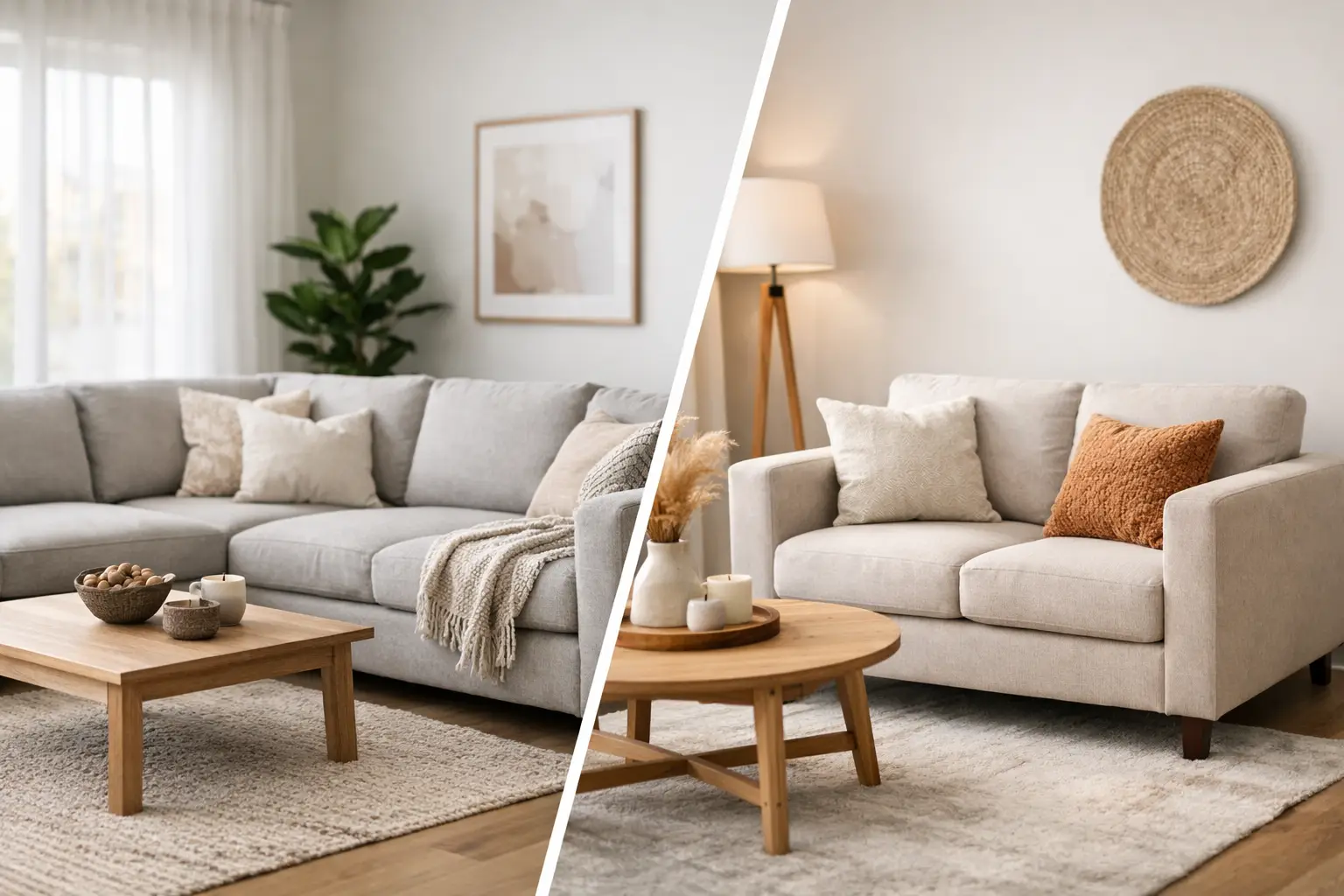
The seating choice that looks perfect in a product photo can feel entirely different once it meets your floor plan, coffee table, and real Saturday-night routine. In the sectional sofa vs loveseat decision, the better option is not automatically the larger or more luxurious piece. It is the one that gives your room the right balance of comfort, proportion, and everyday ease.
A sectional can create an inviting, lounge-ready centerpiece for a family room. A loveseat can bring polish and flexibility to a compact apartment, bedroom, office, or layered living space. Both can look elevated. The difference lies in how they ask your home to function.
Sectional Sofa vs Loveseat: The Space Question
Start with the room, not the sofa. A sectional is designed to define a seating zone. Its extended chaise or L-shaped configuration gives a larger room a sense of structure, particularly in open-concept homes where the living area needs a clear visual boundary. It also eliminates the need to coordinate multiple primary seating pieces, which can make furnishing feel simpler.
That scale comes with a requirement: breathing room. A sectional should not press against every wall or interrupt the natural route between the kitchen, entryway, and living area. As a general rule, leave enough clearance to walk comfortably around the seating area and keep the coffee table within easy reach. Measure doorways, stairwells, elevators, and hallways before ordering as well. A beautifully proportioned sectional is only useful if it can make it into the room.
A loveseat has a much lighter footprint. Typically built for two people, it gives you more freedom to position it across from a sofa, beside a fireplace, near a window, or at the foot of a bed. It is often the smarter choice in a smaller living room because it preserves visual openness instead of turning the entire room into one large seating zone.
A loveseat can also be surprisingly impactful in a generous space. Pair one with two accent chairs and a substantial coffee table for a conversational layout that feels considered rather than crowded. This approach works especially well for entertaining, when guests naturally prefer eye contact over a row of seats facing one direction.
Choose a Sectional When Lounging Is the Priority
A sectional earns its place when your home is where people gather, stretch out, and stay awhile. The chaise is especially appealing for movie nights, weekend reading, casual naps, and households where multiple people want to relax without negotiating for the best seat.
For families, a sectional can be a practical anchor. It offers enough room for parents, children, and a pet or two without immediately requiring additional chairs. In a media room, it delivers the relaxed, immersive feeling many people want from a dedicated entertainment space. A modular sectional adds another layer of versatility, allowing you to reconfigure pieces when you move, refresh the room, or need a different arrangement for guests.
Still, bigger is not always better. An oversized sectional can make a modest room feel less refined, even if it technically fits. It may limit where you can place side tables, floor lamps, storage, or accent seating. If your room has a focal point such as a fireplace, expansive windows, or a statement wall, choose a configuration that complements it rather than blocks it.
The chaise orientation matters, too. When standing in front of the sofa, note whether the chaise extends to the left or right and imagine how that affects walkways. This small detail can determine whether a room feels effortlessly arranged or constantly inconvenient.
Choose a Loveseat When Flexibility Matters Most
A loveseat brings a tailored look that is easy to adapt. It is ideal for apartments, condos, first homes, guest rooms, and multipurpose spaces where every square foot has a job. Because it occupies less visual and physical space, it lets other design elements stand out: an architectural rug, sculptural lighting, textured curtains, or a striking side table.
It is also a compelling choice for people who prefer to build a room in layers. You might start with a loveseat and one accent chair, then add another chair or ottoman later. That approach can feel more intentional than filling a room all at once, and it allows your space to evolve with your lifestyle.
For couples or solo dwellers, a loveseat may provide all the everyday seating you need. It creates a cozy setting without encouraging the room to become overly casual. In a home office or primary bedroom, it offers a refined spot for conversation, reading, or a quiet cup of coffee without the presence of a full-scale living room sofa.
The trade-off is obvious but worth being honest about: a loveseat has limited capacity. If you host often or routinely have more than two people watching a game or movie, it will need support from chairs, benches, or floor-friendly poufs. That is not a flaw. It simply means the loveseat works best as part of a composed furniture plan rather than as the sole answer to every seating need.
Comfort Is About Dimensions, Not Just Size
A sectional can offer more places to sit, but comfort depends on the construction and proportions of each seat. Before choosing either style, consider seat depth, seat height, back height, cushion fill, and arm style.
Deep seats invite relaxed lounging but may feel awkward for shorter people who prefer their feet to reach the floor. A more upright seat with supportive cushions can be better for conversation and daily use. High backs tend to feel more traditional and supportive, while lower profiles create a contemporary silhouette that can make a room appear more open.
Fabric matters just as much. Performance upholstery is a polished, sensible option for homes with children, pets, or frequent entertaining. Textured weaves, velvet-inspired finishes, and richly toned fabrics can deliver sophistication, but consider how they will wear in your actual household. A pale boucle sectional may look exquisite, yet a busy family may appreciate a medium-tone performance fabric with easy-care appeal.
For leather upholstery, a loveseat can make a particularly elegant statement because its smaller scale highlights the material without overwhelming the room. A leather sectional, meanwhile, can create a sleek, substantial foundation in a loft, den, or modern family room. Choose the finish based on your desired atmosphere: warm and relaxed, crisp and tailored, or soft and inviting.
Style and Layout Change the Final Answer
A sectional is naturally casual, but its design can shift that impression. Clean lines, slim arms, tailored cushions, and raised legs create a more polished profile. Plush cushions, broad arms, and low silhouettes lean into comfort-first living. If your goal is a luxurious yet livable room, balance a soft sectional with structured pieces such as a refined coffee table, an elegant floor lamp, and a pair of occasional chairs.
A loveseat often reads as more formal because it resembles a compact sofa. It can introduce symmetry when placed opposite matching chairs, or it can soften a room when upholstered in a curved silhouette. In a larger living room, two loveseats facing one another can create a sophisticated conversation area that feels distinctly different from a sectional arrangement.
Consider sightlines as well. In an open plan, a sectional’s back may be visible from the kitchen or dining area, so select an upholstery and profile that look finished from every angle. In a smaller enclosed room, a loveseat’s open space around it can make the area feel brighter and more intentional.
A Smart Buying Checklist Before You Commit
Before selecting your seating, confirm these practical details:
- Measure the room, entry points, ceiling obstacles, and intended pathways.
- Mark the furniture footprint on the floor with painter’s tape to test its scale.
- Decide how many people need comfortable seating on an average day and during gatherings.
- Choose a fabric and cushion style that fit your household’s real maintenance habits.
- Think ahead about a move, a growing family, or a future room refresh.
Budget deserves a place in the decision, too. A quality sectional often costs more upfront because it uses more materials and has a larger footprint. Yet it may reduce the need to purchase multiple supplemental seating pieces. A loveseat can be the more accessible premium purchase, leaving room in the budget for accent chairs, lighting, a rug, or other finishing touches that make the room feel complete.
Neither route needs to be permanent. A modular sectional can adapt across homes, while a loveseat can move easily into a guest room, office, or reading nook when your main living space changes. That long-term flexibility can make a well-chosen piece feel like an especially smart investment.
The best choice is the one that supports the way you want to live when the room is not styled for photos. Choose a sectional if you want your home to invite everyone to settle in. Choose a loveseat if you value an airy layout, tailored versatility, and the freedom to build a space with personality over time.









Leave a comment