
Small Space Furniture Guide for Stylish Living
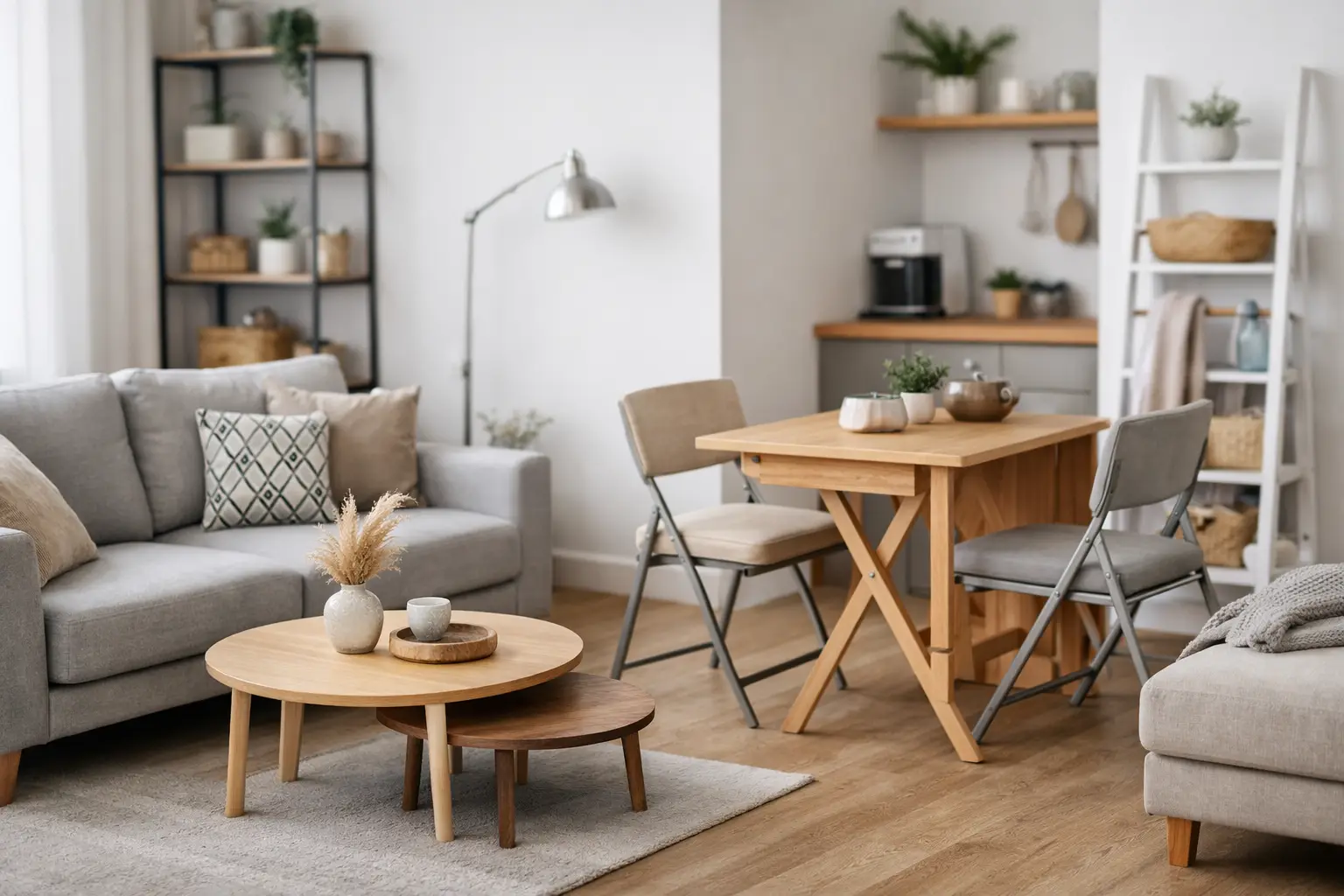
The difference between a cramped room and a polished one usually comes down to one thing – furniture that earns its place. A smart small space furniture guide is not about buying less for the sake of minimalism. It is about choosing pieces with better proportions, cleaner lines, and more than one reason to exist.
For apartment dwellers, first-home buyers, and anyone refining a compact layout, that shift matters. The right sofa can define a living area without swallowing it. The right bed can create storage instead of dead space. And the right dining setup can make a home feel ready for both quiet mornings and last-minute guests.
What a small space furniture guide should prioritize
Small-space shopping is often framed as a compromise, but the best rooms do not feel compromised. They feel edited. That means looking beyond whether a piece simply fits and asking whether it improves flow, light, and daily function.
Scale comes first. A loveseat with slim arms may seat nearly as many people as a bulkier sofa, while taking up less visual and physical room. Open-base furniture also helps. When you can see more floor underneath a console, chair, or bed frame, a room feels lighter and larger.
Function comes next, but multifunction does not always mean oversized transformer furniture. Sometimes the most elegant solution is subtle. A coffee table with concealed storage, an ottoman that works as extra seating, or a nightstand narrow enough for a tight bedroom can make a bigger impact than a piece that tries to do everything.
Material and finish matter more in compact interiors, too. Glass, light wood, soft neutrals, boucle, warm metal accents, and reflective surfaces can all create a more open feel. Dark finishes and heavily carved silhouettes are not off-limits, but they need more restraint in smaller footprints.
Start with the layout, not the product
Before adding anything to cart, map the room. This is where many small-space mistakes begin. People shop by category instead of by movement.
Measure wall lengths, window placement, door swings, outlet locations, and the pathways you actually use. Then decide what the room needs to do every day. A studio living area may need to work as a lounge, office, and guest space. A small dining nook may need to double as a laptop zone. Once those priorities are clear, furniture decisions become sharper and more selective.
Leave breathing room around major pieces. A room packed edge to edge with undersized furniture can feel more chaotic than one with fewer, better-scaled items. It depends on the shape of the room, but in many cases one well-proportioned anchor piece performs better than several small pieces competing for space.
The most common sizing mistake
Going too small across every category is a classic error. Tiny rugs, narrow storage units, and miniature seating can make a room feel temporary rather than elevated. The goal is balance. You want furniture that fits the footprint while still giving the room presence.
A sofa should still feel comfortable. A dining chair should still support real meals. A bed should still allow for a headboard that adds structure and style. Compact living should feel intentional, not scaled down to the point of discomfort.
Living room choices that make a room feel bigger
The living room often carries the most pressure in a small home. It hosts, relaxes, works, and stores. That is why each piece should contribute visually and practically.
Choose seating with exposed legs, tailored upholstery, and a shallower profile if the room is tight. Sectionals can work in small spaces, but only when the shape truly matches the room. In some layouts, a loveseat paired with one accent chair offers more flexibility than an L-shaped sofa.
Coffee tables are another place to be strategic. Round tables soften traffic flow and reduce hard edges in narrow layouts. Nesting tables are especially useful if you need flexibility for entertaining. If storage is limited, a lift-top coffee table can be worthwhile, though the mechanism adds bulk, so the silhouette should stay clean.
Media consoles should sit lower and lean visually lighter. Wall-mounted options free up floor space, while slim-profile units with closed storage keep cables and accessories out of sight. If a TV dominates the room, balance it with texture and proportion rather than adding more furniture around it.
Bedroom furniture for small spaces without the squeeze
A bedroom should feel calm, not crowded. That starts with the bed, which naturally takes the largest footprint. In a compact room, platform beds with built-in drawers or lift-up storage often outperform traditional frames and separate dressers.
That said, under-bed storage is only useful if you can access it easily. In very tight rooms, drawer beds may be harder to open than expected. In those cases, a lift-up storage bed or simple bins can be the better solution.
Nightstands do not need to match or even be traditional. A narrow pedestal table, a small drawer unit, or a floating shelf can work beautifully if it leaves enough room to move comfortably around the bed. Vertical storage matters here as well. Tall dressers, wall shelves, and sconces instead of table lamps can all help reclaim surface space.
Mirrors are especially effective in bedrooms with limited natural light. Positioned well, they amplify brightness and visually stretch the room without adding physical weight.
Dining and kitchen pieces that stay flexible
Not every home has a formal dining room, but even a small kitchen or open-plan corner deserves furniture that supports real use. Round pedestal tables are often a strong choice because they allow easier circulation and can seat people without awkward corners interrupting the flow.
Drop-leaf and extendable tables are practical when square footage is limited, but quality matters. Flimsy mechanisms and unstable legs quickly make a room feel less premium. A well-made expandable table should feel elegant whether it is open or closed.
Benches can save space in breakfast nooks, especially when they tuck fully beneath the table. In many homes, though, dining chairs with slim frames are more versatile because they can move into the living room or home office when needed. That kind of cross-room flexibility is one of the smartest principles in any small space furniture guide.
Storage furniture that does not look utilitarian
The best storage in a small home does not announce itself. It blends into the room while reducing visual noise.
Credenzas, storage benches, ottomans, bookcases with closed lower cabinets, and entry consoles with drawers all help contain the small items that make a compact home feel cluttered. If everything is visible, the room shrinks fast.
Closed storage usually creates a more refined effect than open shelving, especially in multipurpose spaces. Open shelves can still be beautiful, but they require editing. If you love a layered, collected look, keep the palette restrained so the display feels curated rather than crowded.
Wall-mounted storage is another strong option when floor area is limited. Floating desks, shelves, and cabinets preserve circulation while adding function. Just be realistic about weight capacity and installation. Good design should make life easier, not more delicate.
A small space furniture guide to materials and style
Style does not disappear in a small home. If anything, it becomes more visible because every piece matters more.
Look for furniture with refined proportions, tactile upholstery, and finishes that reflect your wider aesthetic. Soft curves can make a room feel more welcoming. Clean-lined wood pieces bring warmth without excess. Upholstered storage benches and tailored headboards add comfort while keeping the look elevated.
Mixing materials also helps avoid a flat, one-note room. A glass-top table, a wood sideboard, a textured rug, and metal lighting can create depth without crowding the eye. The trade-off is that too many finishes can make a tight room feel restless, so repeat tones where you can.
If your style leans bold, choose one statement piece rather than several. A sculptural accent chair or richly upholstered bed can bring personality while the rest of the room stays disciplined. That balance keeps the space feeling premium rather than overfilled.
When splurging makes sense
In smaller homes, furniture gets used hard. The sofa may be your office, lounge, and entertainment zone. The dining table may function as a desk. The bed may need to solve storage and comfort at once. Because each item works harder, quality becomes more valuable.
It often makes sense to invest in the anchor pieces you touch every day: seating, mattresses, bed frames, dining tables, and storage that must operate smoothly. Decorative extras can be more flexible. This is where a curated retailer like Bluurban fits naturally into the process – helping shoppers find elevated pieces that balance sophistication with practical value.
The best purchases are rarely the trendiest in the moment. They are the ones that still make your home feel calm, polished, and easy to live in six months later.
A compact home has a way of rewarding restraint. Choose furniture that gives you comfort, storage, and style without asking the room to work harder than it should. When each piece is selected with purpose, small can feel remarkably well finished.









Leave a comment