
Affordable Luxury Bedding Sets Worth Buying
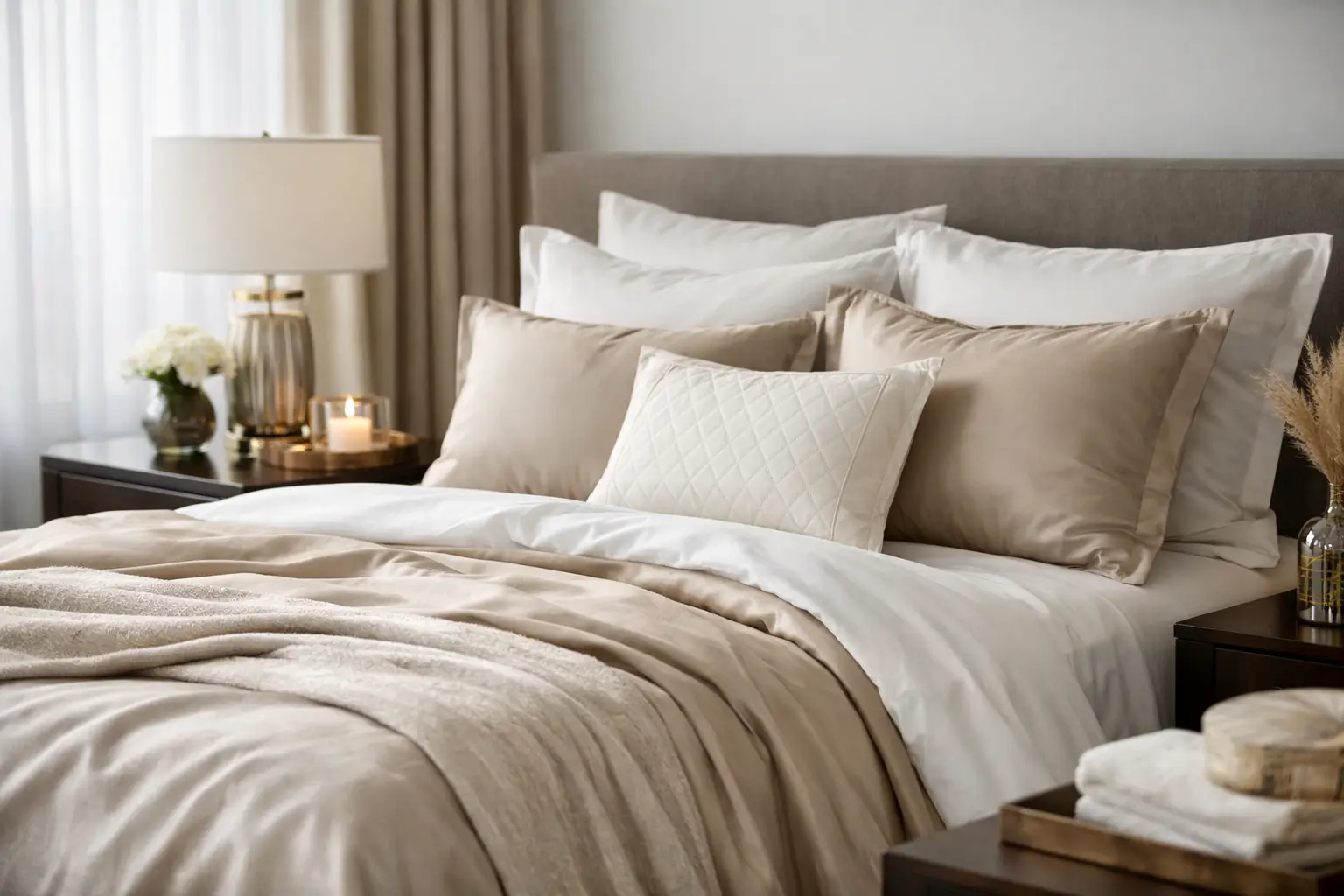
A bed can look expensive long before it is expensive. That is the appeal of affordable luxury bedding sets – they bring the layered, polished feel of a boutique hotel into everyday life without turning a bedroom refresh into a major splurge. For style-conscious shoppers, the real win is not simply finding a low price. It is knowing which details create that elevated look, which materials actually feel good night after night, and where spending a little more makes a visible difference.
What makes bedding feel luxurious
Luxury in bedding is rarely about a single dramatic feature. It is usually the result of several thoughtful choices working together: fabric with a soft hand-feel, clean tailoring, balanced weight, and a color palette that feels intentional. A comforter can be plush, but if the stitching puckers or the pillow shams look flimsy, the whole bed loses its refined finish.
That is why affordable luxury bedding sets sit in such a useful middle ground. They are not trying to imitate couture-level linens at impossible standards. Instead, they deliver the parts most shoppers actually notice – softness, drape, visual texture, and a cohesive look. In practical terms, that may mean a sateen set with subtle sheen, a washed linen blend with relaxed elegance, or a quilted coverlet that gives the bed depth without adding bulk.
For most bedrooms, luxury also means restraint. Overdone embellishment can make a set feel dated fast. Simpler design, better texture, and richer color usually read as more premium than ruffles, glitter finishes, or overly busy prints.
How to shop affordable luxury bedding sets wisely
The smartest purchase starts with the fabric, because fabric shapes both the appearance of the bed and how it performs over time. Cotton remains the most versatile option for a reason. Long-staple cotton feels smoother, resists pilling better, and tends to hold up beautifully through repeated washing. Egyptian and Supima cotton often get the spotlight, but there are excellent cotton sateen and percale options outside the highest-end labels that still deliver a premium experience.
If you prefer a softer, slightly luminous finish, sateen is often the better choice. It feels richer and more polished, especially in solid neutrals like ivory, taupe, soft gray, and muted blue. Percale, by contrast, has a crisp, cool touch that many hot sleepers love. It can feel less overtly plush at first, but it brings that tailored, freshly made bed look that upscale interiors often rely on.
Linen and linen blends are another strong contender. Pure linen can be expensive, and that price is not always realistic for every room in the home. A quality linen-cotton blend gives you much of the relaxed sophistication and breathability while staying more budget-conscious. It is especially appealing if you want a bedroom that feels elevated without feeling overly formal.
Microfiber has a place too, though it depends on your priorities. At its best, brushed microfiber can feel soft and easy to care for, making it attractive for guest rooms, kids’ spaces, or quick seasonal updates. At its worst, it can trap heat and look less refined. If the goal is true luxury-inspired style, microfiber works best when the construction and finish are strong enough to offset the lower-end reputation of the material.
The details that separate polished from cheap
A bedding set does not need a designer label to look premium, but it does need thoughtful construction. One of the first things to check is stitching. Even seams, neat quilting, and well-finished edges give the set structure and longevity. If the comforter fill shifts after a few washes, the value disappears quickly.
Weight matters too. An ultra-thin comforter can flatten the whole bed visually, while an overly puffy one can look bulky rather than sophisticated. The sweet spot is a medium loft that layers well and keeps the silhouette full but controlled. This is especially important if you want that styled retail look often seen in premium home collections.
Pillow shams and decorative accents also carry more visual weight than many shoppers expect. Standard shams with a flange or tailored border instantly make the bed feel more complete. Euro shams, even just two, add height and dimension that make a queen or king bed look far more considered. You do not need ten pillows. You need the right proportion.
Color is another major factor. White bedding has timeless appeal because it reflects light beautifully and always feels clean, but it is not the only path to luxury. Warm neutrals, stone, sand, greige, charcoal, and dusty botanical tones often feel more current while still looking refined. The key is avoiding colors that feel overly harsh or synthetic.
Where to spend and where to save
Not every piece in a bedding set deserves the same budget. If you are building a more elevated sleep space without overspending, spend first on the items that touch your skin most often. Sheets and pillowcases affect comfort more directly than a decorative throw or an extra accent cushion ever will. A better sheet set can improve the way your bed feels every single night.
The comforter or duvet cover is where appearance becomes just as important as feel. This is the piece that defines the room at a glance, so it is worth choosing one with richer texture, cleaner stitching, and a finish that complements your furniture and lighting. If your budget is limited, a high-quality duvet cover over a simpler insert can often look more expensive than an all-in-one budget comforter set.
You can save on decorative layers. Throws, lumbar pillows, and seasonal top layers are easy to rotate, and there are many stylish options that create an upscale visual effect at a lower cost. The trick is to keep the palette edited so the bed feels curated rather than crowded.
Affordable luxury bedding sets for different sleep styles
There is no single best bedding formula because sleep habits change the equation. If you sleep hot, breathable cotton percale, bamboo blends, and lighter quilted layers usually make more sense than heavy brushed fabrics. A bed can still look plush without trapping heat.
If you prefer a cocooned, softer sleep feel, sateen sheets and a medium-weight comforter create a more enveloping finish. This combination tends to look especially rich in colder months, when the room benefits from extra softness and visual warmth.
For households with kids or pets, durability becomes part of luxury. Easy-care fabrics, machine-washable construction, and colors that hide minor wear are not compromises. They are smart design choices. A beautiful bed that cannot survive normal life is not a practical luxury at all.
Guest rooms call for a slightly different approach. Here, a universally comfortable fabric, medium warmth, and a calm color palette usually outperform trendier choices. The best guest bedding feels welcoming, elevated, and easy to maintain between visits.
How to create a hotel-style look at home
The hotel effect comes from layering, not excess. Start with fitted and flat sheets that feel smooth and substantial. Add a duvet or comforter with enough loft to create shape. Then bring in one quilt, coverlet, or folded blanket at the foot of the bed for texture and contrast.
Pillows should look full, not collapsed. That often means replacing inserts more often than replacing covers. Two sleeping pillows per person, paired with Euro shams or standard decorative shams, usually creates enough structure. Anything beyond that depends on the size of the bed and the look you want.
The rest of the room matters as well. Luxury bedding looks better when the surrounding space is edited. A clean nightstand, soft lighting, and a rug with subtle texture do more for the final effect than one more decorative pillow. That is where elevated shopping becomes lifestyle curation, and it is a space retailers like Bluurban understand well.
Common mistakes that make bedding look less expensive
One common mistake is chasing thread count alone. A high number can sound impressive, but it does not guarantee better quality. Fiber quality, weave, and finishing often matter more. Another misstep is buying a full bedding set just because it seems like a bargain, only to discover the sheets feel thin or the comforter is too warm for your climate.
Size is another overlooked factor. Bedding that is too small for the mattress looks skimpy, especially on deeper modern beds. If you have a pillow-top or thick mattress, checking dimensions carefully makes a noticeable difference in how luxe the bed appears once it is made.
Then there is styling overload. Too many patterns, too many competing textures, or too many shiny surfaces can make the bed feel less refined. Luxury usually looks composed. Even bolder bedrooms benefit from one clear point of view.
Affordable luxury is not about pretending a budget purchase is something it is not. It is about buying with a sharper eye, choosing better textures, and building a bed that feels indulgent every time you walk into the room. When the materials are comfortable, the palette is elevated, and the details are well judged, the result feels far more expensive than the receipt suggests. That is the kind of upgrade that keeps paying off, night after night.










Leave a comment