
Robot Vacuum vs Cordless Vacuum for Your Home
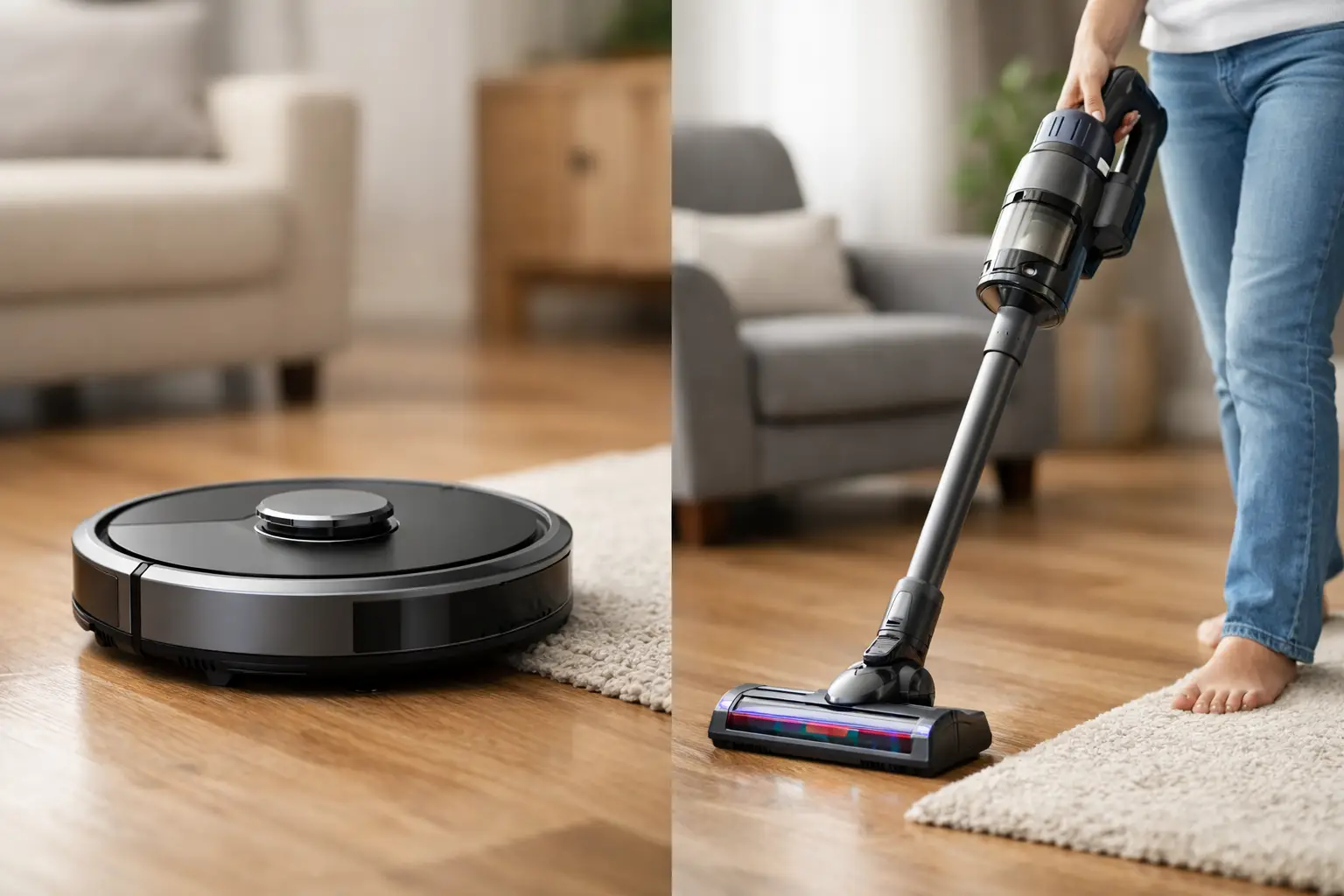
A freshly vacuumed floor changes the feel of a room instantly, but the best way to get there depends on how you live. In the robot vacuum vs cordless vacuum decision, one option quietly handles routine maintenance while the other gives you immediate, hands-on control. The right choice is less about owning the newest gadget and more about creating a home that stays polished without adding friction to your day.
For busy households, pet owners, apartment dwellers, and anyone who appreciates a well-kept space, both can be exceptional additions. Their strengths, however, are distinctly different.
Robot Vacuum vs Cordless Vacuum: The Core Difference
A robot vacuum is designed to clean on its own. It moves through your home using sensors, mapping technology, or a combination of both, collecting dust, crumbs, and pet hair on a set schedule. Premium models can map individual rooms, avoid common obstacles, return to a charging dock, and in some cases empty their own bins.
A cordless vacuum is built for responsive cleaning. It is lightweight, portable, and ready when a spill happens under the dining table or pet hair gathers on the sofa. Rather than working in the background, it gives you the precision to clean stairs, upholstery, corners, cars, and any surface a robot cannot reach well.
That distinction shapes the entire buying decision: a robot vacuum protects your baseline of daily cleanliness, while a cordless vacuum handles the details that make a space feel truly finished.
Where a Robot Vacuum Shines
A robot vacuum earns its place through consistency. Dust is not dramatic until it has accumulated for a week, and a scheduled robot is excellent at preventing that buildup. Running it every day or every other day can keep hard floors, low-pile rugs, and open living areas noticeably fresher with almost no effort from you.
This is especially appealing for homes with shedding pets or active families. Instead of waiting for visible fur tumbleweeds or scattered snack debris, you can let the vacuum make regular passes through high-traffic rooms. Many models allow you to set no-go zones around pet bowls, cables, or delicate furniture, making automated upkeep feel far more tailored than it once did.
Robot vacuums also suit people who value time as much as spotless floors. You can run one while working, preparing dinner, or stepping out for errands. A self-emptying dock raises the convenience further, since it reduces how often you need to handle the dustbin. For a home with mostly hard flooring and a fairly open layout, this can feel like a meaningful lifestyle upgrade rather than another appliance.
Still, automation has limits. Robot vacuums are best at floor maintenance, not every cleaning task. They may miss tight corners, struggle with thick rugs, and need a clear path to perform at their best. Shoes, charging cords, toys, and loose clothing can turn a scheduled clean into an interrupted one, particularly with entry-level models that have less advanced obstacle detection.
Why a Cordless Vacuum Feels So Capable
Cordless vacuums are the answer to the mess you can see right now. A few seconds after flour hits the kitchen floor, a cordless model can be in your hand. That speed matters. It makes cleaning less of a production and more of a natural part of maintaining a beautiful, comfortable home.
Their versatility is the major advantage. With the right attachments, a cordless vacuum can move from hardwood to carpet, then from a sofa cushion to window tracks and the inside of your car. It can tackle stairs with ease, reach beneath furniture with a low-profile head, and clean the edges a robot may leave behind.
For smaller spaces, a cordless vacuum may be all you need. In a studio, condo, or compact home, taking out a full-size vacuum can feel excessive, while a sleek cordless model is easy to grab and store. Many premium options are designed to look refined enough for a utility closet, mudroom, or charging station that is part of your daily environment.
The trade-off is that you are still doing the cleaning. Battery life can also be a deciding factor. High-power modes are excellent for carpets and concentrated pet hair, but they drain a battery more quickly. If you have a large home with wall-to-wall carpeting, check both runtime and whether the model offers a removable battery. A second battery can be practical, but it also adds to the investment.
Cleaning Performance: Which One Gets Floors Cleaner?
For a deliberate, deep clean, the cordless vacuum usually wins. Its motorized brush roll, focused suction, and direct control make it better equipped for carpet fibers, baseboards, corners, and stubborn debris. You can slow down over a high-traffic rug, use a crevice tool beside furniture, and see exactly where extra attention is needed.
For everyday floor upkeep, a robot vacuum can be surprisingly effective. The advantage is frequency. A cordless vacuum might deliver a stronger clean once a week, but a robot that runs five times a week can prevent dirt and pet hair from settling in the first place. On hard floors, that regularity often makes a bigger visual difference than occasional intensive cleaning.
Carpet changes the equation. Low-pile rugs and carpets are manageable for many robot vacuums, especially models with strong suction and carpet detection. Thick, plush carpeting or deeply embedded hair calls for the power and agitation of a quality cordless vacuum. If your home includes several types of flooring, a robot can handle daily passes while a cordless model takes care of the weekly reset.
Layout, Lifestyle, and Storage Matter
Your floor plan should influence your choice. Robot vacuums work best in homes with open pathways, minimal clutter, and furniture with enough clearance underneath. Multi-level homes can still benefit, but the vacuum must be carried between floors unless you buy separate units. It also cannot clean stairs, which is an immediate limitation for many households.
A cordless vacuum adapts to nearly any layout. It is more practical for homes with multiple levels, narrow hallways, lots of furniture, or a mix of floor surfaces. It is also the smarter single-tool choice if upholstery, vehicle interiors, and stairs are regular parts of your cleaning routine.
Storage deserves consideration as well. A robot vacuum needs a dedicated location for its dock with a clear area around it. A self-emptying station takes up more room, though its added convenience is compelling. Cordless vacuums often mount on a wall or stand upright in a compact charging dock, making them an elegant fit for smaller homes.
Upkeep Is Part of the Premium Experience
Neither option is entirely hands-free. A robot vacuum needs its brushes, filters, sensors, and wheels checked regularly. Hair can wrap around the brush roll, and its bin needs emptying unless it has an auto-empty dock. Mopping robot models add another layer of care, including water tanks and washable pads.
Cordless vacuums require filter cleaning, bin emptying, and occasional brush-roll maintenance. The routine is generally simple, but it happens more often because you are using the vacuum directly. If you dislike handling dust, look for a model with a hygienic emptying mechanism and easy-to-wash components.
For either appliance, replace filters and worn parts as recommended. Good maintenance protects suction performance and helps a premium purchase feel worthwhile for years rather than seasons.
Should You Buy One or Both?
If you want to choose only one, start with the problem you want solved. Select a robot vacuum if your priority is keeping hard floors and open rooms consistently tidy with minimal involvement. It is a smart match for busy schedules, pet hair, and anyone who enjoys returning to a home that already looks cared for.
Choose a cordless vacuum if you want one versatile tool for floors, furniture, stairs, quick spills, and more intensive cleaning. It is typically the better choice for compact spaces, carpet-heavy homes, and households where manual precision matters.
For many homes, the most elevated solution is owning both. The robot handles the invisible work of daily maintenance, while the cordless vacuum is ready for detail work and deeper cleans. Together, they create a rhythm that is efficient, refined, and realistic.
A thoughtfully chosen vacuum should not make you think more about cleaning. It should give you more freedom to enjoy the home you have worked hard to create. Consider your floor types, storage space, daily routine, and tolerance for upkeep, then choose the tool that makes a polished home feel easier to maintain.













Leave a comment