
Premium Lifestyle Brands for Home Decor
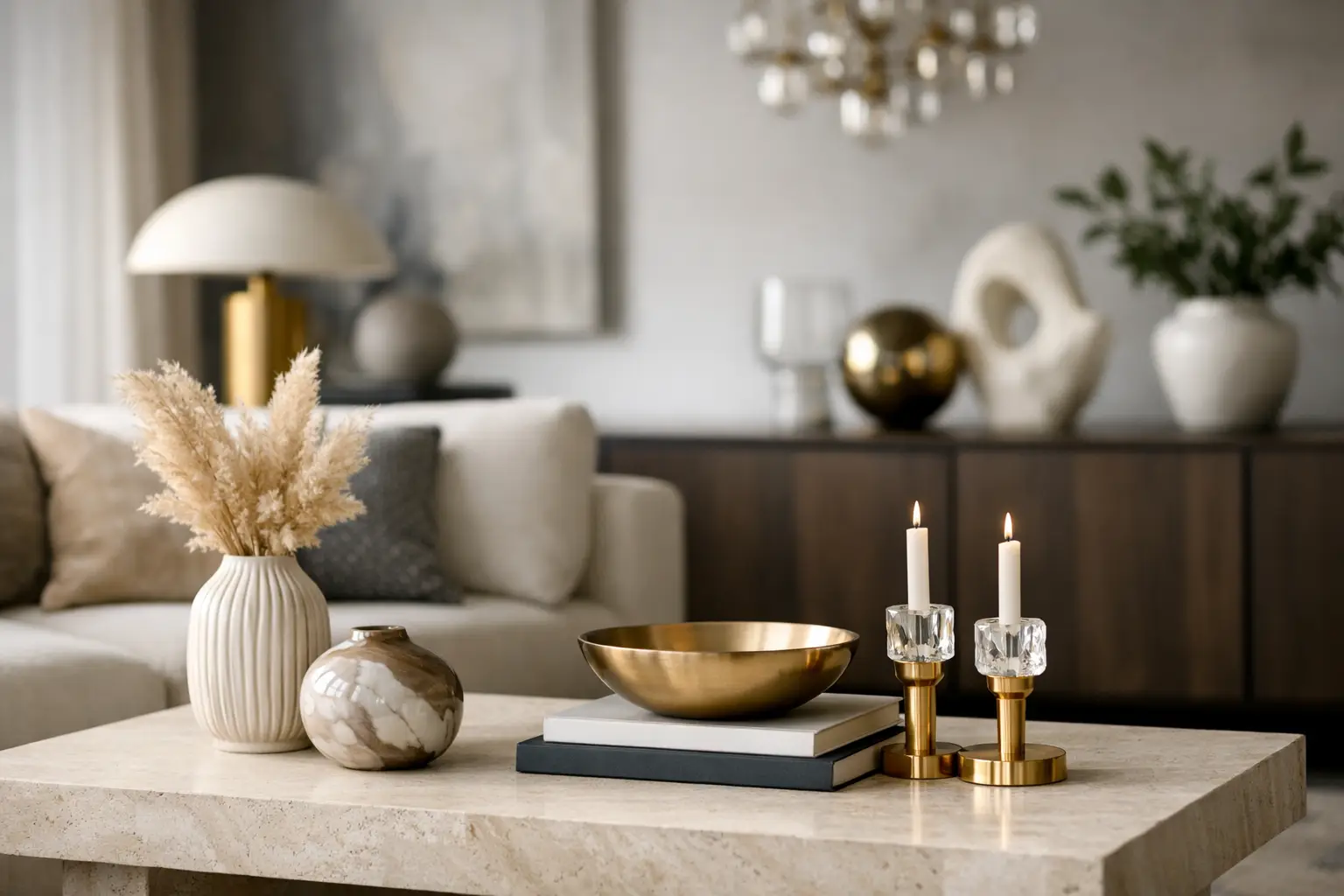
A beautiful room usually gives itself away in the details. Not the obvious ones, like a large sofa or a dramatic light fixture, but the quieter signals – the weight of a tray, the texture of a throw, the finish on a table lamp, the way a space feels edited rather than merely filled. That is why premium lifestyle brands for home decor continue to hold so much appeal. They are not just selling objects. They are selling a point of view about how home should look, feel, and function.
For shoppers who want elevated living without wasting money on pieces that disappoint after one season, the real question is not whether premium decor is worth considering. It is how to recognize the brands and products that genuinely deliver on quality, longevity, and style.
What premium lifestyle brands for home decor actually offer
The phrase gets used loosely, and that can make smart shopping harder. A premium brand is not simply one with high prices or glossy imagery. The stronger brands tend to combine a few things consistently: better materials, more considered design, tighter quality control, and a clear aesthetic identity.
That identity matters more than people think. When a brand has a recognizable design language, shopping becomes easier because you are not buying random items that compete with each other. You are building a home with a more cohesive visual rhythm. That might mean warm minimalism, tailored modern, quiet luxury, organic texture, or a more classic polished look. The best premium decor brands know exactly where they sit and make it easier for customers to style with confidence.
There is also a practical layer. Premium home decor often performs better in daily life. A well-made accent chair keeps its shape. A denser rug feels better underfoot and wears more gracefully. Better finishes on hardware, mirrors, and lighting tend to age with less visual fatigue. Not every expensive item lives up to that promise, of course, but the stronger brands usually show their value over time rather than only on arrival day.
The difference between premium and overpriced
This is where many shoppers get cautious, and fairly so. Premium does not automatically mean smart. Some brands invest heavily in marketing and presentation while the actual product quality lands somewhere in the middle. Others may offer beautiful craftsmanship but price themselves beyond what makes sense for the average home refresh.
A better approach is to look for evidence of value, not just signals of status. Materials are a good starting point. Solid wood, natural stone, full-grain leather, substantial glass, and high-performance fabrics often justify a higher spend more than trend-driven finishes that look luxurious from a distance but feel lightweight up close.
Scale and construction matter too. Decorative objects can be premium because of artistry and finish, but for furniture, durability becomes harder to ignore. Joinery, cushion fill, upholstery quality, and weight all tell a clearer story than branding alone. If a piece is meant to anchor a room for years, premium should mean more than photogenic.
How to shop premium without making your home feel overdesigned
One of the most common mistakes in elevated interiors is overcommitting to one look. A room full of statement pieces from the same design language can feel flat, even if every item is attractive on its own. Premium spaces usually work because they balance polish with restraint.
That balance often starts with foundational pieces. Spend more where your home gets daily use and where poor quality becomes obvious fast – seating, rugs, lighting, dining chairs, and core bedroom furniture. These pieces carry the room visually and physically. If they feel substantial, the entire space tends to feel more expensive.
Then layer in more flexible decor with intention. A sculptural vase, a textured pillow, a framed print, or a decorative bowl can shift the mood of a room without requiring a major investment. This is where mixing price points works beautifully. A premium room does not need to be made entirely of premium purchases. It needs to look collected, not careless.
For many shoppers, that is the sweet spot. Invest in the pieces that shape the experience of the room, and be more selective with trend-sensitive accents. It is a smarter formula than trying to buy every item at the highest tier.
Which categories deserve a premium spend
Not every home decor purchase earns the same return. Some categories justify higher pricing because they affect comfort, longevity, and visual impact all at once.
Lighting is a strong example. Premium lighting changes more than brightness. It changes mood, depth, and perceived finish across a room. A well-designed floor lamp or pendant can make surrounding furniture look better, while a poorly proportioned fixture can cheapen even a beautifully styled space.
Textiles are another category where quality is easy to feel. Better throws, bedding, curtains, and rugs bring warmth and refinement that lower-end versions often struggle to replicate. The difference shows up in drape, softness, color richness, and durability. If your goal is a home that feels inviting rather than staged, textiles deserve attention.
Decorative accessories can go either way. Premium accents are most worthwhile when they introduce craftsmanship, tactile richness, or sculptural presence. If an accessory is purely filling a shelf, the premium markup may not be necessary. If it adds a distinct layer of sophistication, it can earn its place quickly.
A more realistic way to evaluate premium home decor brands
It helps to think in terms of lifestyle fit, not just aesthetic admiration. A brand may be gorgeous and still be wrong for your home. Households with kids, pets, frequent guests, or smaller rooms often need premium pieces that are forgiving, versatile, and easy to maintain. A highly delicate fabric or oversized statement item may look incredible in a styled image and become frustrating in real life.
This is where the best premium lifestyle brands for home decor separate themselves. They understand that elevated living is not about museum-like perfection. It is about pieces that feel refined while supporting the way people actually live. Performance fabrics, smarter storage, rounded silhouettes for tighter floor plans, washable materials, and flexible styling all matter.
For apartment dwellers, premium may mean compact design with a custom look. For families, it may mean durable surfaces that still feel sophisticated. For design-led shoppers, it may mean a signature piece that gives the whole room its personality. Premium is not one-size-fits-all. It depends on how your home works.
The role of curation in a premium home
One reason shoppers gravitate toward elevated marketplaces and lifestyle-driven retailers is simple: curation saves time. A broad selection is useful, but only if it feels edited. When premium decor is presented through a strong point of view, shoppers can move faster and make better decisions.
That matters in a market crowded with lookalike products. A curated assortment helps separate timeless from trendy and quality from imitation. It also makes mixing categories easier. Home decor rarely stands alone. The same customer updating a living room may also be shopping for kitchen accents, wellness tools, outdoor upgrades, or smart home additions. A lifestyle retailer with premium standards across categories can create a more complete vision of home.
That is part of what makes a platform like Bluurban appealing to modern shoppers. The experience is less about chasing one item and more about discovering pieces that fit a broader aspiration – a home that feels polished, functional, and current without becoming inaccessible.
How to create a premium look even on a mixed budget
A premium home is usually less about spending at the highest level and more about editing with discipline. Start by choosing a material story. Maybe that is oak, linen, matte black metal, and warm ceramics. Maybe it is marble, glass, boucle, and brushed brass. Repeating a few finishes creates continuity and makes the room feel intentional.
Next, pay attention to proportion. Premium rooms often feel calm because everything is scaled correctly. Art is large enough for the wall. Rugs extend far enough under furniture. Lamps have presence. Pillows are full rather than flat. These decisions can make a bigger difference than buying the most expensive version of every item.
Finally, leave space. Luxury is rarely cluttered. A console does not need six decorative objects to feel styled. A bed does not need ten pillows to feel complete. Restraint lets better pieces stand out, and it gives your home the composed, confident feel that premium brands are always trying to capture.
A well-designed home should not feel like a showroom you are afraid to touch. It should feel like your life, refined. Shop for quality where it counts, mix with intention, and let every room earn its elegance over time.









Leave a comment