
How to Build a Luxury Capsule Wardrobe
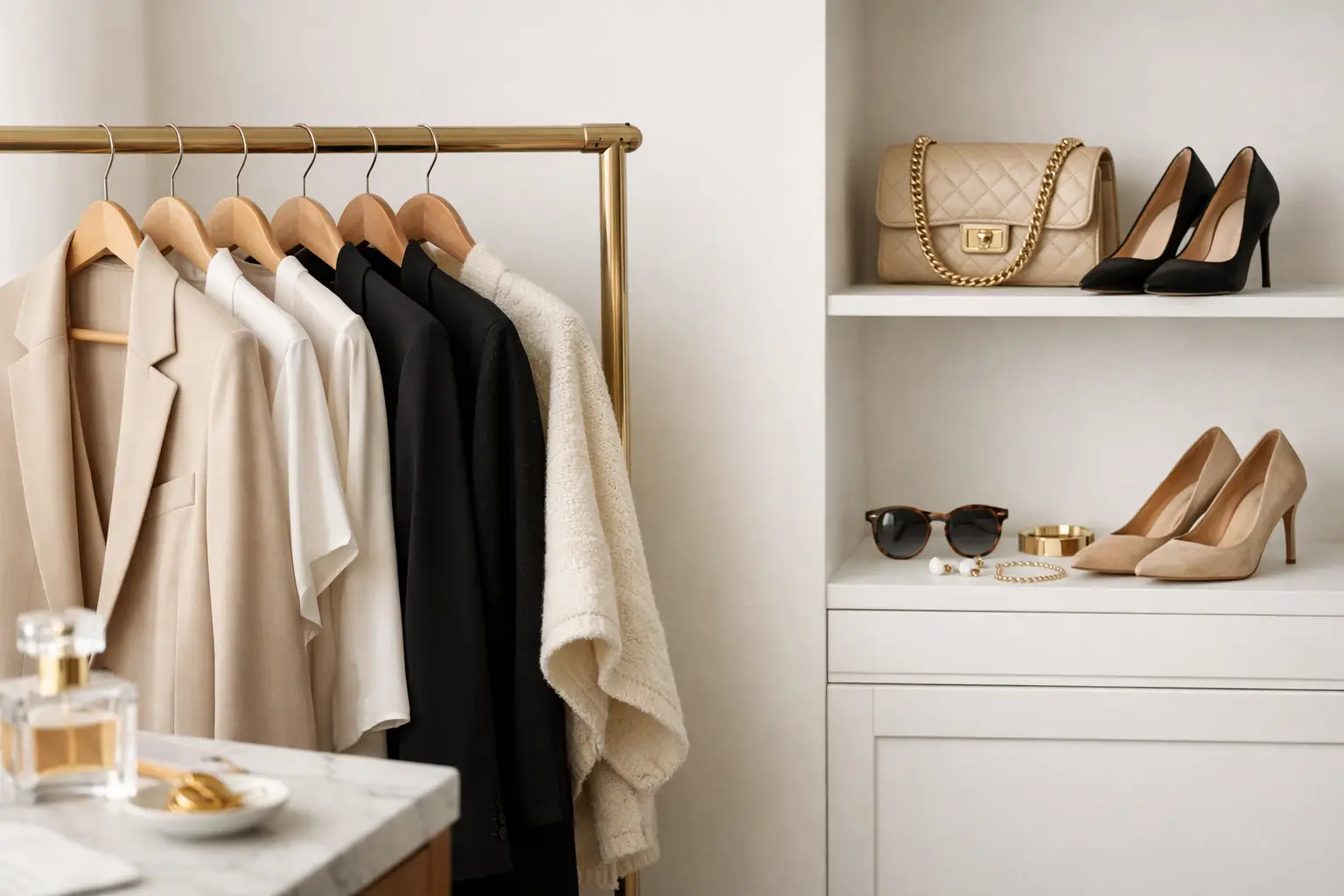
That overstuffed closet with nothing to wear problem usually is not about quantity. It is about friction. Too many pieces compete for attention, too few work together, and getting dressed starts to feel less like style and more like sorting. If you are wondering how to build a luxury capsule wardrobe, the goal is not owning less for the sake of it. The goal is owning better, choosing with intention, and creating a wardrobe that looks polished on an ordinary Tuesday as easily as it does at dinner.
A luxury capsule wardrobe sits at the intersection of restraint and refinement. It is edited, but never boring. Practical, but still aspirational. And unlike trend-heavy shopping, it rewards consistency – better fabrics, stronger silhouettes, smarter combinations, and fewer purchases that end up forgotten after one season.
What makes a capsule wardrobe feel luxurious?
Luxury is not just about price. In a well-built capsule, it comes from three things: material quality, fit, and visual cohesion. A crisp cotton shirt in the right cut can look more elevated than a designer top that never sits correctly. The same goes for trousers that skim the body cleanly, knitwear that holds its shape, or a coat with beautiful structure and lining.
The difference is often subtle, which is why it reads expensive. Instead of loud statements, a luxury capsule relies on pieces that hold up under repeat wear. Think smooth leather, dense knits, real drape, clean hems, and hardware that does not look decorative for the sake of it. The overall effect should feel considered rather than crowded.
This is also where value-conscious shopping matters. Building a wardrobe with a premium look does not require buying every item at the highest price point. It requires knowing where quality counts most. Outerwear, shoes, bags, and tailoring usually earn the investment. Trend-driven tops or occasional pieces can be more flexible.
How to build a luxury capsule wardrobe from the ground up
The fastest way to waste money is to buy your ideal wardrobe for someone else’s life. Before you shop, look at your actual week. If you work from home, a closet full of structured blazers may photograph well but underperform in real life. If you attend meetings, travel often, or have frequent social plans, your wardrobe needs to carry those demands without feeling repetitive.
Start by identifying your core style settings. Most wardrobes need some version of daywear, evening-ready options, outerwear, footwear, and accessories. The mix depends on your routine. A luxury capsule for a city professional will look different from one built for a creative freelancer or a parent balancing polished basics with easy movement.
Next, choose a tight color foundation. This is where many wardrobes either become effortlessly chic or quietly chaotic. Neutrals do the heavy lifting because they multiply your outfit options. Black, ivory, camel, navy, chocolate, gray, and crisp white are the usual anchors. From there, add one or two accent colors if they genuinely suit you. Burgundy, forest green, powder blue, or soft blush can add personality without disrupting the wardrobe’s flow.
Then focus on silhouette. Luxury style often looks expensive because the shapes are stable and flattering. Wide-leg trousers, a straight-leg jean, a softly tailored blazer, a fluid midi skirt, a clean sheath dress, or a fine-gauge knit all bring structure without trying too hard. If a piece only works with one exact shoe and one exact bag, it probably does not belong in a capsule.
The pieces worth prioritizing
A luxury capsule wardrobe does not need to be large, but it does need range. For most people, that means a strong foundation of essentials that can move across work, weekends, dinners, and travel.
Your top layer should include at least one exceptional coat or jacket. Depending on climate, this might be a wool coat, a trench, a leather jacket, or a sharply cut blazer. This piece sets the tone before anyone sees the rest of the outfit.
For tops, quality basics matter more than trend pieces. A white button-down, a silk or silk-look blouse, a fine knit sweater, a fitted tee in a substantial fabric, and a sleeveless shell can cover most styling situations. The point is not variety for its own sake. It is building a rotation of pieces that layer well and never feel flimsy.
On the bottom, aim for balance. Tailored trousers, dark denim, one relaxed but polished pant, and a skirt that works with flats and heels will give you flexibility. If dresses suit your lifestyle, a knit dress and one more structured dress can carry a surprising amount of wardrobe weight.
Shoes change the entire mood of a capsule. A sleek loafer, a clean sneaker, an elegant ankle boot, and a refined heel or evening flat are often enough. In luxury dressing, footwear should support the line of the outfit rather than compete with it.
Accessories deserve more attention than they usually get. A beautiful leather bag, a belt with understated hardware, classic sunglasses, and simple jewelry can make familiar outfits feel fresh. If your clothing is edited, accessories become the detail that keeps the wardrobe expressive.
Fabric is where the wardrobe earns its keep
If you want your closet to feel elevated, learn to shop by fabric before brand. Natural fibers and high-quality blends generally wear better, breathe better, and age more gracefully. Wool, cashmere, cotton poplin, silk, linen, and good denim tend to signal quality even in simple designs.
That does not mean every synthetic is a mistake. Performance fabrics can be useful, and some blends improve durability. But if a piece feels static-heavy, thin, shiny in the wrong way, or rough at first touch, it is unlikely to become more luxurious with time.
Pay attention to how the fabric behaves. Does it drape cleanly? Does it wrinkle instantly? Does it cling where it should skim? Luxury is often a tactile experience first and a visual one second.
Fit matters more than labels
A premium wardrobe can fall flat if fit is ignored. This is one of the clearest trade-offs in luxury shopping. Some shoppers spend heavily on brand names but skip tailoring. Others buy a well-made mid-range piece, alter it properly, and end up with a far more expensive-looking result.
Shoulders, waist placement, sleeve length, trouser break, and hemline all matter. Even small adjustments can transform a piece from acceptable to polished. If you are building slowly, reserve part of your budget for alterations. It is one of the smartest ways to create a bespoke feel without committing to a fully designer closet.
Build slowly and buy strategically
The best capsule wardrobes are not assembled in one weekend. They are refined over time. Start with the categories you wear most, then upgrade the weakest links. Maybe your coats are strong but your shoes feel dated. Maybe your basics are solid but your bags undermine the look. Improvement should be targeted, not impulsive.
This is also where cost per wear becomes useful. A premium cashmere sweater worn twice a week through fall and winter may be a better investment than three lower-quality alternatives that pill quickly. At the same time, not every item deserves a luxury budget. It depends on frequency, visibility, and the role the piece plays in your wardrobe.
A smart approach is to splurge on anchors and save on fillers. Anchors are the pieces that define your style repeatedly – coats, handbags, shoes, tailoring. Fillers are the layering pieces and seasonal updates that support the look without carrying it.
For shoppers who want both elevated style and broad discovery, retailers like Bluurban appeal because they frame everyday essentials through a more premium lens. That mindset is exactly what a strong capsule requires: fewer random purchases, more curated choices.
How to keep a luxury capsule from feeling repetitive
One concern comes up often: if I own fewer pieces, will I look the same all the time? Only if the wardrobe lacks dimension. Repetition is not the problem. Predictability is.
Texture, layering, and accessories keep a capsule dynamic. The same trousers can read differently with a fine knit, a silk blouse, or a structured vest. A belt can sharpen a dress. A camel coat can soften an all-black outfit. Gold jewelry warms navy and cream. When the pieces are well chosen, small shifts create a noticeably different effect.
This is also why a luxury capsule benefits from subtle contrast. Combine matte and shine, soft and structured, fitted and fluid. A wardrobe built entirely from one note can feel flat, even if every item is expensive.
Editing is part of the luxury
A true capsule wardrobe is not finished when you buy the right pieces. It is maintained by what you refuse to keep. If an item wrinkles badly, pinches, sheds, dates the outfit, or never quite earns its place, let it go. Luxury style depends on clarity.
That means storing pieces properly, repairing them when needed, and revisiting the wardrobe each season. A capsule is not rigid. It evolves with your schedule, climate, and taste. The difference is that each new addition should solve a real need or bring genuine beauty to the mix.
If you build with patience, your wardrobe begins to work like a private collection rather than a holding area for impulse buys. Getting dressed becomes easier, the outfits feel more assured, and your closet starts reflecting the standard you actually want to live with. That is the real appeal of luxury – not excess, but excellence you can reach for every day.








Leave a comment