
12 Luxury Designers Ranked by Style
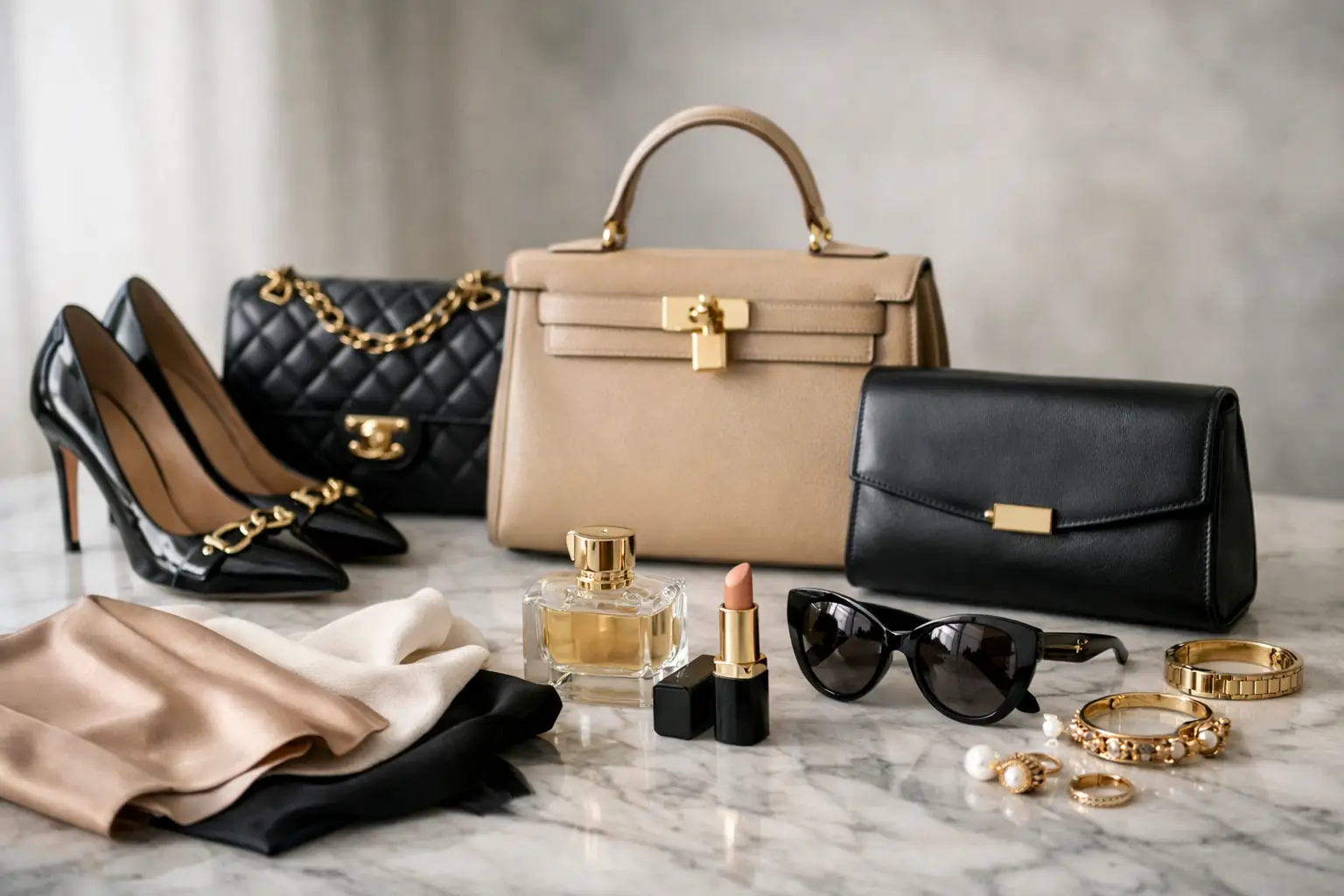
The difference between a logo and a point of view becomes obvious the moment you compare the best luxury houses side by side. That is why luxury designers ranked by style is a more useful lens than ranking them by hype, price, or resale value alone. Style tells you what a brand actually brings to your wardrobe – polish, drama, restraint, edge, romance, or a kind of modern ease that keeps earning its place.
For anyone building a sharper closet, shopping more intentionally, or simply trying to understand why one designer always feels right while another never does, a style-first ranking cuts through the noise. This list is not about who is richest, loudest, or most visible on social media. It is about aesthetic identity, consistency, and how clearly each house delivers a distinctive fashion language.
Luxury designers ranked by style: what matters most
Style is personal, but designer style is also strategic. The strongest houses do more than create beautiful clothes. They shape a recognizable mood season after season, while still evolving enough to stay relevant. A useful ranking looks at visual signature, wearability, craftsmanship, influence, and how well a brand translates from runway fantasy into real-life dressing.
That balance matters. Some labels are brilliant at theatrical fashion but less versatile for everyday wardrobes. Others master essentials so well that they can look understated next to more flamboyant competitors, even when the design quality is exceptional. In luxury, the best fit depends on whether you want statement value, timeless investment, or a wardrobe that quietly communicates taste.
The ranking
1. Saint Laurent
Saint Laurent sits at the top because few houses express attitude with this much precision. The look is sharp, lean, nocturnal, and unmistakably confident. Think immaculate tailoring, narrow silhouettes, strong shoulders, black leather, silk blouses, and a kind of Paris-meets-rock-and-roll cool that rarely feels forced.
What makes Saint Laurent so compelling is consistency. Even when collections shift, the core identity stays intact. If your ideal wardrobe is polished but carries edge, this house remains one of the clearest style leaders in luxury fashion.
2. The Row
The Row represents quiet luxury at its highest level. Its style is reduced, architectural, and deeply considered, with an emphasis on proportion, fabric, and restraint. Nothing is loud, but almost everything feels elevated.
This is the designer for people who want their clothing to whisper quality instead of announce it. The trade-off is obvious: if you want visual drama or trend-forward energy, The Row can feel too controlled. But for refined modern dressing, it is one of the strongest style houses in the market.
3. Chanel
Chanel continues to define polished femininity with unusual staying power. Tweed jackets, quilted bags, camellias, pearls, and black-and-cream contrast are all part of the signature, but the real strength lies in how Chanel balances heritage with wearability.
Its style is elegant, recognizable, and socially fluent. You can wear Chanel to a formal dinner, a business lunch, or a fashion event and still look appropriately styled. At times, that familiarity can work against it if you prefer something less iconic, but as a benchmark of sophisticated dressing, Chanel remains essential.
4. Bottega Veneta
Bottega Veneta has become one of the most influential houses for modern luxury minimalism with character. Its style language is clean but not plain, sculptural but still tactile. The intrecciato weave, rich leather work, and directional accessories give the brand a strong design identity without leaning on obvious logos.
This is luxury for shoppers who appreciate subtle distinction. Bottega often feels contemporary in a way that can make more heritage-heavy houses seem conservative. The downside is that some seasonal pieces can be highly trend-sensitive, so not every item lands as a forever investment.
5. Dior
Dior excels at refined glamour. The silhouette often returns to structure at the waist, graceful tailoring, and an elegant femininity that feels dressed up without becoming overly precious. Bags, shoes, and ready-to-wear all carry a sense of ceremony.
Dior ranks highly because it understands aspiration. It sells a complete image of luxury that feels polished, feminine, and occasion-ready. If your style leans relaxed or downtown, Dior may feel too formal. But for elevated dressing with a couture-adjacent finish, few houses do it better.
6. Celine
Celine has a gift for making minimalism feel cool rather than safe. Depending on the creative era, the brand can skew sharply tailored, youthfully slim, or quietly bourgeois, but the common thread is a clear, edited sensibility.
Celine is especially strong for shoppers who want clean lines with fashion credibility. It often appeals to people who like timeless pieces but do not want to look generic. The challenge is that the brand’s identity has shifted more dramatically over time than some competitors, so your connection may depend on which version of Celine speaks to you.
7. Prada
Prada earns its place because it understands intelligent style. The aesthetic often blends severity, irony, vintage references, and unexpected combinations that should not work but somehow do. It can feel academic, slightly offbeat, and very fashion literate.
Prada is not always the easiest brand to wear, and that is part of its appeal. It rewards confidence and personal styling. If you want instant classic glamour, other houses may serve you better. If you want fashion with a point of view, Prada remains one of the most interesting names in luxury.
8. Gucci
Gucci at its best is lush, expressive, and unapologetically maximalist. Rich color, embellishment, archival references, loafers, horsebit details, and a strong mix of old-world luxury with modern eccentricity define the house.
For some wardrobes, Gucci is a dream. For others, it is simply too much. That tension is exactly why it lands in the middle of the list rather than the top. Its style is memorable and influential, but less universally adaptable than the designers ranked above it.
9. Loewe
Loewe has become a standout for artistic luxury. The brand brings together craftsmanship, conceptual design, and an almost playful approach to shape and texture. Its bags are especially strong, but the ready-to-wear also carries a distinctive intellectual ease.
Loewe is ideal if you want something creative without going fully theatrical. It feels cultured, modern, and slightly unexpected. The only reason it does not rank higher is accessibility of style. Some pieces are collector-worthy, but not every shopper wants fashion that asks for interpretation.
10. Valentino
Valentino offers romance with polish. The house is known for dramatic gowns, rich color, refined embellishment, and a feminine elegance that often leans formal. Even its more contemporary pieces tend to retain a sense of occasion.
That makes Valentino highly desirable, but somewhat situational. If your lifestyle includes events, dinners, weddings, and statement dressing, it can be a perfect match. If you are building an everyday luxury wardrobe, the brand may feel less flexible than cleaner, more streamlined competitors.
11. Balenciaga
Balenciaga’s style impact is impossible to ignore. Oversized shapes, exaggerated proportions, streetwear influence, and a deliberately disruptive attitude have made it one of the most recognizable brands of the last decade.
Still, influence and style compatibility are not the same thing. Balenciaga is powerful for shoppers who want fashion that feels confrontational, directional, and culturally plugged in. But it is also one of the most polarizing houses in luxury, with less timeless range than many others on this list.
12. Versace
Versace remains the shorthand for bold glamour. Body-conscious silhouettes, vivid prints, metallic accents, and a high-voltage sense of confidence are central to the brand. When it works, it delivers instant impact.
But style this specific naturally has limits. Versace is thrilling for statement moments, vacation dressing, nightlife, and anyone who likes fashion turned all the way up. It ranks lower not because it lacks identity, but because that identity is narrower and harder to integrate across a full wardrobe.
How to read luxury designers ranked by style for your own wardrobe
A ranking only helps if you know what you are shopping for. If your goal is long-term versatility, houses like The Row, Chanel, Bottega Veneta, and Celine tend to offer stronger wardrobe foundations. If you want emotional impact and memorable dressing, Saint Laurent, Dior, Gucci, and Valentino may feel more satisfying.
It also depends on where designer fashion lives in your life. A shopper building a polished work wardrobe will rank these houses differently than someone focused on special events, travel style, or social dressing. The smartest approach is not to chase the highest-ranked name. It is to identify which house already aligns with how you want to look and live.
Which luxury designer style is worth investing in?
If you buy rarely and want maximum wear, prioritize clear signatures that do not age quickly. That often means tailored outerwear, structured bags, refined shoes, and pieces with excellent materials but less trend exposure. In that sense, quiet confidence usually beats novelty.
If you shop for excitement, then investment means something else. A statement Gucci bag, a sharp Saint Laurent jacket, or a dramatic Dior heel can transform an otherwise simple wardrobe. Style value is not only about cost per wear. Sometimes it is about how much identity a single piece adds.
For a premium lifestyle shopper, the sweet spot often sits between the two. Build around timeless foundations, then add one or two designers with stronger personality. That is usually where luxury feels most modern – curated, expressive, and intentional rather than crowded.
The best designer is not the one with the loudest name. It is the one whose style still looks like you, only sharper, more elevated, and more complete.








Leave a comment