
Top Luxury Fashion Designers Guide
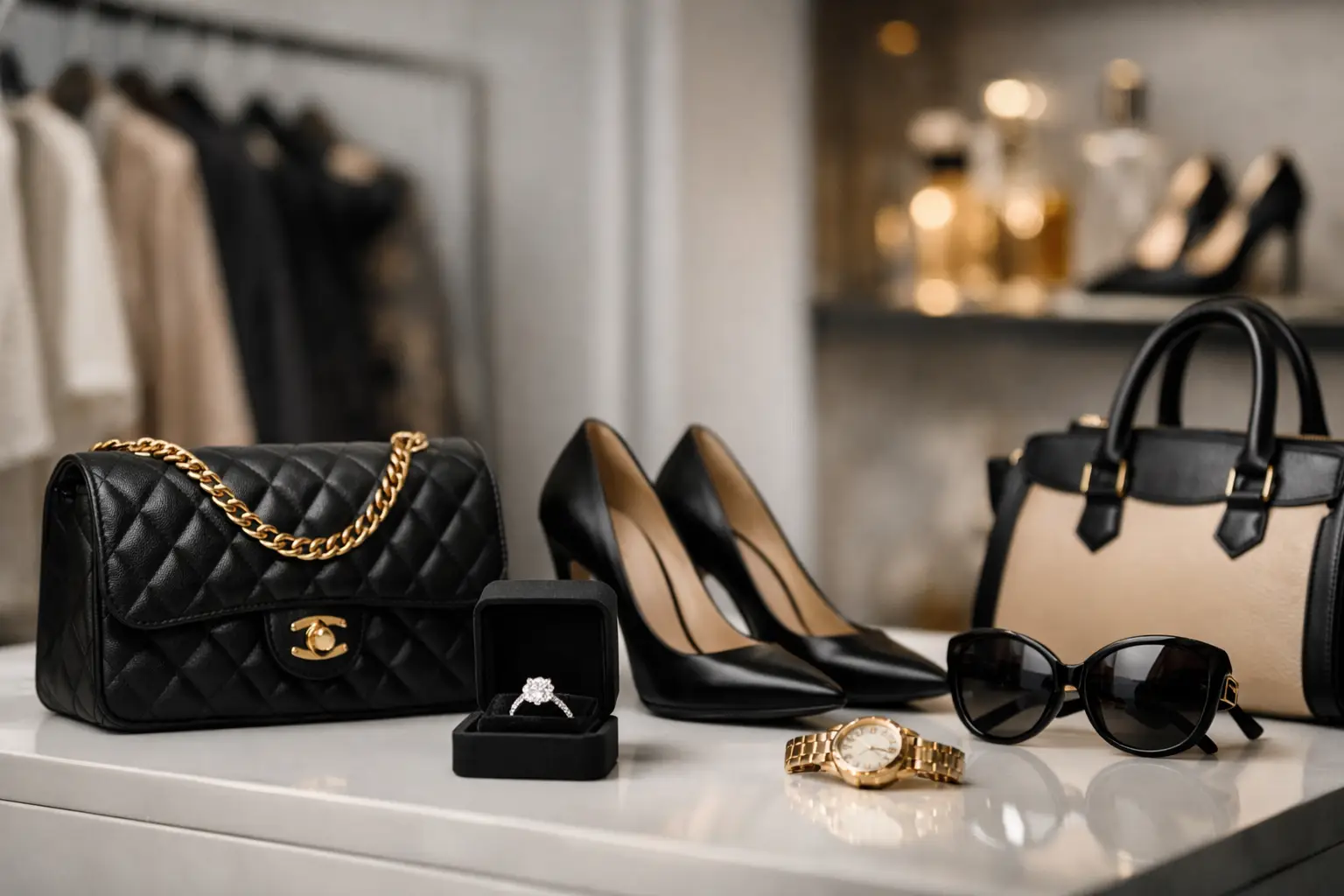
Luxury fashion is rarely just about a logo. The best pieces change how an outfit feels the moment you put them on – the drape of a blazer, the precision of a bag handle, the way a shoe finishes a look without trying too hard. That is why a top luxury fashion designers guide matters. It helps you separate heritage from hype, trend from staying power, and statement purchases from smart ones.
For style-minded shoppers, knowing the right designers is less about memorizing names and more about understanding what each house does exceptionally well. Some define modern tailoring. Others own leather goods, eveningwear, or directional street luxury. When you know those distinctions, shopping becomes sharper, more personal, and far more satisfying.
How to use this top luxury fashion designers guide
The smartest way to approach luxury fashion is to think in categories, not just prestige. A designer may be globally famous yet still not be the right match for your wardrobe, budget, or lifestyle. If you want polished workwear, one brand will make more sense than a house known for theatrical runway pieces. If you carry one bag every day, craftsmanship and durability should matter more than seasonal buzz.
Luxury also has tiers. There is ultra-exclusive fashion that lives closest to art, heritage brands with broad recognition and strong resale visibility, and modern luxury labels that feel current, collectible, and easier to wear day to day. None of these tiers is automatically better. It depends on whether you are buying for occasion dressing, long-term wardrobe building, or a single signature piece.
The designers that define luxury fashion
Chanel
Chanel remains one of the clearest expressions of classic luxury. The house is known for tweed jackets, quilted handbags, refined costume jewelry, and a polished Parisian attitude that still resonates in American wardrobes. Chanel works best for shoppers who want elegance with recognizable heritage.
The trade-off is price and accessibility. Chanel is among the most expensive entry points in luxury accessories, and many pieces are purchased as much for status as for design. Still, if your style leans timeless and feminine, few brands hold their place in the market as firmly.
Louis Vuitton
Louis Vuitton sits at the intersection of travel heritage, leather goods, and mainstream prestige. It has one of the strongest recognizability factors in luxury fashion, especially in handbags, luggage, and accessories. For many buyers, it is the first designer brand that feels both aspirational and practical.
That broad visibility can be either a strength or a drawback. If you want instant recognition, Vuitton delivers. If you prefer subtle luxury, some collections may feel too obvious. The best approach is to look beyond the most heavily branded pieces and focus on shape, leather, and long-term wearability.
Hermès
Hermès represents quiet confidence at the highest level. The brand is celebrated for leather craftsmanship, scarves, equestrian heritage, and an understated idea of wealth that does not need to announce itself. Its most famous bags carry intense demand, but the real story is consistency of materials and finish.
Hermès is not ideal for impulse shopping. Access can be limited, pricing is steep, and the brand rewards patience. For buyers who care about exceptional construction and lasting relevance, though, it remains one of the strongest names in the category.
Dior
Dior balances femininity, structure, and fashion authority. The house has a powerful grip on occasion dressing, polished handbags, tailored outerwear, and beauty-adjacent glamour. It appeals to shoppers who want luxury that feels elevated yet not overly severe.
Dior can lean trend-sensitive depending on the collection, which is not necessarily a negative. It simply means some pieces feel especially tied to a fashion moment, while others have more staying power. If you are shopping Dior, the most reliable investments are often in tailoring, bags, and refined accessories.
Gucci
Gucci has mastered fashion drama with commercial appeal. Across different creative eras, it has stood for bold accessories, statement loafers, strong handbag identity, and a willingness to push visual codes further than many heritage houses. For shoppers who want personality, Gucci often delivers faster than more restrained brands.
The trade-off is volatility. A very recognizable Gucci piece can feel thrilling at purchase and less versatile a few seasons later. If you like fashion with a point of view, that may be exactly the appeal. If you want timeless minimalism, another house may suit you better.
Prada
Prada is for shoppers who appreciate intelligence in design. The brand often feels clean, sharp, and a little offbeat in the best way. It excels in nylon, sleek handbags, modern shoes, and clothing that looks restrained until you notice the cut, fabrication, and styling.
Prada is especially strong for people who want luxury without obvious excess. It tends to attract buyers who value design language more than loud branding. That makes it versatile, though some shoppers may find it less immediately romantic than houses like Dior or Chanel.
Saint Laurent
Saint Laurent owns a specific mood – sleek, urban, and slightly rebellious. Think sharp blazers, slim silhouettes, dark palettes, and evening pieces that look powerful rather than precious. It is one of the strongest labels for people building a fashion-forward wardrobe with edge.
This is not the softest kind of luxury. If your style is relaxed, romantic, or highly casual, Saint Laurent may feel too directional. But if you want your wardrobe to look expensive with minimal effort, it is one of the most useful brands to study.
Bottega Veneta
Bottega Veneta has become a benchmark for modern quiet luxury. Its woven leather, sculptural bags, and elevated ready-to-wear appeal to shoppers who want craftsmanship without heavy logo dependence. The brand feels current, but often in a way that still reads sophisticated.
Because Bottega has had very trend-driven waves, some pieces are more era-specific than others. The safest buys tend to be leather goods in enduring shapes and neutral tones. Those give you the brand’s texture and quality without locking you into a short fashion cycle.
What each designer does best
A useful top luxury fashion designers guide should make shopping easier, not just more glamorous. Chanel and Dior are especially strong for polished femininity. Hermès and Bottega Veneta stand out for leather craftsmanship and subtle prestige. Louis Vuitton dominates in travel-adjacent accessories and broad brand recognition. Prada and Saint Laurent are ideal if you prefer a cleaner, sharper, more modern wardrobe. Gucci is the choice when you want fashion to feel expressive and unmistakable.
That is why there is no single best designer, only the right fit for how you dress. If your wardrobe revolves around denim, coats, loafers, and one great bag, your priorities should be different from someone shopping for event dressing or collector pieces.
How to shop luxury fashion without regretting it
Start with usage. The cost of luxury feels very different when a piece becomes part of your weekly rotation instead of sitting in a dust bag. A beautifully made tote, tailored blazer, or versatile heel often delivers more value than an eye-catching item you wear twice a year.
Next, pay attention to materials and construction. In luxury, the biggest difference is often not what people notice from across the room, but what you notice after six months of ownership. Stitching, hardware weight, lining, leather finish, and shape retention matter. A premium presentation means little if the item does not wear well.
It also helps to think about logo visibility honestly. Some shoppers love recognizable branding because it gives a purchase emotional payoff. Others get tired of it quickly. Neither instinct is wrong, but knowing your preference upfront can save you from expensive second thoughts.
Seasonality matters too. A trendy runway bag can feel thrilling, and sometimes that is reason enough. But if you are building a long-term wardrobe, anchor your spending in pieces with proven relevance. Save the more fashion-driven purchases for moments when you want excitement, not foundation.
Luxury today is broader than old rules suggest
One of the biggest shifts in fashion is that luxury no longer lives in a single aesthetic lane. It can be quiet and minimal, bold and logo-led, heritage-driven, or sharply contemporary. The modern shopper is mixing designer bags with premium basics, tailoring with sneakers, and investment pieces with value-smart finds that still look elevated.
That is a healthy shift. It makes luxury feel less like gatekeeping and more like curation. A refined wardrobe is not built by buying the most expensive item available. It is built by choosing pieces that bring quality, presence, and longevity to your daily life.
For readers who shop with both style and practicality in mind, that balance is where the best decisions happen. A platform like Bluurban reflects that mindset well – premium inspiration paired with accessible discovery, so shoppers can pursue sophistication without losing sight of value.
The most stylish luxury purchase is not always the loudest or the rarest. It is the one that still feels exceptional after the excitement of the box, the ribbon, and the first wear has passed.








Leave a comment