
18 Luxury Designer Clothing Brands List
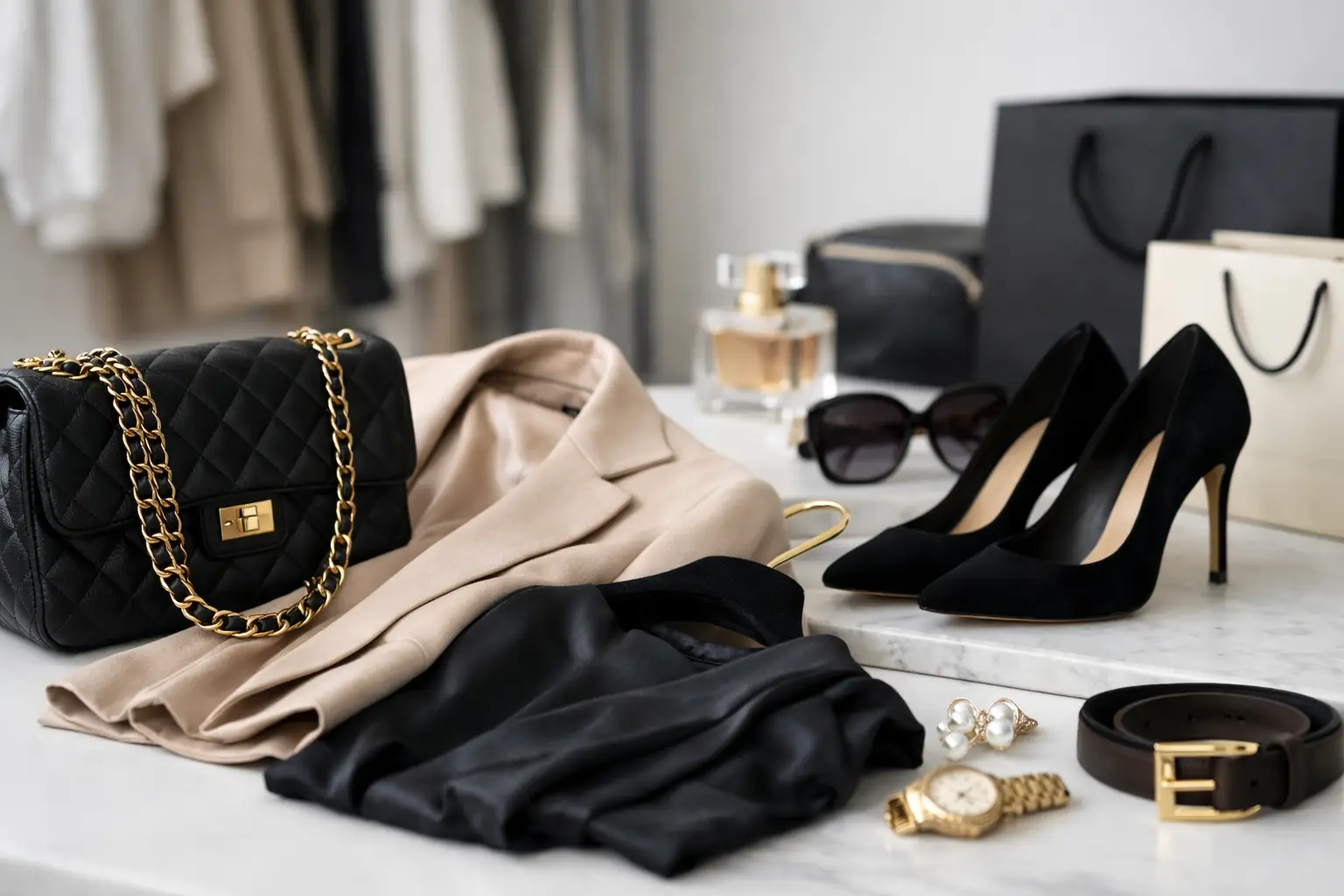
The right luxury purchase usually starts with a feeling. Maybe it is the cut of a blazer that sits perfectly at the shoulder, a knit that holds its shape season after season, or a handbag-adjacent ready-to-wear label that simply makes everything else in your closet look better. If you are searching for a luxury designer clothing brands list, the goal is not just to know the names. It is to understand what each house actually stands for, what you are paying for, and which brands fit your personal style.
Luxury fashion is crowded with legacy labels, trend leaders, and newer houses that move quickly through social feeds. That can make the market exciting, but it also makes it easier to overspend on a logo when what you really want is craftsmanship, fit, or staying power. A sharper approach is to shop by aesthetic, construction, and wardrobe relevance.
A luxury designer clothing brands list that actually helps you shop
Some lists throw every famous label into one long lineup and call it a day. That is not very useful when you are deciding where to invest. The brands below matter for different reasons. Some are heritage powerhouses. Some are modern status markers. Some are quiet luxury favorites that reward a closer look.
Chanel
Chanel remains one of the clearest symbols of polished luxury. The brand is known for tweed jackets, elegant suiting, refined dresses, and a distinctly Parisian kind of confidence. Ready-to-wear here is less about loud trend chasing and more about enduring codes. If your style leans classic, feminine, and impeccably finished, Chanel is a benchmark.
Dior
Dior balances structure and softness exceptionally well. Its tailoring, skirts, outerwear, and embellished pieces often feel romantic but controlled. This is a strong brand for shoppers who want formality with fashion weight. Dior can be highly recognizable, but it also offers plenty of subtle sophistication if you prefer a quieter wardrobe.
Louis Vuitton
Louis Vuitton is often associated with leather goods first, yet its clothing has become a major force in luxury fashion. The appeal is broad – elevated streetwear, sharp tailoring, and pieces that carry strong brand identity. If you like fashion with visibility and cultural relevance, Louis Vuitton delivers. The trade-off is that some collections can feel more trend-driven than timeless.
Gucci
Gucci is for wardrobes with personality. Depending on the era and creative direction, it can range from maximalist and eclectic to sleek and pared back. That variability is part of its appeal. Gucci works best for shoppers who enjoy statement fashion and do not mind pieces that signal a specific moment in style.
Prada
Prada has a rare ability to make intellectual fashion feel desirable. Clean lines, clever proportions, nylon-inflected utility, and understated luxury all live here. It is ideal for people who want their clothing to feel modern without looking obvious. Prada often rewards repeat wear because its pieces reveal more over time than they do at first glance.
Saint Laurent
For sharp, nightlife-ready glamour, Saint Laurent is a standout. Think lean tailoring, leather, silk blouses, slim silhouettes, and a darker, cooler tone overall. This brand excels at making eveningwear and city dressing feel effortless. If your personal style is more relaxed or soft, it may feel a bit severe. If you love sleek confidence, it is hard to beat.
Burberry
Burberry goes far beyond the trench, though the trench remains one of the smartest luxury buys in fashion. The clothing line often blends British heritage with modern tailoring and casual polish. It is especially strong in outerwear, knitwear, and pieces that bridge work and weekend dressing. Burberry is a practical luxury choice for shoppers who value versatility.
Balenciaga
Balenciaga sits at the intersection of luxury and disruption. Oversized shapes, fashion irony, and directional styling define much of its modern identity. For some shoppers, that edge is exactly the appeal. For others, the price-to-wear ratio is harder to justify. This is a brand to buy selectively, especially if you prefer pieces with a longer style lifespan.
Valentino
Valentino brings drama in a polished way. The house is known for exquisite eveningwear, fluid dresses, rich color, and refined embellishment. It can feel more occasion-oriented than everyday, but there are also beautiful coats, blouses, and separates that add elegance without requiring a gala invitation.
Fendi
Fendi combines Roman luxury with a stylish practicality. The brand often lands in a sweet spot between classic and fashion-forward, especially in outerwear, tailoring, and logo-inflected casual pieces. Fendi is a good option for shoppers who want recognizable luxury that still feels wearable.
Bottega Veneta
Bottega Veneta has become a key name in modern luxury clothing, not just accessories. The brand is admired for refined construction, rich materials, and an understated confidence that does not need heavy branding. If you like quiet luxury with a fashion insider edge, Bottega deserves attention. Prices are high, but the visual payoff is strong.
Givenchy
Givenchy offers a sleek mix of tailoring, urban polish, and evening appeal. It has enough structure for formal wardrobes and enough attitude for modern styling. This is a strong house for shoppers who want pieces that feel elevated without becoming overly precious.
Celine
Celine has become synonymous with minimalist luxury for many fashion-conscious shoppers. The brand favors clean lines, restrained palettes, and investment-worthy staples. Coats, trousers, blazers, and knitwear often lead the conversation. If your wardrobe goal is crisp, elevated simplicity, Celine is one of the smartest names on this luxury designer clothing brands list.
Tom Ford
Tom Ford is polished, sensual, and unapologetically glamorous. Expect precision tailoring, rich fabrics, and clothing that is designed to be seen. It is especially compelling for evening dressing and statement suiting. The brand works best for shoppers who enjoy bold refinement rather than understated ease.
Brunello Cucinelli
Brunello Cucinelli sits firmly in the quiet luxury space, with a focus on cashmere, tailored separates, and beautifully made casualwear. The appeal is comfort elevated to its highest form. There is very little flash here, which is exactly why the brand resonates with shoppers who care about quality above all else.
Max Mara
Max Mara is an excellent entry point into luxury clothing, especially if your style priorities include coats, suiting, and timeless wardrobe foundations. The brand is polished, consistent, and easier to integrate into everyday dressing than many runway-first labels. It may not offer the same status signaling as some French and Italian houses, but it delivers real wardrobe value.
Loewe
Loewe brings artistry to luxury fashion. The brand blends craft, unusual shapes, soft leather expertise, and a distinctly modern point of view. Clothing from Loewe often feels directional without becoming unwearable. It is an ideal choice for shoppers who appreciate design detail and want luxury that feels creative rather than conventional.
Alexander McQueen
Alexander McQueen is known for dramatic tailoring, sculptural silhouettes, and a powerful visual identity. It can be romantic, gothic, sharp, or all three at once. This is a compelling brand for fashion lovers who want clothing with presence. For minimalist dressers, it may feel too theatrical, but a McQueen blazer or coat can anchor a wardrobe beautifully.
How to choose from a luxury designer clothing brands list
The smartest luxury shopping starts with lifestyle, not hype. If you spend most of your week in polished casual looks, a house known for exceptional knitwear, outerwear, and daywear will serve you better than a red-carpet label. If your wardrobe needs one unforgettable event piece each year, then occasion-focused brands may be worth the premium.
Price matters too, but not in the obvious way. The most expensive label is not always the best investment. A beautifully cut wool coat from Max Mara or a refined knit from Brunello Cucinelli may earn more wear than a highly seasonal runway piece from a louder house. Cost per wear is not the whole story in luxury, but it is still useful.
Fit is another deciding factor that gets less attention than it should. Some brands consistently favor lean tailoring, some are stronger in oversized silhouettes, and some excel in fluid, body-skimming shapes. If a label’s signature cut works on your frame, that matters as much as prestige.
Where luxury pays off and where it depends
Luxury clothing usually pays off most in tailoring, coats, leather, knitwear, and special-occasion pieces where construction changes how the garment looks and feels. You can often see and feel the difference in drape, lining, stitching, and fabric quality. In these categories, premium pricing can make sense.
For trend-heavy T-shirts, logo basics, or highly seasonal items, the value equation is more mixed. Sometimes you are paying more for brand visibility than material or longevity. There is nothing wrong with that if the emotional value is there, but it helps to be honest about why you are buying.
For shoppers building a more elevated wardrobe, a selective approach is usually stronger than chasing labels at random. One exceptional coat, one beautifully cut blazer, and one evening piece you truly love can shift your closet more than five impulse buys ever will. That is part of the appeal behind premium fashion discovery at Bluurban – choosing with intention still feels luxurious.
A good luxury wardrobe does not need to look crowded, obvious, or endlessly new. It should look edited, personal, and expensive in the way that lasts. Start with the brand that matches your life, not just your feed, and the right pieces will keep proving their value long after the season changes.









Leave a comment