
Best Luxury Designer Clothes for Women
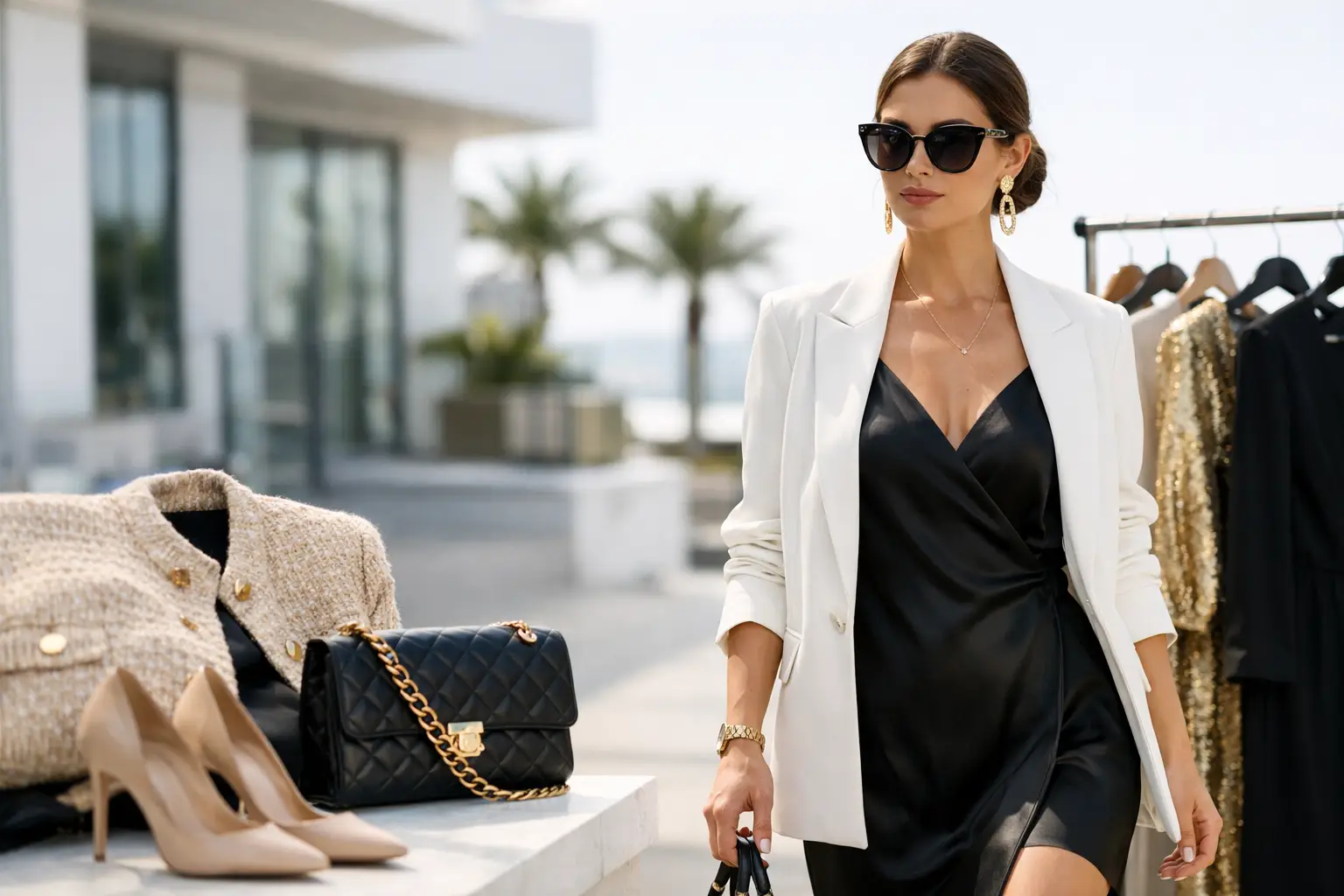
The difference between an expensive outfit and a luxurious one usually comes down to one thing – intention. The best luxury designer clothes for women are not simply covered in logos or priced for shock value. They feel considered. The fabric moves beautifully, the cut flatters without effort, and the piece holds its own whether you style it for a dinner reservation, a work trip, or a weekend city stroll.
Luxury fashion is also more practical than many shoppers expect. When chosen well, designer clothing can work harder than fast-moving trend pieces because it delivers stronger construction, better drape, and a level of polish that elevates everything around it. That does not mean every high-end item deserves a place in your closet. It means knowing what is worth the investment and what is better left on the rack.
What makes the best luxury designer clothes for women stand out
The first marker is fabric. Fine wool, silk, cashmere, structured cotton poplin, quality denim, and carefully blended knits tend to look richer because they wear better. You can often spot luxury before you see the label. A blazer with clean shoulder lines, a dress with a fully finished lining, or trousers that skim rather than cling will always read more elevated than a trendy piece that photographs well once and then loses shape.
The second marker is fit. Designer clothing often earns its price through pattern cutting, proportion, and tailoring details that are easy to miss until you put the piece on. A great coat balances the shoulders and falls cleanly through the body. A luxury blouse sits neatly at the collar and cuff. A well-made pair of pants can make an entire outfit feel expensive, even with a simple knit or tee.
Then there is longevity. The strongest luxury pieces do not rely on a single-season trend cycle. They may feel current, but they also have enough restraint to stay relevant. That balance matters if you want a wardrobe that looks elevated year after year instead of constantly needing replacement.
Start with the categories that deliver the most value
If you are building a luxury wardrobe strategically, outerwear is often the smartest place to begin. A refined wool coat, a sharply cut trench, or a beautifully made leather jacket changes the mood of everything underneath. Even basic layers feel more intentional when the top layer is exceptional.
Blazers follow closely behind. They bridge workwear and off-duty dressing better than almost any other category. Worn with denim, they create contrast. Paired with tailored pants or a skirt, they feel authoritative without looking stiff. If your style leans minimal, a blazer may give you more mileage than an embellished dress or statement top ever could.
Dresses are worth the investment when the silhouette is timeless enough to be worn repeatedly in different settings. A silk midi dress, a sculpted sheath, or a refined knit dress can move from event dressing to polished daytime styling with a switch in shoes and accessories. The key is choosing pieces with shape and simplicity rather than novelty.
Knitwear is another category where luxury often pays off. Better cashmere and merino blends hold their structure, pill less quickly when cared for properly, and feel noticeably better against the skin. A luxury sweater does not need heavy detailing to stand out. Often, the finish is the statement.
The best luxury designer clothes for women depend on lifestyle
A strong designer wardrobe should reflect how you actually live. For someone with a calendar full of meetings, polished separates and elevated day dresses may offer the best return. For someone whose schedule includes travel, dinners, and weekend events, fluid dresses, soft tailoring, and versatile outerwear may be the more intelligent investment.
This is where many luxury purchases go wrong. Shoppers buy for fantasy rather than frequency. A dramatic runway piece can be thrilling, but if it only works once a year, it may not be the cornerstone your wardrobe needs. On the other hand, a perfectly cut pair of trousers or a premium blouse in a rich neutral might become one of the most-worn items you own.
Think in terms of visibility and repetition. The items people see most often – coats, jackets, handbags, shoes, and go-to dresses – tend to deserve more of the budget. The pieces hidden under layers or worn only for one narrow occasion can often be more flexible in price.
How to tell if a designer piece is truly worth it
Price alone is not proof of quality. Some labels charge for prestige, hype, or trend momentum. That does not automatically make the clothing poor, but it does mean you should assess each piece on its own merits.
Start with construction. Look at the seams, lining, buttons, zipper weight, hems, and how the garment sits on the body. Luxury should feel deliberate from the inside out. Then assess versatility. Can the piece be styled at least three ways with items you already own? If not, it may be beautiful but not especially useful.
Next, consider maintenance. Silk, embellishment, and delicate fabrics can be stunning, but they also demand care. If your lifestyle does not accommodate regular dry cleaning or extra storage attention, a simpler fabric with excellent tailoring may serve you better. The best purchase is not always the most dramatic one. Often, it is the piece that fits your routine so well that wearing it feels easy.
Finally, notice emotional durability. Some purchases feel exciting for a week and dated by the next month. Others keep pulling you back because the silhouette, color, and quality still feel right. Luxury should offer that staying power.
Color, logo, and trend – where to be selective
Neutral shades dominate luxury wardrobes for good reason. Black, ivory, camel, navy, charcoal, chocolate, and crisp white create easy sophistication and tend to style effortlessly across seasons. They also help emphasize cut and fabric, which is where designer clothing often shines most.
That said, luxury does not need to mean quiet. Jewel tones, soft blush, rich burgundy, or a sophisticated print can add personality without sacrificing polish. The strongest approach is balance. If the shape is bold, keep the styling refined. If the color is striking, let the silhouette stay elegant.
Logos are a personal choice, but subtle branding usually offers more longevity. Highly visible logo pieces can feel current in one season and overexposed in the next. Minimal branding, on the other hand, tends to read more confident and less trend-dependent. It is the difference between announcing luxury and embodying it.
Building a luxury wardrobe without buying everything at once
A polished designer wardrobe is rarely created in a single shopping session. It is usually edited over time, with each piece earning its place. That approach is not only smarter financially, it also leads to a stronger personal style.
Begin with one signature category. Maybe it is outerwear, tailored separates, or dresses that make getting ready feel effortless. From there, add complementary pieces that extend the value of what you already own. A premium coat deserves trousers and knitwear that support the look. A standout blazer becomes even more useful when paired with quality denim, a silk shell, and elegant flats or heels.
This is also where a curated retail experience matters. A marketplace like Bluurban appeals to shoppers who want premium style inspiration without losing the convenience of broader discovery. For many women, luxury shopping today is not about chasing every runway moment. It is about finding elevated pieces that fit into a fuller lifestyle – wardrobe, home, beauty, and daily routine included.
When luxury is worth the splurge and when it is not
Some categories consistently justify investment. Coats, blazers, leather pieces, handbags, and occasion dresses tend to show quality differences clearly. You see the craftsmanship, you feel the fabric, and you notice the structure every time you wear them.
Other categories are more situational. Trend-driven tops, novelty skirts, or highly seasonal statement pieces can be lovely, but their cost per wear may be lower unless they align closely with your lifestyle. The same goes for delicate white pieces, ultra-fitted garments, or anything that requires constant care and limited use.
The smartest luxury shoppers are not the ones who buy the most. They are the ones who know exactly where premium quality changes the experience and where a more balanced spend makes sense.
The real goal of buying luxury
The best luxury designer clothes for women do not just make an outfit look expensive. They create ease. You get dressed faster because the fit works. You repeat pieces more often because they style well. You feel polished before accessories even enter the conversation.
That is the appeal worth paying for – not excess, but refinement with purpose. When you focus on craftsmanship, fit, and real-life versatility, luxury becomes less about status and more about living beautifully, one well-chosen piece at a time.








Leave a comment