
How to Style a Small Apartment Beautifully
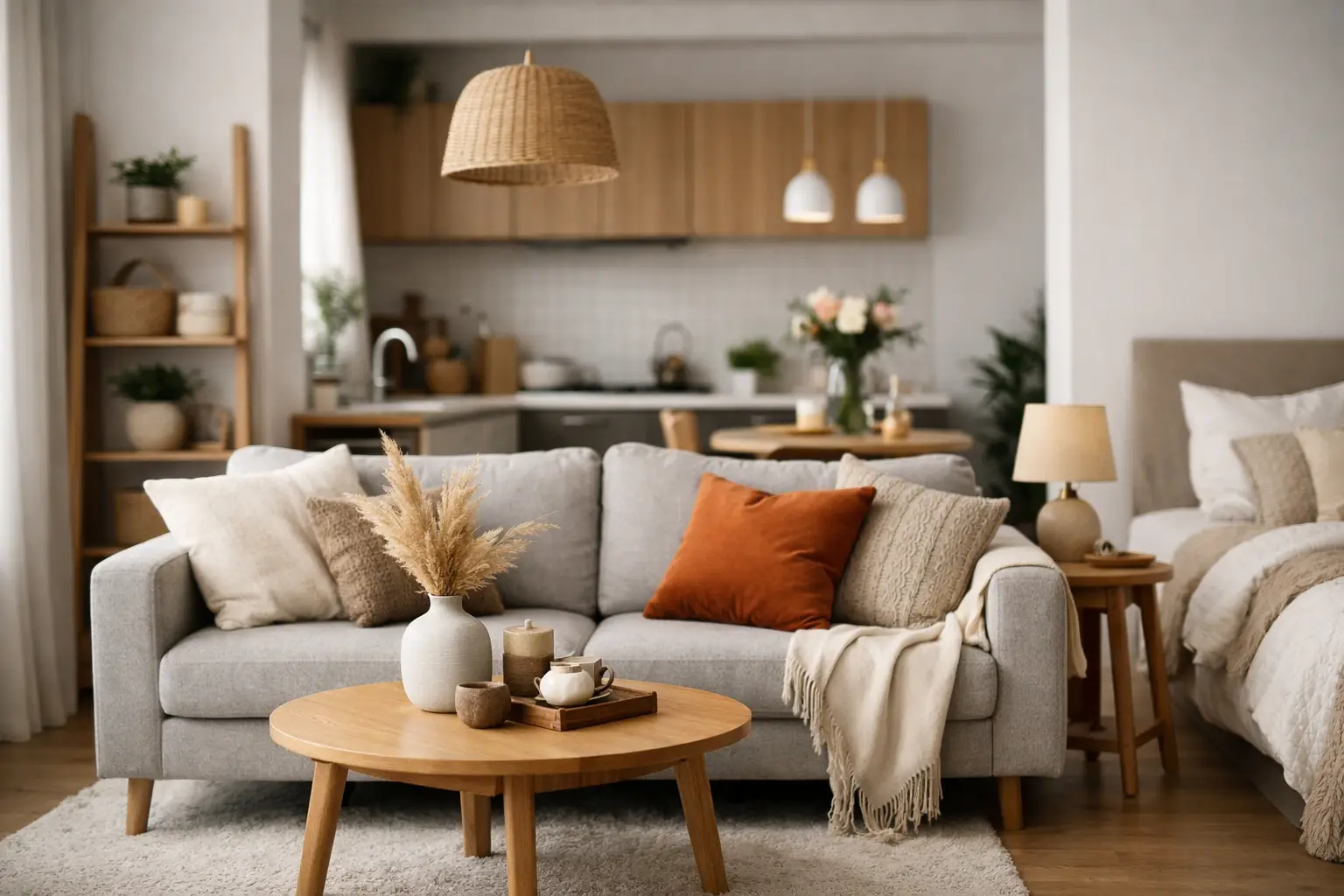
A small apartment tells the truth fast. If the entry is cluttered, the whole home feels crowded. If the lighting is flat, even beautiful furniture looks ordinary. And if every piece is simply there to fit, the space can feel temporary instead of intentional. That is why learning how to style a small apartment beautifully is less about filling rooms and more about editing them with precision.
The good news is that limited square footage can actually sharpen your style. In a smaller home, every material, silhouette, and finish matters more. Done well, a compact apartment feels curated, polished, and surprisingly expansive.
How to style a small apartment beautifully starts with restraint
The fastest way to make a small apartment feel elevated is to stop treating it like a storage container. Beautiful rooms are rarely the ones with the most items. They are the ones where each piece has a purpose, visual weight is balanced, and nothing competes too hard for attention.
Start by looking at your largest surfaces first – floor, walls, sofa, bed, dining table. If those anchors are visually heavy, everything else will feel compressed. Lighter wood tones, refined upholstery, glass, acrylic, and slim metal details usually create more breathing room than bulky, dark, overstuffed pieces. That does not mean your apartment has to be pale or minimal. It means the room should feel edited.
A common mistake is buying small furniture for every zone because the apartment is small. That can make the room feel fragmented. In many cases, one properly scaled sofa looks better than several tiny seats. One substantial rug can unify a living area more effectively than multiple small mats. Scale is about proportion, not just dimensions.
Build a clear visual foundation
Before adding decor, establish a consistent design direction. Small apartments look more luxurious when they are cohesive. That does not require a perfect match across every room, but it does require a throughline.
Choose a tight palette and repeat it. For example, warm whites, sand, camel, black, and brushed brass create a refined base that works across living, dining, and bedroom spaces. If you prefer a cooler look, soft gray, taupe, charcoal, and chrome can feel equally sophisticated. What matters is repetition. Repeating tones and finishes reduces visual noise, which is essential in close quarters.
Texture becomes more important when the palette is restrained. Linen curtains, boucle seating, ribbed glass, matte ceramics, wood grain, and soft wool layers add richness without crowding the eye. In a small apartment, texture gives you depth while color stays disciplined.
Layout matters more than decoration
Beautiful styling cannot rescue a poor floor plan. If the room feels hard to move through, it will never feel high-end.
Begin with circulation. You should be able to walk through each zone without squeezing past corners or shifting furniture. Pull pieces slightly away from walls when possible, even by a few inches. That subtle breathing room can make the apartment feel more intentional.
Then define zones clearly. Studio and one-bedroom layouts often work best when each area has a visual role. A rug can establish the living room. A pendant or table lamp can identify a dining nook. A console behind a sofa can create a boundary without building a wall. Even a compact apartment should feel like a sequence of purposeful moments, not one undecided room.
Multifunctionality is essential, but it has to look elegant. A storage ottoman can serve as a coffee table if it has a polished tray on top. A dining table can double as a workspace if the chairs and lighting feel elevated enough for both uses. The goal is flexibility without visual compromise.
Use light to create dimension
If you want to know how to style a small apartment beautifully, pay close attention to lighting. It is one of the most overlooked upgrades and one of the most transformative.
Relying on one overhead fixture makes a small apartment feel flat. Layered lighting creates atmosphere and helps zones feel distinct. Aim for a mix of ambient, task, and accent lighting. A ceiling fixture sets the base, but table lamps, floor lamps, plug-in sconces, and under-cabinet lighting add the softness that makes a home feel finished.
Warm bulbs generally flatter interiors better than harsh cool light. Mirrors can amplify that effect, but placement matters. A mirror opposite a window can expand daylight beautifully. A mirror reflecting clutter simply doubles it.
Window treatments also shape light more than many renters expect. Hanging curtains higher and wider than the window frame makes ceilings appear taller and windows appear larger. Choose fabrics that filter light gracefully rather than blocking it heavily unless privacy requires otherwise.
Storage should disappear into the design
Nothing shrinks an apartment faster than visible disorder. Stylish storage is not a side note in a small home – it is part of the decor.
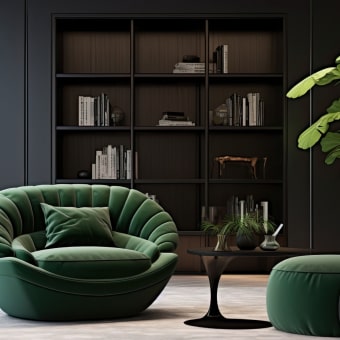
Closed storage usually looks calmer than open shelving, especially in multipurpose spaces. Baskets, cabinets, upholstered benches, and beds with concealed compartments help maintain a clean visual field. Open shelves can work, but they need discipline. A few books, sculptural objects, and a plant look curated. Everyday clutter does not.
Vertical storage is especially valuable. Tall bookcases, wall-mounted cabinets, floating shelves, and over-door solutions make use of height instead of eating into floor space. This is one place where apartment living rewards strategy. When storage rises upward, the room often feels larger at eye level.
Entryways deserve special attention. Even a narrow landing area can feel premium with a slim console, a mirror, a catchall tray, and concealed shoe storage. If the entrance looks composed, the entire apartment feels more polished from the first step.
Choose fewer, better accents
In a compact home, decorative objects carry more weight. That is why quality often outperforms quantity.
Instead of scattering small accessories everywhere, select a few pieces with presence. A sculptural vase, a striking lamp, oversized art, or a beautiful coffee table book stack can do more than ten minor items. The eye needs places to rest. Negative space is part of the styling.
Art is especially useful in a small apartment because it adds personality without taking up floor space. Larger artwork often works better than a busy gallery wall, though it depends on the architecture and your style. If you do create a grouped arrangement, keep the frames consistent so it reads as a collection rather than clutter.
Plants can soften hard edges and bring vitality to compact rooms, but they should suit the scale of the home. One taller plant in a corner often feels more sophisticated than many tiny pots spread around every surface.
Make small rooms feel taller, wider, and calmer
There are visual tricks that genuinely help, but they work best when used with restraint.
Low-profile furniture can make ceilings seem higher. Leggy pieces reveal more floor, which often makes rooms feel lighter. Rugs should be large enough to anchor furniture instead of floating awkwardly in the middle of the room. In bedrooms, bedding should feel layered and tailored rather than overstuffed. Crisp sheets, a quilt, and a textured throw usually look more refined than a pile of random pillows.
Color placement also affects perceived space. Keeping walls, larger upholstery pieces, and key storage items within a related tonal range helps the room feel continuous. You can still bring in contrast through hardware, lighting, art, and smaller accents. The apartment should feel composed first, expressive second.
Style for your real life, not a showroom
A beautiful apartment still has to function on Monday morning. If you work from home, your desk setup should look integrated rather than improvised. If you entertain often, prioritize comfortable seating and surfaces for drinks. If you have pets or kids, durable materials may matter more than delicate trend pieces.
That is where good styling becomes personal. A small apartment should not look sparse for the sake of appearances. It should feel tailored to the way you live, with enough refinement that daily routines feel elevated. Premium design is not about excess. It is about making smart choices that look effortless.
For shoppers who want a more polished finish without wasting time on trial and error, curated pieces make a difference. That is where a lifestyle-led marketplace like Bluurban can feel especially useful – not because you need more things, but because the right things help a small home feel intentional faster.
The most beautiful small apartments are not trying to mimic larger homes. They know exactly what they are, and they use that clarity to their advantage. When each piece earns its place, even modest square footage can feel richly designed, highly functional, and unmistakably sophisticated.








Leave a comment