
Smartwatch Versus Fitness Tracker
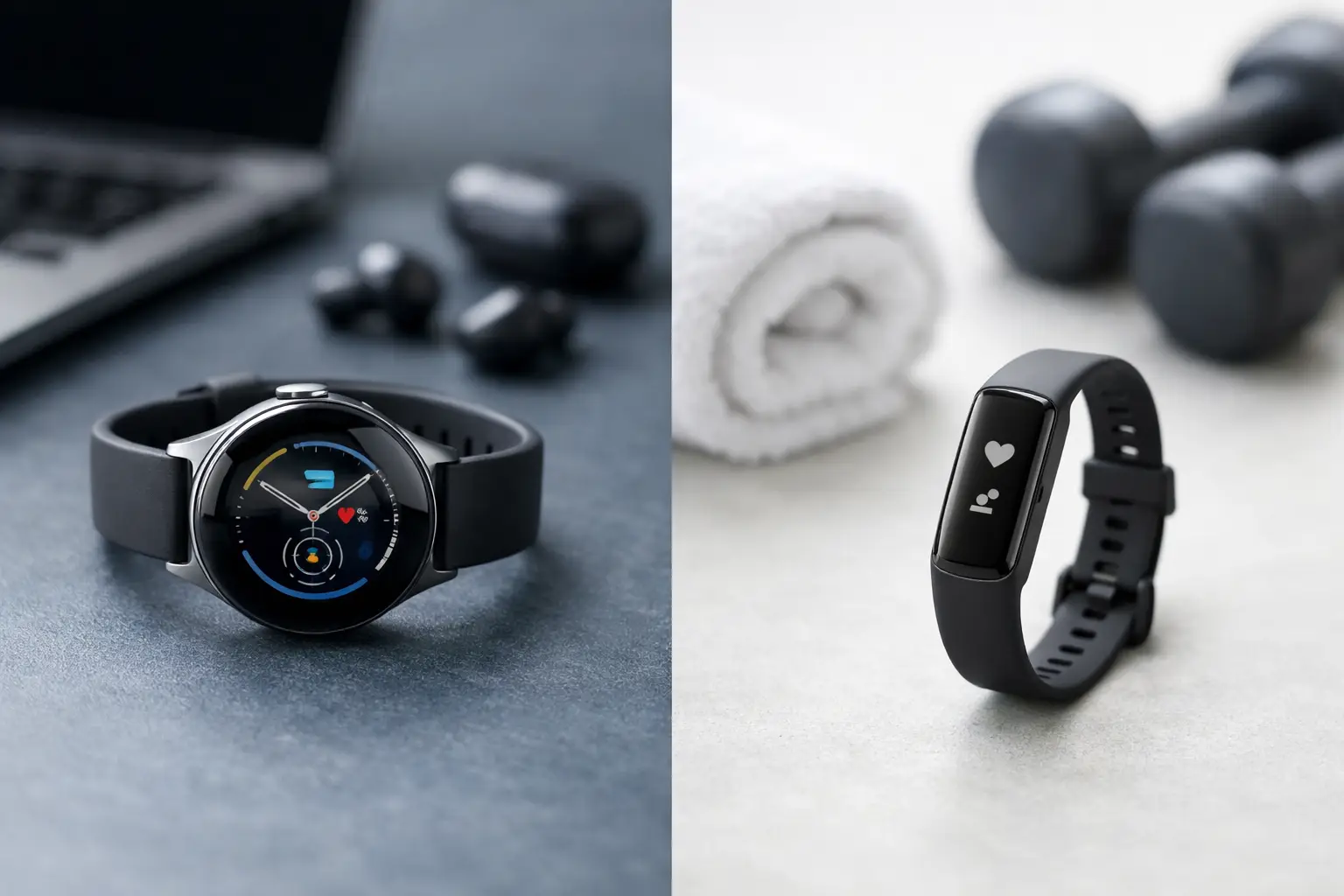
A sleek wearable can look like a style choice first and a tech purchase second – until you start comparing what it actually does for your day. The smartwatch versus fitness tracker decision comes down to more than appearance. It shapes how you train, how often you charge, how connected you stay, and whether the device feels like a polished part of your lifestyle or just another gadget in the drawer.
For shoppers who want their tech to work hard and look elevated doing it, this is one of the most useful comparisons to get right. Both categories have become more sophisticated, more attractive, and more wellness-focused. Still, they serve different priorities, and the better option depends on what kind of experience you want on your wrist.
Smartwatch versus fitness tracker: the core difference
At the highest level, a smartwatch is a multi-purpose wearable. It extends your phone, supports communication, runs apps, handles notifications, and often includes a broad suite of health and activity tools. A fitness tracker is more focused. It is designed primarily around movement, recovery, sleep, heart rate, and exercise metrics, usually in a lighter and simpler form.
That difference matters because it affects almost every part of ownership. A smartwatch tends to offer more features, a larger display, and a more premium screen experience. A fitness tracker often wins on comfort, battery life, and ease of use. One aims to be a digital companion. The other aims to be a wellness specialist.
If you are deciding between the two, the smartest question is not which one is better overall. It is which one fits your routine without adding friction.
Design and everyday wearability
For many buyers, the first impression is visual. Smartwatches usually feel more like statement tech. They often feature larger cases, brighter displays, metal finishes, and a stronger resemblance to traditional watches. If you want a wearable that pairs well with office attire, travel looks, or a more refined everyday wardrobe, a smartwatch often has the edge.
Fitness trackers take a quieter approach. They are typically slimmer, lighter, and less noticeable. That makes them especially appealing for all-day wear, sleep tracking, and workouts where bulk becomes distracting. If your goal is something discreet that blends into your routine, a tracker can feel more effortless.
There is a trade-off here. The larger, more luxurious screen of a smartwatch is better for reading messages, checking maps, and interacting with apps. The lower-profile shape of a fitness tracker is usually more comfortable during long wear. Style and comfort are both part of value, especially if you want your purchase to feel premium rather than purely practical.
Health and wellness features
This is where the gap between categories has narrowed. Today, many smartwatches and fitness trackers both offer step counting, heart rate monitoring, sleep tracking, calorie estimates, and workout modes. At a glance, they can seem similar.
The difference is often in depth and presentation. Fitness trackers tend to keep the experience centered on wellness metrics. They may offer excellent sleep insights, readiness scores, stress tracking, menstrual health features, and guided movement tools in a straightforward interface. If your main goal is building healthier habits, that focus can be a real advantage.
Smartwatches also cover health, but often as one part of a broader ecosystem. Many models include advanced sensors such as ECG, blood oxygen tracking, irregular rhythm alerts, or skin temperature trends, depending on the brand and price tier. For users who want wellness data plus communication, mobile payments, and app support, that wider feature set is appealing.
Still, more features do not always mean a better fit. If you know you mainly care about sleep, steps, recovery, and workouts, a dedicated tracker may deliver a cleaner experience with less distraction.
Workout tracking and training support
If exercise is the main reason you are shopping, look closely at how you train. Casual walkers, gym-goers, and people building basic activity habits are often very well served by a fitness tracker. It covers the essentials and keeps the learning curve low.
More connected athletes may prefer a smartwatch, especially if they want onboard GPS, music control, call handling, turn-by-turn prompts, or third-party training apps. A smartwatch can feel more complete if you want one device managing both your fitness and your digital life.
That said, not every smartwatch is the better sports watch, and not every tracker is basic. Some trackers are remarkably strong on wellness analytics, while some smartwatches lean more toward lifestyle than training precision. The details matter more than the label.
Battery life changes the ownership experience
Battery life is one of the clearest dividing lines in the smartwatch versus fitness tracker conversation. Smartwatches usually need more frequent charging because they power larger screens, app functionality, and constant connectivity. Depending on the model, that can mean daily charging or every few days.
Fitness trackers generally last longer. Many can go several days or even well beyond a week on a charge. For people who travel often, track sleep nightly, or simply dislike another charging task, this is a meaningful advantage.
This is not a minor spec sheet issue. It changes how convenient the wearable feels over time. A device with beautiful features loses some appeal if it is often sitting on a charger. On the other hand, some buyers are perfectly happy to charge nightly if they get a richer screen and smarter functionality in return.
Smart features and phone integration
A smartwatch earns its name through connectivity. You can usually expect notifications, texts, calls, voice assistants, calendars, payment options, and app integrations. For busy professionals, commuters, and multitaskers, that convenience is hard to ignore. A quick glance at the wrist can save you from reaching for your phone dozens of times a day.
Fitness trackers typically offer lighter versions of these tools, such as basic notifications or alarms, but they are not built to replace phone interactions in the same way. That can actually be a benefit if you want less digital noise. Some people buy wearables to support wellness, not to extend their inbox.
This is one of the most personal trade-offs. If you love the idea of a connected, polished mini-device on your wrist, a smartwatch is likely the stronger choice. If you want your wearable to support your health without turning into another screen, a fitness tracker may feel more intentional.
Price, value, and what you are really paying for
In general, fitness trackers are more affordable, while smartwatches cover a wider premium range. That does not automatically make the tracker the better value. Value depends on how many of the features you will actually use.
A fitness tracker can be an excellent buy if your priorities are clear. You get focused wellness support, comfortable wear, and strong battery life without paying for app ecosystems or advanced communication tools you may never touch.
A smartwatch can justify the higher investment when you want an elevated blend of style, smart convenience, and health tracking in one device. For many buyers, that all-in-one appeal is worth the premium. It reduces the need to choose between function and polish.
For a lifestyle-minded shopper, this is where curation matters. The best wearable is not the one with the longest feature list. It is the one that fits your habits, your aesthetic, and your expectations of everyday luxury.
Who should choose which?
Choose a fitness tracker if you want comfort first, wellness insights first, and fewer distractions. It suits buyers who care about movement, sleep, and recovery more than messaging or apps. It is also ideal if battery life is high on your list or if you prefer a lighter, more understated device.
Choose a smartwatch if you want a more complete wearable experience. It is the better match for shoppers who value design presence, broader functionality, and tighter integration with daily routines. If you want your wearable to support workouts, errands, workdays, and travel with equal polish, a smartwatch tends to deliver more range.
Some buyers also sit in the middle. They want health tracking but care deeply about style. They want notifications, but not a flood of them. In that case, the right answer is often a streamlined smartwatch or a premium tracker with elevated materials and a refined app experience.
The better question than which is best
The most satisfying wearable purchases usually happen when the device matches the life you already have, not the one marketing promises. If your day is packed with messages, calendars, payments, and movement, a smartwatch can feel like a beautifully integrated upgrade. If your focus is feeling better, sleeping better, and staying active with less digital clutter, a fitness tracker may be the more elegant choice.
At Bluurban, that kind of decision reflects a broader standard of smart shopping: choosing products that combine performance, design, and everyday relevance. A wearable should not just collect data. It should fit your routine so naturally that it feels considered from the moment you put it on.
The right device is the one you will actually wear, trust, and enjoy – because the most premium tech experience is the one that improves your day without asking for too much in return.













Leave a comment