
How to Groom Dogs for a Polished, Healthy Coat
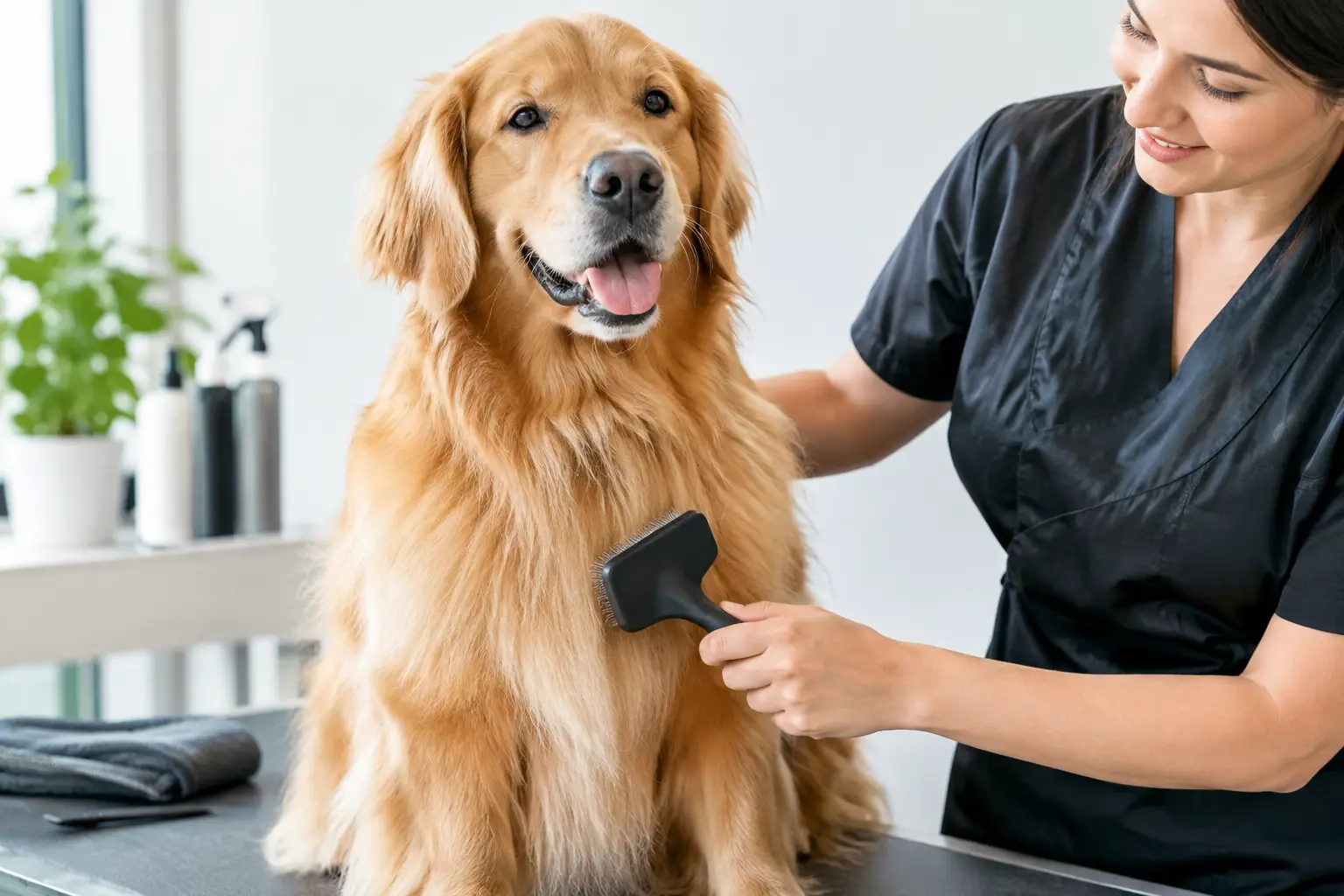
A freshly groomed dog changes the feeling of a home. Their coat looks richer, their favorite chair stays cleaner, and close-up cuddles become a pleasure rather than a negotiation. Learning how to groom dogs is less about recreating a salon in your bathroom and more about creating a calm, polished care ritual that suits your dog’s coat, comfort level, and lifestyle.
The best routine is consistent rather than complicated. A few quality tools, patient handling, and attention to small details can keep most dogs looking beautifully cared for between professional appointments. For some coats and temperaments, however, the refined choice is knowing when to book a groomer or call the veterinarian.
Start With a Grooming Setup Worth Using
Grooming goes more smoothly when everything is ready before your dog enters the room. Choose a bright, non-slip area with enough space to work around your dog safely. A rubber bath mat, a towel within reach, and a calm voice do more for the experience than an elaborate setup.
Build your kit around your dog rather than buying every tool available. Most homes benefit from a soft slicker brush, a metal comb, dog-safe shampoo, absorbent towels, nail clippers or a nail grinder, cotton pads, and pet-safe ear cleaner. Short-haired dogs may do better with a rubber curry brush, while curly, long, or double-coated dogs need tools that reach closer to the skin without pulling.
Human shampoo is not a stylish substitute. A dog’s skin has a different pH balance, and fragranced household products can leave it dry or irritated. Select a dog-specific formula appropriate for sensitive skin, shedding, whitening, or moisturizing only if that is genuinely useful for your pet. When in doubt, simpler formulas are often the more elegant choice.
How to Groom Dogs by Starting With the Coat
Brushing before a bath is the step many new owners skip, and it is often what separates a tidy wash from a truly well-finished coat. Water tightens mats, making them more difficult and painful to remove. Run your hands over your dog first, checking behind the ears, under the collar, beneath the front legs, around the tail, and along the belly. These are the places where tangles tend to form quietly.
For a short coat, brush in the direction of hair growth using gentle, even strokes. Once or twice a week is enough for many breeds, although seasonal shedding can call for more frequent sessions. A dog with a thick double coat may need brushing several times a week during shedding season. Never shave a double-coated breed just to reduce shedding unless a veterinarian recommends it for a medical reason. That coat helps regulate temperature and protects the skin.
Long-haired and curly-coated dogs need a more deliberate approach. Separate the hair in small sections and brush from the ends toward the roots. Follow with a metal comb to confirm that you can reach the skin without snagging. If you encounter a small mat, hold the hair near the skin to reduce tugging and work it apart slowly. Dense mats, especially those close to the skin, are a professional grooming job. Cutting them out with household scissors can easily cut your dog as well.
Bathe for Cleanliness, Not Constant Fragrance
A clean dog should smell neutral and feel soft, not intensely perfumed. Most healthy dogs do not need weekly baths. Every four to eight weeks works well for many pets, while muddy adventures, skin conditions, and breed-specific coat needs can change the schedule. Overbathing can strip natural oils and make the coat look dull.
Before the bath, brush thoroughly and place a cotton ball loosely at the entrance of each ear if your dog tolerates it. Do not push cotton into the ear canal. Use lukewarm water, beginning at the shoulders and working downward. Keep spray away from the face, then wet the head gently with a damp cloth.
Dilute shampoo according to its directions when appropriate, then massage it through the coat with your fingertips. Pay attention to paws, the underside, and the collar area, but avoid scrubbing with your nails. Rinse longer than you think you need to. Leftover shampoo is one of the most common causes of post-bath itching.
Towel-dry with firm but gentle presses rather than aggressive rubbing, which can create tangles in longer hair. A pet dryer on a low, cool or warm setting can help if your dog is comfortable with the sound. Never use a hot dryer close to the skin. For dogs with dense coats, drying fully matters because trapped moisture can cause skin irritation and an unpleasant odor.
Face, Eyes, and Ears Need a Lighter Touch
The face is best cleaned with a soft damp cloth. Wipe outward from the eyes, using a fresh portion of the cloth for each side. Tear staining is common in some light-coated dogs, but persistent discharge, redness, squinting, or swelling needs veterinary attention rather than a cosmetic fix.
Clean ears only when they look dirty or your veterinarian has advised a regular schedule. Add dog-safe ear cleaner as directed, massage the base of the ear briefly, then let your dog shake. Wipe away what comes to the outer ear with cotton or gauze. Do not use cotton swabs inside the canal. A strong odor, dark debris, repeated head shaking, or tenderness can signal an infection and calls for professional care.
Nail Care Makes Every Step More Comfortable
You can often hear overdue nails before you see them: they click sharply on hard floors and may alter the way your dog stands. Keeping nails trimmed supports comfortable movement and protects flooring and furniture, but it deserves a slow, confident approach.
For light-colored nails, trim tiny amounts at a time and look for the pink quick inside. For dark nails, take thin slices and stop when the center begins to look darker or moist. A nail grinder offers extra control for many owners, though some dogs dislike the vibration. Either tool can work beautifully when introduced gradually with praise and a high-value treat.
If you cut the quick, stay calm. Apply styptic powder or cornstarch with gentle pressure until bleeding stops. If bleeding continues, or if nail care consistently becomes a stressful struggle, let a groomer or veterinary team take over. The goal is not a perfect pedicure. It is a dog that feels safe enough to cooperate next time.
Finish the Routine With the Details That Matter
Check paws for packed dirt, cracked pads, small stones, or overgrown hair between toes. In winter, road salt can irritate paws, while summer pavement can leave pads sore. A quick wipe after walks is a polished habit that protects both your dog and your home.
Dental care belongs in the larger grooming picture, even though it is not a bath-day task. Use a dog toothbrush and dog toothpaste, never human toothpaste, and start with brief sessions. Daily brushing is ideal, but a realistic routine performed regularly has more value than a flawless plan abandoned after a week.
As you groom, watch for new lumps, flaky skin, fleas, parasites, hot spots, changes in coat texture, or unusual sensitivity. Home grooming gives you a rare close look at your dog’s body. That familiarity can help you notice a problem early, before it becomes harder and more expensive to manage.
Know When a Professional Groomer Is the Premium Option
At-home care and professional grooming are not competing choices. They work best together. A professional groomer is especially valuable for breed-specific clips, difficult undercoats, nail trims that make you nervous, severely tangled fur, and dogs that need experienced handling.
Puppies, senior dogs, and anxious rescues may need shorter sessions with more breaks. A five-minute brush followed by a treat can be far more successful than forcing a complete groom. Introduce tools one at a time, reward calm behavior, and finish before your dog reaches their limit. Over time, grooming can become a familiar part of an elevated, well-cared-for routine rather than an event everyone dreads.
A beautiful coat is the visible result, but comfort is the real standard. Keep the sessions gentle, keep the tools clean, and let your dog’s needs set the pace. That quiet consistency is what makes everyday pet care feel truly premium.













Leave a comment