
Best Linen Sheets for a Beautifully Relaxed Bed
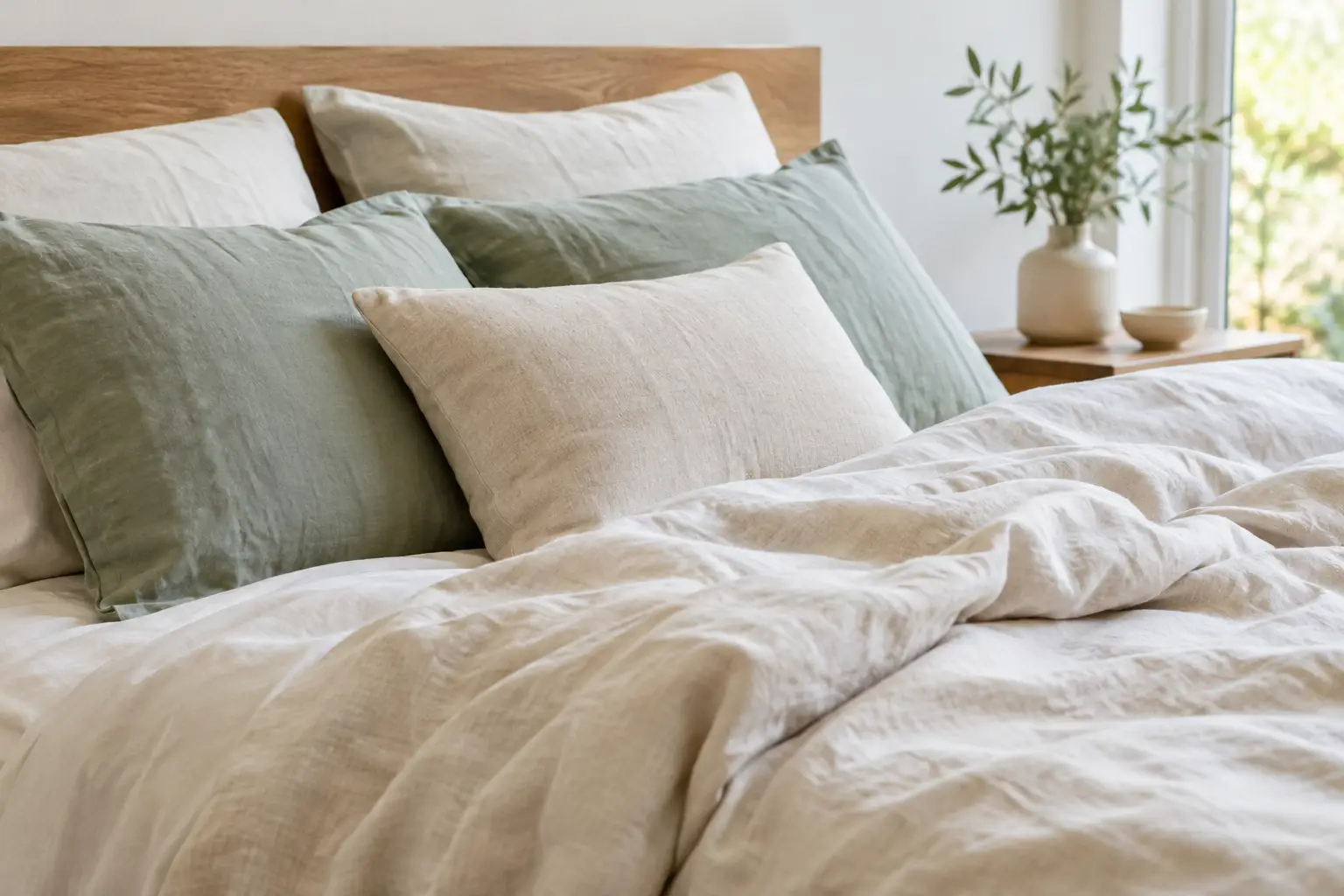
A bed dressed in linen has a particular kind of presence: softly rumpled, naturally textured, and inviting without looking overstyled. The best linen sheets bring that relaxed polish to the room while delivering the practical comfort that matters at bedtime – airflow in summer, cozy layering in cooler months, and a feel that grows softer with use.
For style-conscious shoppers, linen is not simply another bedding fabric. It is a material choice that can make an everyday bedroom feel more considered. Still, not every linen set delivers the same experience. Fiber quality, weave, construction, fit, and finishing all affect whether sheets feel exquisite from the first wash or become a frustrating splurge.
What Makes the Best Linen Sheets Worth Buying
Linen comes from the flax plant, and its fibers have a naturally breathable, moisture-wicking character. That is why it is often a smart choice for warm sleepers, humid climates, and anyone who wants their bedding to feel light rather than slick. Linen does not trap heat in the same way as many dense cotton weaves, yet it has enough substance to feel comfortable through much of the year.
Its visual appeal is just as compelling. Linen has a matte finish and an easy, dimensional texture that works beautifully in minimal, coastal, organic modern, farmhouse, and quietly luxurious spaces. A perfectly pressed bed is not the goal. The beauty is in the lived-in finish: a bedroom that looks relaxed, elevated, and ready to enjoy.
The trade-off is that linen is rarely silky smooth straight out of the package. Even premium linen has a crispness at first, and natural creasing is part of the fabric’s personality. If you prefer a sleek hotel-sheet look or an ultra-smooth hand feel, sateen cotton may be a better fit. But if you appreciate materials that become more personal and comfortable over time, linen offers a distinctive payoff.
Look for 100% flax linen
The clearest starting point is the fiber label. Choose 100% linen made from flax when you want the breathable texture and long-term character linen is known for. Some products described as “linen” are blends, often mixed with cotton, rayon, or polyester. A blend can lower the price and reduce wrinkles, but it also changes the feel and performance.
Cotton-linen can be a pleasant middle ground for someone easing into linen. It often feels softer immediately and retains some airflow. Polyester blends, however, can compromise breathability and may create a shinier, less natural finish. For a premium bedding investment, pure flax is usually the more satisfying choice.
Prioritize a balanced weight, not thread count
Thread count is useful for certain cotton sheets, but it is not the deciding measure for linen. Linen fibers are thicker, and the quality of the flax and weave matters more than an inflated number on a label. Instead, pay attention to fabric weight, often measured in grams per square meter, when that information is available.
Lightweight linen feels airy and is especially appealing for hot sleepers or summer bedrooms. Midweight linen offers greater durability and a more substantial drape, making it a versatile year-round option. Heavier linen can feel luxurious and grounding, but it may be too warm for those who sleep hot. The best choice depends on your climate, layering preferences, and whether you use a blanket or duvet throughout the year.
Notice the wash and finish
Stone-washed or garment-washed linen has already been softened during manufacturing, so it tends to feel more welcoming from the first night. This finish is ideal if you want immediate comfort and a relaxed, washed-in appearance. Untreated linen may feel firmer at the beginning, but it can soften beautifully with regular laundering.
Neither option is automatically superior. Pre-washed linen delivers instant ease, while more structured linen may appeal to shoppers who enjoy a crisper hand feel and want to let the material evolve naturally. What matters is transparency. A quality product description should clearly state the fiber content, care instructions, and whether the fabric has been pre-washed.
How to Choose the Best Linen Sheets for Your Bed
A polished bedding purchase should work as well as it looks. Before selecting a color or chasing a beautiful product photo, start with the dimensions of your mattress. Measure its depth, especially if you use a plush mattress topper. Linen has less stretch than some synthetic-blend sheets, so fitted-sheet pocket depth is not a minor detail.
Look for elastic that runs around the entire fitted sheet rather than only at the corners. Full-perimeter elastic creates a neater fit and helps prevent the sheet from pulling loose overnight. If you have a deep mattress, confirm the stated pocket depth instead of assuming that “deep pocket” means the same thing across brands.
For a complete, curated bed, consider how the sheets will work with your duvet cover, pillows, and surrounding finishes. Natural flax, ivory, soft white, misty blue, clay, olive, and charcoal are enduring linen colors because they emphasize the fabric’s texture. They also make seasonal refreshes easy: layer warmer neutrals in fall and winter, then introduce lighter throws or crisp accent pillows in spring.
White linen has an airy, hotel-inspired quality, though it may require more attentive stain care. Deeper shades offer drama and can be more forgiving in homes with children, pets, breakfast-in-bed habits, or a beloved evening cup of tea. A muted color often gives linen its most sophisticated expression because it lets the weave, not a loud print, take center stage.
Choose a set based on how you actually sleep
Linen sheet sets vary in what they include. Some have a fitted sheet, flat sheet, and pillowcases; others offer individual pieces. Buying separately can be worthwhile if you prefer sleeping without a flat sheet, use European pillow sizes, or want to mix colors for a custom layered look.
Think about your nightly routine, too. Warm sleepers may prefer a fitted sheet paired with a linen duvet cover and a lightweight insert. Those who like more coverage can use a flat sheet as a flexible layer between the body and duvet. There is no single correct formula. The most beautiful bed is the one that supports better rest without adding unnecessary fuss.
Care That Helps Linen Get Better With Time
Linen is an investment fabric, but its care is refreshingly straightforward. Wash sheets in cool or lukewarm water with a mild detergent. Avoid overloading the machine, which can create stubborn wrinkles and prevent an even clean. Bleach is generally best avoided because it can weaken natural fibers over time.
Tumble dry on low heat and remove the sheets while they are still slightly damp if you want to minimize creasing. You can make the bed immediately for an intentionally relaxed finish, or air-dry the last bit of moisture before folding. Ironing is entirely optional. For most linen lovers, wrinkles are not a flaw to correct but evidence of a natural, beautifully worn material.
Skip fabric softener. It can coat the fibers and reduce linen’s absorbency, which is one of the reasons the fabric feels so comfortable. With each wash, quality linen should become softer and more inviting while maintaining its distinctive texture.
The Details That Separate a Smart Purchase From a Pretty One
Beautiful photography can make almost any bedding look premium, so read beyond the image. Check whether the listing identifies 100% European flax or simply says “linen feel.” Confirm the return policy, particularly when trying a new bedding material for the first time. Review the dimensions, pocket depth, closure details, and number of pillowcases included.
Also consider the value beyond the initial price. A lower-priced set that pills, loses shape, or feels scratchy after a few washes is not necessarily the better deal. Well-made linen is designed for repeat use and has a durability that supports a more intentional approach to home essentials. It can be a considered upgrade for a primary bedroom, a guest room that deserves a memorable touch, or a thoughtful housewarming gift.
At Bluurban, elevated living is often found in the objects used most often, not only the ones saved for special occasions. Linen sheets belong in that category: practical enough for every night, refined enough to transform how a room feels.
Choose the color and weight that suit your home, give the fabric a few washes to settle in, and let the bed become softer, more relaxed, and more distinctly yours with every season.










Leave a comment