
9 Home Styling Trends 2026 Is Bringing In
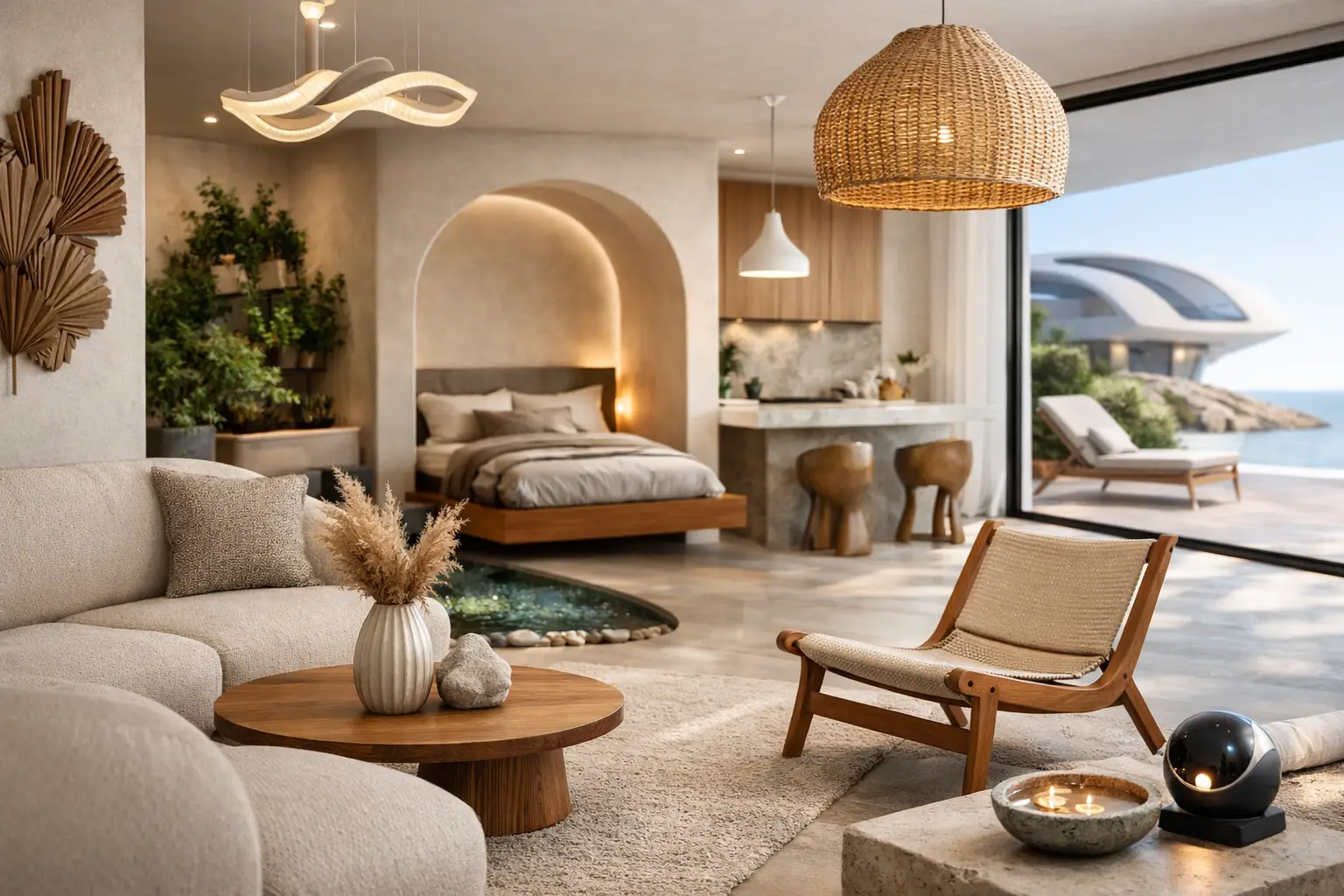
A perfectly styled room in 2026 will not look overly decorated. It will look considered. That is the shift behind home styling trends 2026 is set to define – spaces that feel elevated, personal, and easy to live in, rather than staged for a photo and forgotten by dinner.
For style-conscious homes across the US, that means fewer trend-chasing purchases and more intentional choices. The strongest looks ahead blend softness with structure, technology with warmth, and premium detail with everyday practicality. The result is a home that feels aspirational without feeling untouchable.
Home styling trends 2026 are moving toward lived-in luxury
The clearest direction for next year is a more relaxed version of luxury. Think refined finishes, tactile materials, and silhouettes with presence, but without the stiffness that defined some high-end interiors in recent years.
Rooms are becoming less formal and more layered. Upholstery is softer. Wood tones are warmer. Decorative accents feel curated rather than crowded. Instead of filling every surface, people are choosing a few standout pieces that bring shape, texture, and visual calm.
This matters because the modern home is doing more work. It is where people host, work, rest, reset, and often shop for their next upgrade. Styling has to support real life. The polished look still matters, but comfort is no longer negotiable.
1. Warm minimalism replaces cold minimalism
The all-white, ultra-stripped aesthetic has been losing momentum, and 2026 pushes it further out. In its place is warm minimalism – a cleaner look grounded by cream, taupe, camel, clay, walnut, and muted olive.
This style still favors restraint, but it does not feel sterile. A pared-back living room now looks better with boucle seating, a sculptural wood coffee table, a soft woven rug, and ambient lighting than with stark contrast and hard-edged furniture alone.
The trade-off is that warm minimalism requires better materials and better editing. When there are fewer items in a room, each one has to earn its place. Cheap finishes stand out faster, while rich textures make the entire room feel more premium.
2. Curved forms stay, but with more structure
Soft curves are not disappearing, but they are maturing. The playful rounded shapes of the past few years are becoming more architectural. Sofas, mirrors, accent chairs, and console tables still lean curved, though the silhouettes feel cleaner and more substantial.
This is good news for anyone who likes a softer room without wanting it to look overly trendy. A curved accent chair or arched floor mirror can still update a space, but pairing those elements with straighter lines keeps the room balanced.
It depends on the size of the room, though. In compact apartments, too many rounded pieces can make a layout feel visually loose. In larger homes, those same shapes can soften expansive rooms and make them feel more welcoming.
The color story gets deeper and more grounded
Color in 2026 is less about quick impact and more about atmosphere. Instead of loud statements everywhere, the strongest palettes build depth through layered neutrals, earthy tones, and select moments of saturation.
3. Brown is officially back
Brown has fully reentered the style conversation, and now it feels sophisticated rather than dated. Espresso, cocoa, chestnut, and mocha are showing up in furniture, cabinetry, textiles, and decor.
These richer browns add gravity to a room. They pair especially well with brushed metals, creamy upholstery, black accents, and stone surfaces. If gray once became the default neutral, brown is becoming the one that adds emotion and warmth.
For shoppers who are not ready to commit to dark furniture, brown works beautifully in smaller layers. Try it through throw pillows, ceramic decor, framed art, or a statement lamp with a deep wood base.
4. Accent colors get moodier and more selective
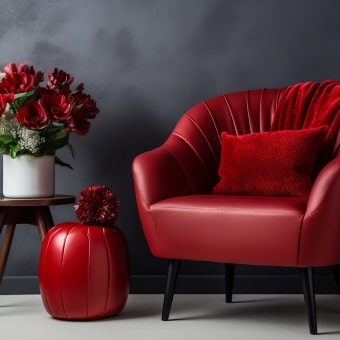
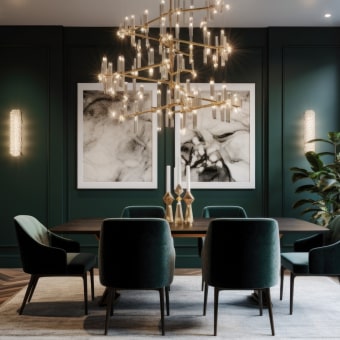
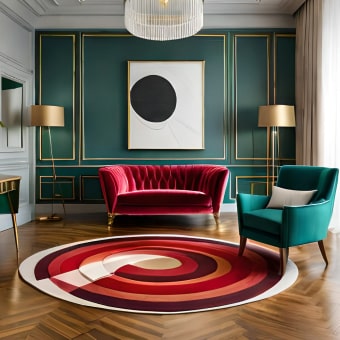
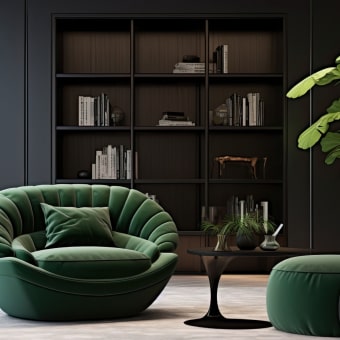
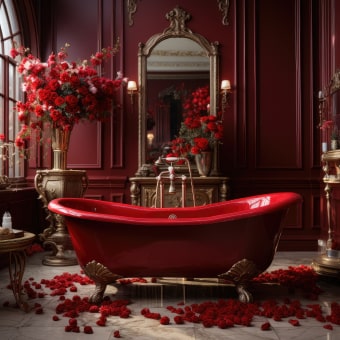
Expect to see more oxblood, dusty plum, slate blue, forest green, and muted terracotta. These colors are less flashy than bright trend tones, but far more enduring.
What changes in 2026 is how they are used. Rather than spreading one accent color across an entire room, designers are placing it more strategically. A single velvet chair, a set of textured drapes, or a tonal bedding layer can create enough contrast without overwhelming the space.
This approach is easier to update over time. It also feels more aligned with a premium home, where restraint often reads as more luxurious than excess.
Texture becomes the real statement piece
As rooms move away from obvious decorating tricks, texture is doing more of the visual heavy lifting. This is one of the most useful home styling trends 2026 will bring to everyday spaces because it can transform a room without requiring a full redesign.
5. Mixed materials create depth
Spaces are looking richer through contrast. Smooth stone beside nubby fabric. Matte ceramics against reflective glass. Light oak paired with dark metal. Crisp linen offset by plush upholstery.
The goal is not to mix everything at once. It is to keep a room from feeling flat. Even a neutral space becomes more interesting when the materials vary in a deliberate way.
This is where elevated styling can feel surprisingly accessible. You do not always need a new sofa or dining set. Sometimes a room changes simply by adding a ribbed vase, a textured throw, a marble tray, and better lampshades.
6. Statement lighting gets more sculptural
Lighting is becoming one of the fastest ways to make a home feel designed. In 2026, pendants, table lamps, and sconces are leaning artistic, with silhouettes that feel collectible and functional at once.
Expect pleated shades, smoked glass, ceramic bases, antique-inspired brass, and integrated smart lighting that does not look overtly techy. The best pieces deliver atmosphere first and technology second.
That distinction matters. A room can have advanced features, but if the fixtures look cold or purely functional, the mood disappears. The new standard is smart convenience wrapped in style.
Comfort is becoming more tailored
Comfort is still central, but the visual language is more polished. Oversized everything is giving way to pieces that feel inviting without looking shapeless.
7. Bedrooms feel boutique, not basic
The bedroom is getting a sharper style identity. Instead of treating it as a practical afterthought, homeowners and renters are styling it more like a private suite.
That means layered bedding in tonal colors, upholstered headboards, substantial nightstands, and lighting that flatters the room rather than merely illuminates it. Benches, oversized pillows, and tailored throws add the finished feel.
There is also more interest in sensory comfort. Blackout curtains, softer textures, warmer bulbs, and less visual clutter all support a calmer experience. Luxury here is not about excess. It is about quality choices that improve rest.
8. Decor becomes more personal and less mass-matched
One of the strongest shifts in home styling trends 2026 reflects is the move away from buying entire matching sets. People want rooms that feel collected, not copied.
That can mean vintage-inspired decor beside modern furniture, handmade-looking ceramics mixed with sleek electronics, or family pieces styled next to newer, trend-conscious finds. The room feels better when it carries some personality.
There is a fine line, though. Personal does not mean chaotic. The most elegant spaces still have a point of view. Repetition in color, shape, or finish helps different pieces feel connected, even when they come from different styles.
Smart homes look softer in 2026
Home technology is still expanding, but visually, it is becoming quieter. Consumers want convenience without sacrificing design.
9. Tech blends into the room
Smart lighting, portable power solutions, air quality devices, charging stations, and compact home accessories are being selected with aesthetics in mind. The piece has to work, but it also has to belong in the room.
This is especially relevant in open-plan homes and smaller spaces where tech is always visible. Clean lines, neutral finishes, and compact profiles are winning over bulky designs that interrupt the styling.
For shoppers building a more elevated home, this is a useful filter: if a product solves a problem but visually lowers the room, it may not be the right choice. The best upgrades support both form and function. That blend is part of what makes a modern retail destination like Bluurban feel aligned with how people actually shop now – by category, yes, but also by lifestyle.
How to use 2026 trends without overcommitting
The smartest way to approach next year is not to redo every room. Start with the areas that carry the most visual weight: the sofa, rug, lighting, bedding, and accent pieces. Those changes shift the atmosphere faster than minor decor swaps alone.
If your home already leans modern, add warmth through wood, layered textiles, and deeper neutrals. If it already feels traditional, bring in cleaner shapes and more sculptural accessories. If your space is small, focus on fewer, better-looking items rather than trying to fit every trend at once.
A trend is useful when it sharpens your style, not when it replaces it. The homes that will look best in 2026 are not the ones that copied every new idea first. They are the ones that chose quality, edited carefully, and built rooms that feel as good at 8 p.m. as they do in a product photo.
The most compelling spaces next year will not be louder. They will be smarter, warmer, and more self-assured – which is a very good direction for any home.








Leave a comment