
Which Skincare Tools Actually Work?
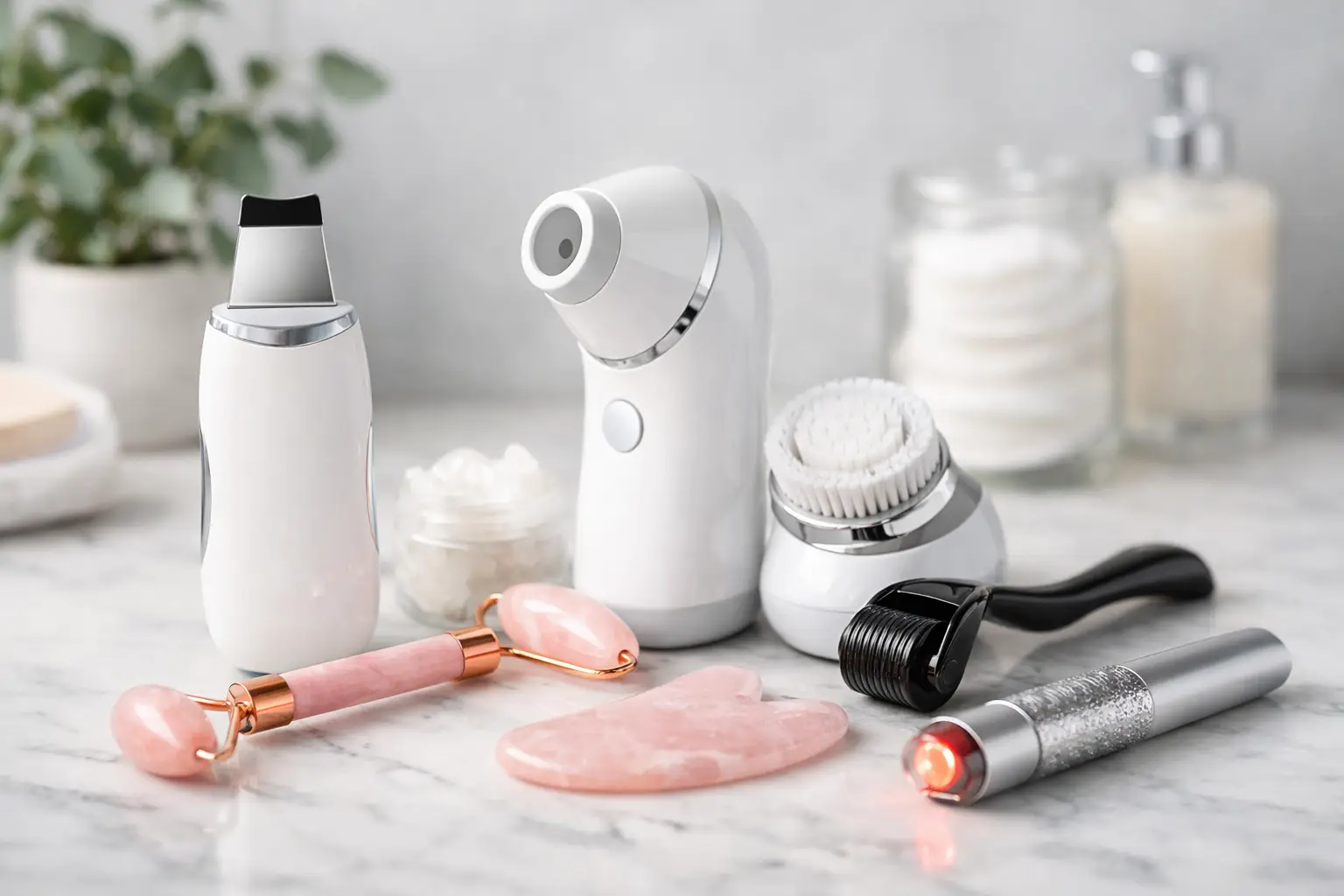
A sleek device on your bathroom counter can feel like a shortcut to better skin. But when every tool promises firmer, brighter, clearer results, the real question is simpler: which skincare tools actually work, and which ones just photograph well next to your serum bottle?
The answer is less glamorous than the marketing. Some tools do have a place in a refined, results-driven routine. Others can help, but only in narrow situations or with steady use. And a few are mostly selling the fantasy of transformation. If you want skin upgrades that feel worth the investment, it helps to know what each category can realistically do.
Which skincare tools actually work for real results?
The tools with the strongest case behind them tend to do one of three things. They either improve cleansing, support product penetration in a modest way, or use established technologies like LED light or microcurrent with consistent, realistic expectations. The key word is realistic.
No at-home device will replace prescription skincare, in-office treatments, or a disciplined daily routine. But some can elevate what you are already doing. Think of them as luxury performance pieces – not miracle workers.
LED light therapy masks
Among at-home beauty tools, LED masks have earned their popularity more than most. Red light is commonly used to support collagen production and reduce the appearance of inflammation, while blue light is often used for acne-prone skin because it targets acne-causing bacteria.
This does not mean every mask delivers the same result. Wavelength, power, session length, and consistency all matter. A well-made LED mask used several times a week can improve tone, calm post-breakout redness, and offer subtle support for firmness over time. The changes are usually gradual, not dramatic.
LED is best for someone who wants a polished, low-effort addition to a long-term routine. It is less ideal if you expect overnight lifting or if you are unwilling to use it consistently for weeks. The payoff is cumulative, which makes patience part of the price.
Microcurrent devices
Microcurrent tools are often marketed as a noninvasive lift, and that claim is partly fair. These devices use low-level electrical currents to stimulate facial muscles, which can create a more toned, temporarily sculpted look. Many users notice the most obvious effect right after treatment – cheekbones look a little sharper, the jawline a little tighter, and the face a little less puffy.
That immediate refinement is real, but it is also temporary unless you use the device regularly. Over time, consistent use may help maintain a firmer appearance, especially along the cheeks and jaw. Still, this is a maintenance tool, not a one-time transformation.
Microcurrent tends to suit people who enjoy ritual and don’t mind commitment. It also requires conductive gel and proper technique. If your routine already feels crowded, it may become the elegant device you rarely touch.
Cleansing brushes and silicone cleansing devices
These tools can work, but their value depends heavily on your skin type. A gentle silicone cleansing device can help remove sunscreen, excess oil, and makeup more effectively than hands alone. For oily or congestion-prone skin, that can translate into a cleaner feel and a smoother surface.
Traditional spinning brushes are more complicated. They can provide exfoliation, but they also increase the risk of irritation, especially for sensitive, rosacea-prone, or acne-inflamed skin. Over-cleansing is one of the fastest ways to sabotage the skin barrier, and many people use these devices with more pressure and frequency than their skin can comfortably handle.
For most people, a soft silicone option is the more sophisticated choice. It offers a cleaner finish without pushing the skin into constant recovery mode.
Which skincare tools actually work for texture and circulation?
This is where social media has made things murkier. A lot of tools in this category can make skin look better temporarily, but that is different from changing the skin in a lasting way.
Facial rollers and gua sha tools
Jade rollers, stainless steel rollers, and gua sha stones are not useless. They can reduce morning puffiness, support lymphatic drainage, and create a more sculpted appearance for a few hours. When used with a facial oil or serum, they also make a routine feel more elevated and intentional.
What they do not do is build collagen, erase deep wrinkles, or permanently contour your face. Their benefits are mostly about circulation, tension relief, and temporary de-puffing. That may still be worthwhile. Looking fresher before an event or easing jaw tension after a long day is a meaningful result, even if it is not a permanent one.
The trade-off is expectation. If you see these tools as ritual enhancers with visible but short-lived payoff, they can absolutely earn their place. If you buy them expecting structural change, disappointment usually follows.
Ice rollers and cooling tools
Cooling tools belong in a similar category. They can calm redness, reduce puffiness, and make skin feel tighter for a brief period. They are especially appealing after late nights, travel, workouts, or allergy flare-ups.
They do not treat acne, rebuild collagen, or fix underlying inflammation on their own. But for visible refreshment and a polished finish, they are effective. Think of them as skincare styling tools – excellent for presentation, limited for long-term correction.
Dermaplaning tools
At-home dermaplaning tools can work surprisingly well when used carefully. They remove fine facial hair and lift away some dead skin cells, which leaves skin smoother and makeup application noticeably cleaner. Skin often looks brighter immediately afterward.
The caution here is technique. Overuse can create irritation, and using a dull or unclean blade raises the risk of nicks and breakouts. Dermaplaning is also not ideal for everyone, especially if you have active acne or highly reactive skin.
Used occasionally and gently, it can be one of the more satisfying at-home tools because the payoff is visible right away. It just requires a steady hand and a little restraint.
The tools that tend to overpromise
Pore vacuums are a classic example of a tool that sounds more impressive than it performs. They may pull some surface debris from the skin, but they can also leave broken capillaries, bruising, and irritation if used aggressively. For blackheads and congestion, well-formulated salicylic acid and professional extractions usually make more sense.
Ultrasonic skin scrubbers can help loosen debris and exfoliate lightly, but results vary widely based on the device and the user’s technique. They are not a bad option, but they are often sold as more transformative than they are.
At-home microneedling rollers deserve the most caution. Professional microneedling can be effective in the right setting, but home versions bring hygiene and safety concerns. Too much pressure, poor sanitation, or improper use can damage the skin barrier and increase irritation. This is one category where the luxury move is not always DIY.
How to choose skincare tools that are worth buying
The smartest way to shop is to match the tool to a specific goal, not a vague desire for better skin. If your main concern is puffiness, a roller or gua sha tool may be enough. If you want support for acne or mild signs of aging, LED is more compelling. If you like visible short-term sculpting, microcurrent is more relevant.
It also helps to ask whether the tool fits your routine in real life. A premium device is only premium if you actually use it. The most effective skincare tool is often the one that delivers solid results with minimal friction.
Look for tools that are easy to clean, simple to store, and realistic for your schedule. Complicated setups tend to lose their appeal quickly. Elegant design matters, but function matters more.
And remember the foundation. If you are not consistent with sunscreen, cleanser, moisturizer, and targeted skincare ingredients, no device will compensate for that gap. Tools work best as an upgrade to a strong routine, not as a substitute for one.
The verdict on which skincare tools actually work
If you want the shortest answer, LED masks, microcurrent devices, gentle cleansing tools, and carefully used dermaplaning tools offer the clearest value for many people. Facial rollers, gua sha, and cooling tools also work, but mostly for temporary refinement rather than lasting correction. Pore vacuums and risky DIY treatments deserve much more skepticism.
That may sound less exciting than the promise of instant transformation, but it is actually better news. Real skin improvement usually comes from thoughtful consistency, not gadget overload. A beautifully chosen tool can add sophistication and performance to your routine, especially when it earns its space through results rather than hype.
If you are building a more elevated beauty ritual, choose one tool that matches your top concern and use it well. Skin tends to reward restraint, and the most luxurious routine is often the one that knows exactly what to leave out.













Leave a comment