
Guide to Luxury Living Room Decor That Lasts
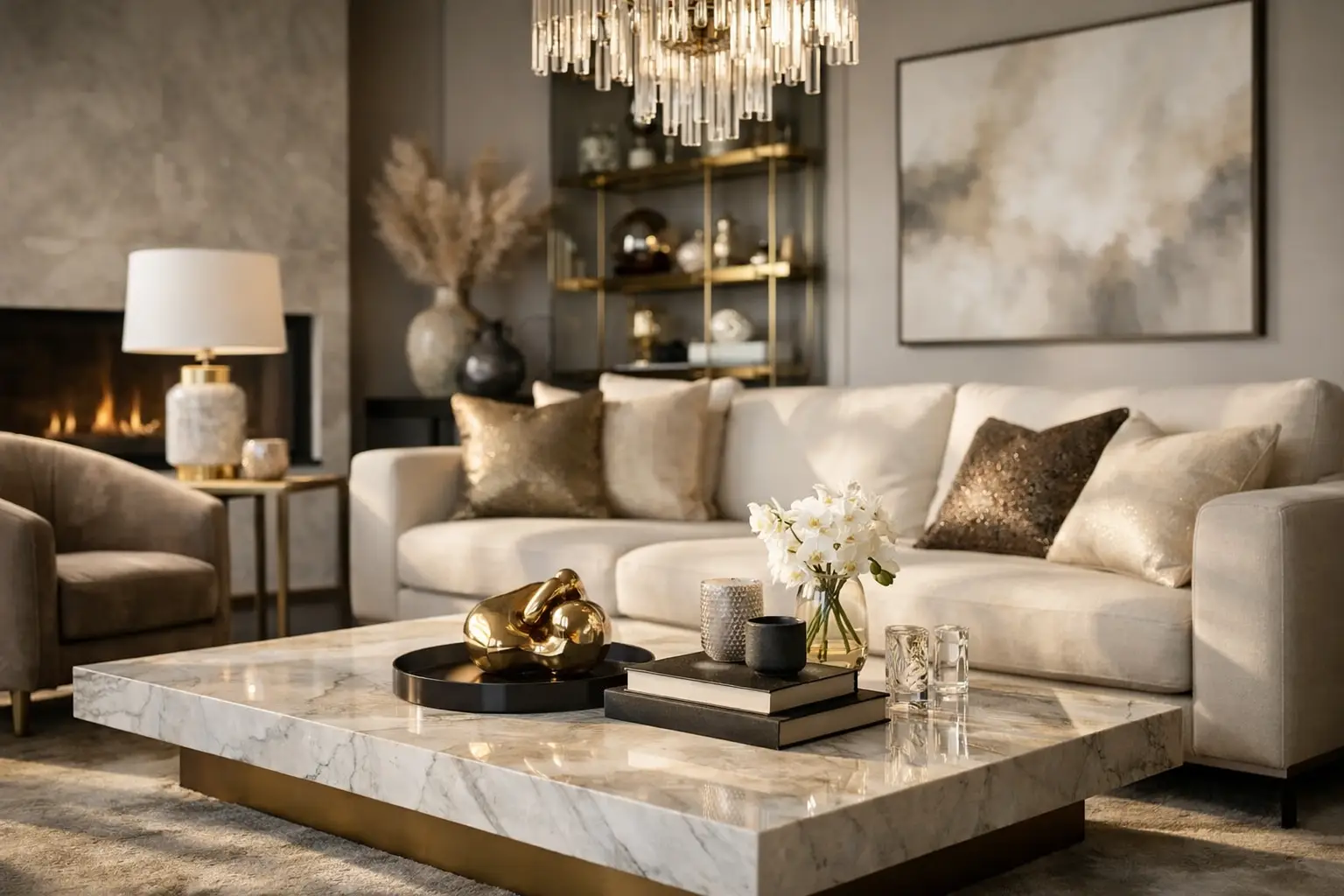
The most convincing luxury living rooms do not announce themselves with a crowded shelf of expensive objects. They feel composed the moment you enter: a sofa with presence, lighting that flatters the room after sunset, materials that invite a closer look, and enough open space for each detail to matter. This guide to luxury living room decor is built around that feeling – elevated, personal, and designed for real life.
Luxury is not a single price point or a rigid decorating style. A tailored contemporary apartment, a warm transitional family room, and a glamorous formal lounge can all look premium when proportion, material, and restraint lead the design. The goal is to create a room that feels collected rather than purchased all at once.
Begin With the Room’s Foundation
Before choosing accent pillows or display pieces, establish the large elements that determine how the room lives. Start with the seating layout, area rug, window treatments, and main lighting. These choices occupy the most visual space, so they have a greater effect on the finished look than a dozen small accessories.
Choose seating with a substantial silhouette and a fabric that holds its shape. A low, deep sofa can bring a relaxed, modern feel, while a structured sofa with clean arms reads more tailored. For many homes, a neutral performance fabric is a smart investment: it gives the room a polished foundation while standing up to pets, children, movie nights, and everyday use. Luxury should be enjoyed, not protected behind a closed door.
A generous rug is equally important. One of the quickest ways to make a living room feel less refined is using a rug that is too small for the furniture arrangement. Ideally, the front legs of the sofa and chairs should rest on it, creating one connected conversation area. Wool, wool blends, and low-pile textured rugs add warmth without competing with the rest of the room.
Use Scale to Create a Luxury Living Room
A premium room has visual confidence. That often comes from scale, not excess. One oversized artwork, a tall floor lamp, or a substantial coffee table usually creates more impact than several undersized pieces scattered around the room.
Look at the ceiling height, wall width, and footprint before you buy. In a compact apartment, a visually light sofa on raised legs and a glass or stone-top table can preserve openness. In a larger room, undersized furniture can look temporary. Consider a wide sectional, paired lounge chairs, or an oversized ottoman to give the layout the presence it needs.
The coffee table deserves special attention because it anchors the seating area. Stone, dark wood, fluted finishes, and rounded forms all offer an elevated look. Leave enough clearance to move around it comfortably, usually about 16 to 18 inches from the sofa. That balance between generous proportions and easy circulation is what makes a room feel considered rather than overfilled.
Layer Materials Instead of Matching Everything
Matching every finish can make a room feel flat. The more sophisticated approach is to layer complementary materials with different textures and temperatures. Think bouclé against smooth marble, walnut beside brushed brass, linen drapery near a lacquered console, or velvet cushions placed on a tailored cotton sofa.
Start with two or three anchor materials and repeat them with variation. For example, a warm wood coffee table can relate to a framed mirror, while antique brass appears in a lamp base and picture frames. The repetition creates cohesion. The variation keeps it interesting.
Texture is especially valuable in neutral rooms. Ivory, taupe, camel, charcoal, and soft gray can look exceptionally luxe when the surfaces are varied: nubby upholstery, a ribbed ceramic vase, a silk-blend pillow, or a handwoven throw. If the palette is restrained, texture gives the room depth without requiring more color.
Natural stone and solid wood bring instant character, but convincing alternatives can be a practical choice for busy homes or tighter budgets. A high-quality engineered stone table, for instance, may offer the look you want with easier maintenance. The distinction lies in the finish, weight, craftsmanship, and how thoughtfully it is paired with the rest of the room.
Choose a Color Story With Depth
Luxury color palettes are rarely random. They are edited, layered, and grounded by a clear point of view. Start with a base color that suits the light in your room, then add a deeper tone and one or two accents.
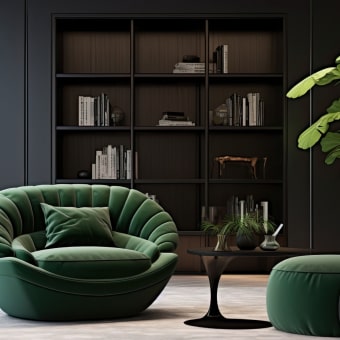
For a calm, modern look, pair warm white walls with mushroom, tobacco, and black accents. For richer drama, use deep green, navy, plum, or chocolate brown against cream upholstery and soft metallic details. A touch of burgundy or ochre can make a neutral room feel more fashion-forward, especially in pillows, art, or a single accent chair.
Keep the room from becoming overly coordinated by allowing subtle shifts in tone. A camel leather chair does not need to match a tan pillow exactly. In fact, slight variation gives the space a collected, designer-quality finish. Let the shared undertone do the work.
Make Lighting Part of the Decor
Overhead lighting alone rarely feels inviting. A luxury living room uses layers of light to shift the mood from bright and functional during the day to intimate and polished at night.
Begin with the room’s ambient light, then add table lamps, floor lamps, and, where appropriate, wall sconces. Sculptural lighting doubles as decor, especially when it introduces a material already used elsewhere in the space. A linen shade softens a sleek metal base; a globe lamp adds softness to a room with sharp-lined furniture.
Use warm bulbs, generally in the 2700K range, to keep the room flattering and comfortable. Dimmers are worth considering for a main fixture, because they give you control over the atmosphere. Bright light suits reading, entertaining, and family activity. Lower light makes the same room feel more relaxed and special.
Style the Details With Restraint
Accessories are where a living room becomes yours, but luxury styling depends on editing. Rather than filling every surface, create a few intentional moments: a stack of art books on the coffee table, a sculptural vessel on the console, or a tray that brings a candle, small box, and floral arrangement into one composed group.
Choose decor with tactile or personal value. Hand-finished ceramics, framed travel photography, vintage-inspired objects, and meaningful books bring more depth than generic filler. Fresh branches or a substantial arrangement of greenery also add life to polished interiors, especially when placed in a vessel with an interesting shape.
Pillows and throws should support the room’s palette while adding contrast. Mix a larger-scale pattern with solids and textures, but keep the total selection edited. On a standard sofa, three to five pillows often feel more luxurious than a crowded row. A draped throw in cashmere-like knit, mohair-inspired texture, or washed linen gives the room an inviting finish.
Give Technology a Place, Not the Spotlight
A beautiful living room still needs to work for streaming, charging devices, and family downtime. The key is integrating technology so it does not become the visual focal point. Use a media console that is wider than the television when possible, and choose one with concealed storage for remotes, gaming accessories, and cables.
Smart lighting, discreet speakers, and portable power solutions can make the room more convenient without compromising its look. Select finishes that complement the furniture, and keep cords managed. This is a small detail with an outsized effect: visual clutter can undercut even the most exquisite furnishings.
Invest Where You Touch and See Most
Not every item needs to be a splurge. The strongest budgets prioritize the sofa, rug, lighting, and window treatments because these pieces define comfort and visual impact. Save on decorative objects, side tables, and smaller accents that can be updated as your taste evolves.
If you are building the room gradually, buy fewer pieces with clearer purpose. A well-made sofa and beautiful lamp will make more of an impression than a fast collection of temporary furniture. Curated finds from Bluurban can help bring together premium-looking finishes and practical home essentials while leaving room for your individual style.
A luxurious living room should feel like the best version of how you already want to live: comfortable enough for a slow Sunday morning, polished enough for guests, and personal enough that no one could mistake it for a showroom.








Leave a comment