
Designer Fashion Versus Fast Fashion
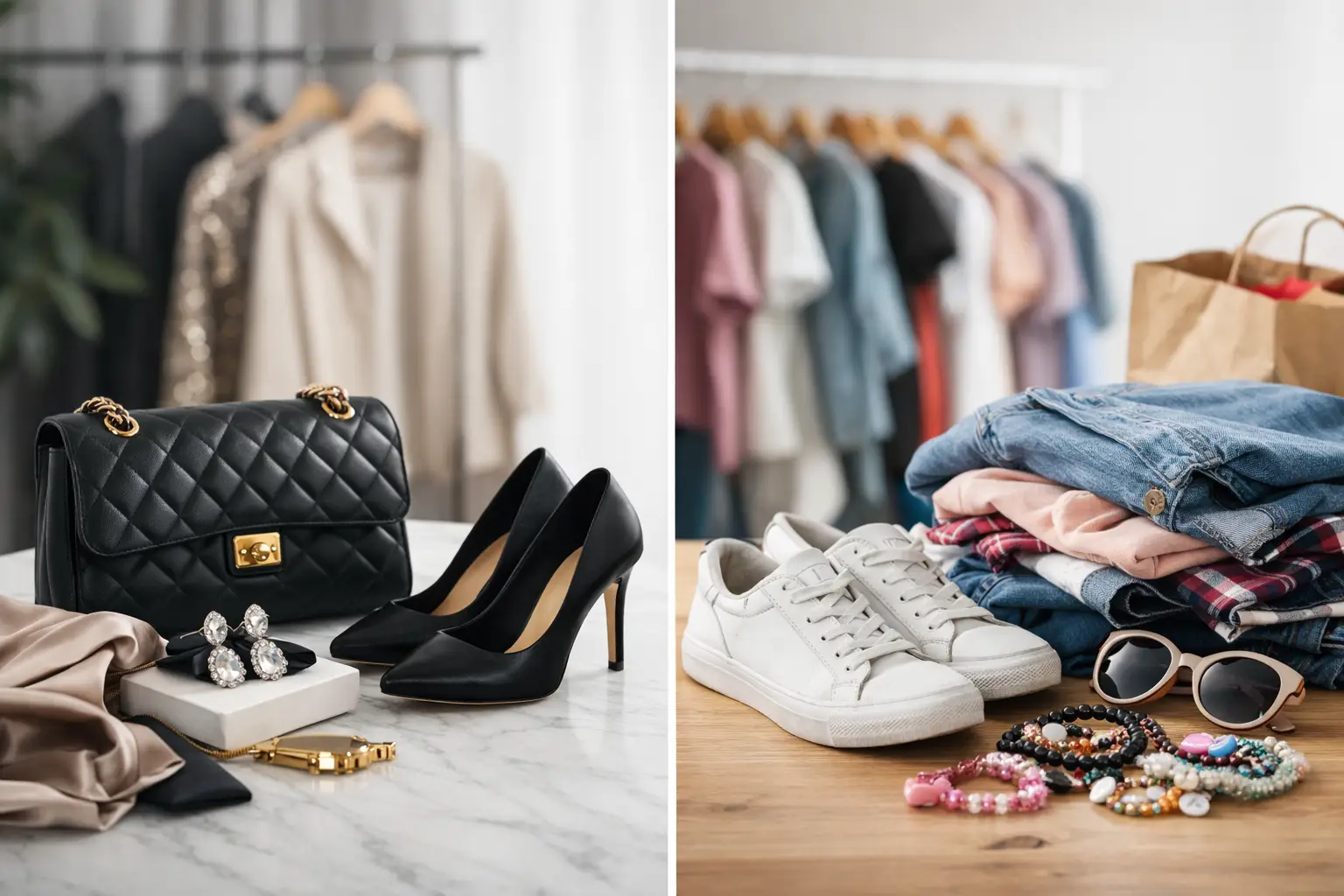
One dress is $38 and trending for the week. Another is $480, impeccably cut, and still looks relevant five years later. That tension sits at the heart of designer fashion versus fast fashion, and for most shoppers, the real question is not which side is morally pure or more stylish. It is which one actually makes sense for your wardrobe, your budget, and the way you live.
For a style-conscious shopper, this is less about labels and more about value. The smartest closets are rarely built from one extreme. They are edited with intention, balancing standout pieces, practical basics, and purchases that feel as good after the checkout moment as they do in the mirror.
What designer fashion versus fast fashion really means
Designer fashion typically refers to pieces created with a stronger emphasis on original design, premium materials, craftsmanship, and brand identity. That can mean luxury houses, independent designers, or premium contemporary labels. The common thread is that design and construction tend to come first, with lower production volume and more attention paid to fit, fabric, and finish.
Fast fashion works on a different model. It is built for speed, trend turnover, and affordability. Brands in this space move quickly from runway inspiration or viral aesthetics to retail racks, often producing large volumes at lower prices. For shoppers, the appeal is obvious: immediate access to current looks without the financial commitment of a designer purchase.
Neither category is automatically perfect or automatically flawed. Designer does not always guarantee timelessness, and fast fashion is not always disposable after one wear. The difference is usually found in how a garment is made, how long it is expected to last, and what role it plays in your wardrobe.
The real difference comes down to cost per wear
Sticker price tells only part of the story. A fast fashion blazer at $60 can feel like a win until the shoulders lose shape, the lining snags, and the fabric starts to pill after a season. A designer blazer at $400 may seem excessive at first glance, but if it fits beautifully and carries your look for years, the long-term value changes.
This is where cost per wear becomes more useful than price alone. If you wear something often, quality matters more. A beautifully made coat, leather bag, or tailored trouser can justify a premium because it becomes part of your regular rotation. The opposite is also true. If you want to experiment with a color trend or a silhouette you are unsure about, spending less can be the smarter move.
The most refined approach is not to spend more on everything. It is to spend well where it counts.
Where designer fashion tends to earn its price
Fabric is one of the clearest differentiators. Higher-end garments often use better fibers, better weight, and better finishing. You can usually feel it immediately in a knit that holds shape, a cotton shirt with structure, or a dress that drapes cleanly rather than clinging in the wrong places.
Construction matters just as much. Stronger seams, more precise tailoring, quality hardware, and thoughtful lining can change how a piece wears over time. The garment looks better on the body, and it usually survives repeated use more gracefully.
Then there is design integrity. Designer pieces often offer proportion, detail, and silhouette that feel considered rather than simply copied. That does not mean every luxury item is worth the markup, but when a piece is truly well designed, it tends to keep its appeal beyond one short trend cycle.
Where fast fashion still serves a purpose
Fast fashion can be practical when you want flexibility. It gives shoppers room to test trends, refresh seasonal items, or solve a short-term wardrobe need without overspending. If you need a vacation look, a statement top for an event, or an on-trend style you are not ready to invest in, a lower price point can make sense.
It also opens the door to style experimentation. Not every purchase needs to become a forever piece. Fashion should have room for play, and fast fashion often meets that need better than designer labels do.
The catch is knowing when low price becomes false economy. If a piece warps after two washes or never quite fits right, the convenience fades quickly.
Quality, ethics, and the hidden price of cheap clothing
A polished wardrobe is not only about appearance. It is also about what sits behind the garment. Fast fashion has been widely criticized for overproduction, waste, and labor concerns. The speed that keeps prices low often places pressure on supply chains, materials, and manufacturing standards.
Designer fashion is not automatically ethical either. A high price tag does not guarantee responsible sourcing or fair labor. Some luxury brands manufacture thoughtfully and invest in craftsmanship. Others rely heavily on brand prestige and marketing while offering little transparency.
That is why thoughtful shopping matters more than category loyalty. Look at fabric composition, country of origin, care requirements, and brand practices whenever possible. Natural fibers, durable construction, transparent sourcing, and realistic care instructions are often better indicators than the label alone.
For many shoppers, the most sustainable purchase is the one that gets worn repeatedly. A less expensive item that serves you well for years can be a better choice than a premium item bought for status and ignored after two outings.
How to decide what deserves designer and what does not
The easiest way to shop this well is to separate your wardrobe into investment pieces and flexible pieces. Investment pieces are the items you wear on repeat and need to perform. Think coats, bags, boots, denim, suiting, and elevated everyday layers. These are the categories where better materials and fit usually pay off.
Flexible pieces are where trend, mood, and seasonality matter more. A mesh top, a color-of-the-moment sandal, or a vacation set may not need heirloom-level construction. In those cases, fast fashion or lower-priced contemporary brands can fill the gap without compromising your overall wardrobe.
A useful test is simple: ask whether you want the item for identity or for novelty. If it reflects your core style and will anchor multiple looks, quality deserves more weight. If it is mainly for a moment, keep the spend controlled.
A smarter wardrobe mix
Most stylish closets are built with contrast. A premium handbag can elevate an affordable dress. A beautifully tailored jacket can make simple basics look intentional. A designer shoe paired with clean, accessible essentials often feels more modern than a head-to-toe logo look.
This is where a curated retail mindset becomes valuable. You do not need a luxury-only budget to create a high-end effect. You need discernment. Prioritize silhouette, material, and versatility. Shop for pieces that work across settings, not just in a single social post.
For shoppers who want premium style without wasteful spending, that middle path is often the sweet spot. It delivers sophistication without the pressure of buying everything at the highest price point.
Designer fashion versus fast fashion in daily life
In real life, your wardrobe has to do more than photograph well. It has to survive commutes, weekends, weather shifts, dinners out, and the occasional last-minute event. That reality changes the designer fashion versus fast fashion debate.
If your lifestyle is hard on clothing, durability becomes practical, not indulgent. If you work in a setting where polish influences confidence or professional presence, designer or premium pieces can offer an advantage because they fit better and wear better. If your style changes often or your budget is tight, strategic fast fashion can keep your wardrobe current while you invest more selectively over time.
Bluurban’s audience understands this instinctively. Elevated living is not about excess. It is about choosing well, mixing beautifully, and making everyday purchases feel more considered.
The best question to ask before you buy
Instead of asking whether something is designer or fast fashion, ask whether it earns its place. Does it fit your life? Will you want to wear it next season? Does the quality support the price? Can you style it at least three ways with what you already own?
That question cuts through a lot of noise. It moves you away from impulse and closer to a wardrobe that feels edited, personal, and effortlessly refined.
There is no prize for shopping only luxury, and there is no shame in wanting an accessible price. Style gets more interesting when it is thoughtful. Buy the designer piece when craftsmanship, longevity, and fit truly matter. Choose fast fashion carefully when experimentation, timing, or budget call for it. The goal is not to pick a side. The goal is to build a closet that looks elevated, works hard, and still feels like you long after the trend has moved on.









Leave a comment