
How to Create a Smart Home Starter Kit
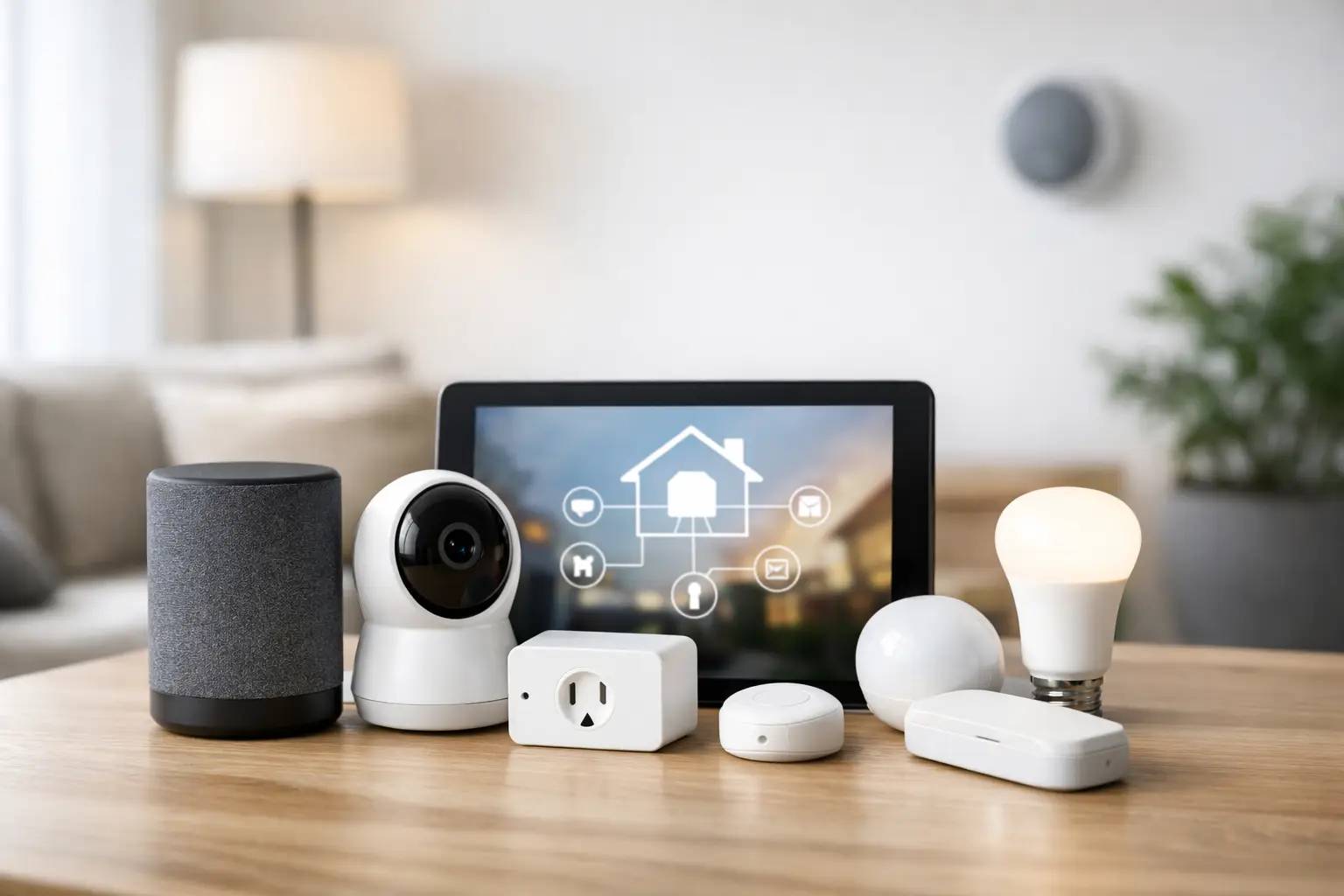
A smart home usually goes wrong in one of two ways: it becomes a pile of gadgets that barely work together, or it turns into an expensive project you never quite finish. If you’re figuring out how to create a smart home starter kit, the goal is much simpler. You want a setup that feels polished, useful, and easy to live with from day one.
The best starter kit is not the one with the most devices. It is the one that solves a few everyday frustrations beautifully. Think lighting that adjusts without effort, a doorbell that gives you more peace of mind, or a speaker that controls your morning routine while keeping counters clear and your space visually calm.
How to create a smart home starter kit without wasting money
Start with your lifestyle, not the tech specs. A one-bedroom apartment and a busy family home can both benefit from smart devices, but the right first purchases will look different. If you rent, easy-install products such as smart bulbs, plugs, and speakers make more sense than hardwired switches or integrated security systems. If you own your home, you may want a more permanent foundation.
It also helps to pick one or two priorities. Most people care about convenience, security, energy savings, or ambiance. You do not need to build all four at once. A refined smart home feels curated, not crowded.
Compatibility matters more than people expect. Before buying anything, choose the ecosystem you want at the center of your home. For many shoppers, that means deciding between Amazon Alexa, Google Home, or Apple Home. None is perfect for everyone.
Alexa usually offers broad device support and easy setup, which makes it appealing for beginners. Google Home is strong for voice search and everyday usability. Apple Home tends to attract buyers who want tighter privacy controls and a cleaner experience across Apple devices, though compatible accessories can be more selective. If your household already leans heavily into one brand, that is often the smartest place to begin.
The core pieces in a smart home starter kit
A stylish, practical starter kit usually begins with five categories: a control point, lighting, power, security, and one device that adds comfort. That combination gives you a home that feels noticeably smarter without turning every room into a project.
1. A smart speaker or display
This is the command center for most first-time setups. A compact smart speaker lets you control lights, plugs, routines, timers, music, and basic questions with your voice. A smart display adds visual convenience, which can be especially useful in the kitchen, entryway, or bedroom.
If aesthetics matter in your space, this category deserves more attention than people often give it. The device will be visible every day, so it should complement your home rather than interrupt it. Neutral finishes, clean lines, and a compact footprint usually age better than trend-driven designs.
2. Smart lighting
Lighting delivers the fastest payoff. It changes the mood of a room, cuts small daily annoyances, and makes routines feel intentional. For most starter kits, smart bulbs are the easiest entry point. You can schedule them, dim them, change warmth levels, and control them remotely.
That said, bulbs are not always the best long-term choice. If several people use a wall switch, smart bulbs can become frustrating when power gets cut manually. In homes where lighting is a daily focal point, smart switches may be the better investment. They cost more upfront and may require installation, but they often feel more natural over time.
For a first setup, focus on the spaces you use most. The living room, bedroom, and entryway usually offer the biggest return. A soft wake-up scene in the morning and an automatic evening lighting routine can make a home feel far more elevated than a complicated whole-house setup.
3. Smart plugs
Smart plugs are understated, but they are one of the most versatile additions in a starter kit. They can turn lamps, coffee makers, fans, or seasonal lighting into controllable devices without replacing the products you already own.
This is where budget-conscious shopping becomes smart shopping. Instead of upgrading every item, you upgrade the experience around it. A beautiful table lamp with a smart plug often delivers more value than buying a new connected lamp just for the app features.
4. A video doorbell or indoor camera
If security is one of your top priorities, this should be one of your first purchases. A video doorbell is especially useful because it adds awareness without changing how you live. You can see deliveries, check visitors, and get alerts when motion is detected.
Indoor cameras can also work well, especially for pet owners, parents, or frequent travelers, but they come with more privacy considerations. That is one of the biggest trade-offs in any smart home setup. More visibility can bring more comfort, but only if you trust the platform, understand data settings, and place devices thoughtfully.
5. A smart thermostat or comfort device
This final category depends on your home. If you control your HVAC system and want energy savings, a smart thermostat can be an excellent next step. If that feels too advanced for your first round, choose a simpler comfort-focused addition such as a smart air purifier, humidifier, or bedroom device that supports better sleep.
A starter kit should feel personal. Convenience is great, but comfort is what makes the system feel worth keeping.
How to choose the right products for your space
The easiest mistake is buying on features alone. The better approach is to ask how each device will fit into your home visually and practically. A premium home experience is about function, but it is also about flow.
In smaller apartments, compact devices matter. Clutter builds quickly when every product needs a hub, a charger, or shelf space. In larger homes, signal strength and coverage become more important, so placement matters just as much as product selection.
Wi-Fi reliability is another overlooked detail. If your connection struggles now, adding more devices will not improve the situation. For many households, a strong router or mesh system is part of the real starter kit, even if it is not the most exciting purchase.
You should also pay attention to subscription models. Some cameras, doorbells, and security devices charge monthly fees for video history or advanced alerts. That does not automatically make them a bad choice, but it changes the long-term value. A lower-priced device with an ongoing subscription can end up costing more than a premium option with fewer recurring fees.
Build routines early, not later
A smart home does not feel smart because you can control devices one by one. It feels smart when your home responds in ways that save time and reduce friction.
That is why routines matter so much. Start with two or three that fit your real schedule. A good morning routine might turn on bedroom lights gradually, start a kitchen speaker, and switch on a coffee station plug. An evening routine could dim the living room, turn on the porch light, and lock in a calmer atmosphere before bed.
You can also create an away routine that turns selected lights on and off while sending camera alerts. The effect is both practical and polished. Your home feels considered rather than automated for the sake of novelty.
A realistic budget for your first setup
You do not need a luxury-level spend to create a beautiful entry point. A starter kit can begin with a smart speaker, a few bulbs or switches, two smart plugs, and a basic security device. That is enough to create daily impact.
If your budget is tighter, begin with lighting and plugs. They offer the strongest mix of style, convenience, and flexibility. If your budget is more generous, add a video doorbell and thermostat for a more complete foundation.
What matters most is pacing. Buy in layers. Live with each addition for a week or two, then decide what would genuinely improve the experience next. This is how you avoid building a mismatched setup full of impulse buys.
The smartest first step is restraint
When people think about how to create a smart home starter kit, they often picture a fully connected house. In reality, the most elegant setup starts small and works beautifully. One voice assistant, better lighting, a few smart plugs, and a well-chosen security device can change how your home feels every day.
If you want the experience to feel elevated, treat it the same way you would any well-designed space. Choose devices that work together, look intentional, and solve real needs. Bluurban’s approach to modern living leans into exactly that idea – thoughtful upgrades that bring style and function into better alignment.
A smart home should not feel like a tech experiment. It should feel like your home, only easier, calmer, and a little more refined.











Leave a comment