
Portable Power Station vs Generator
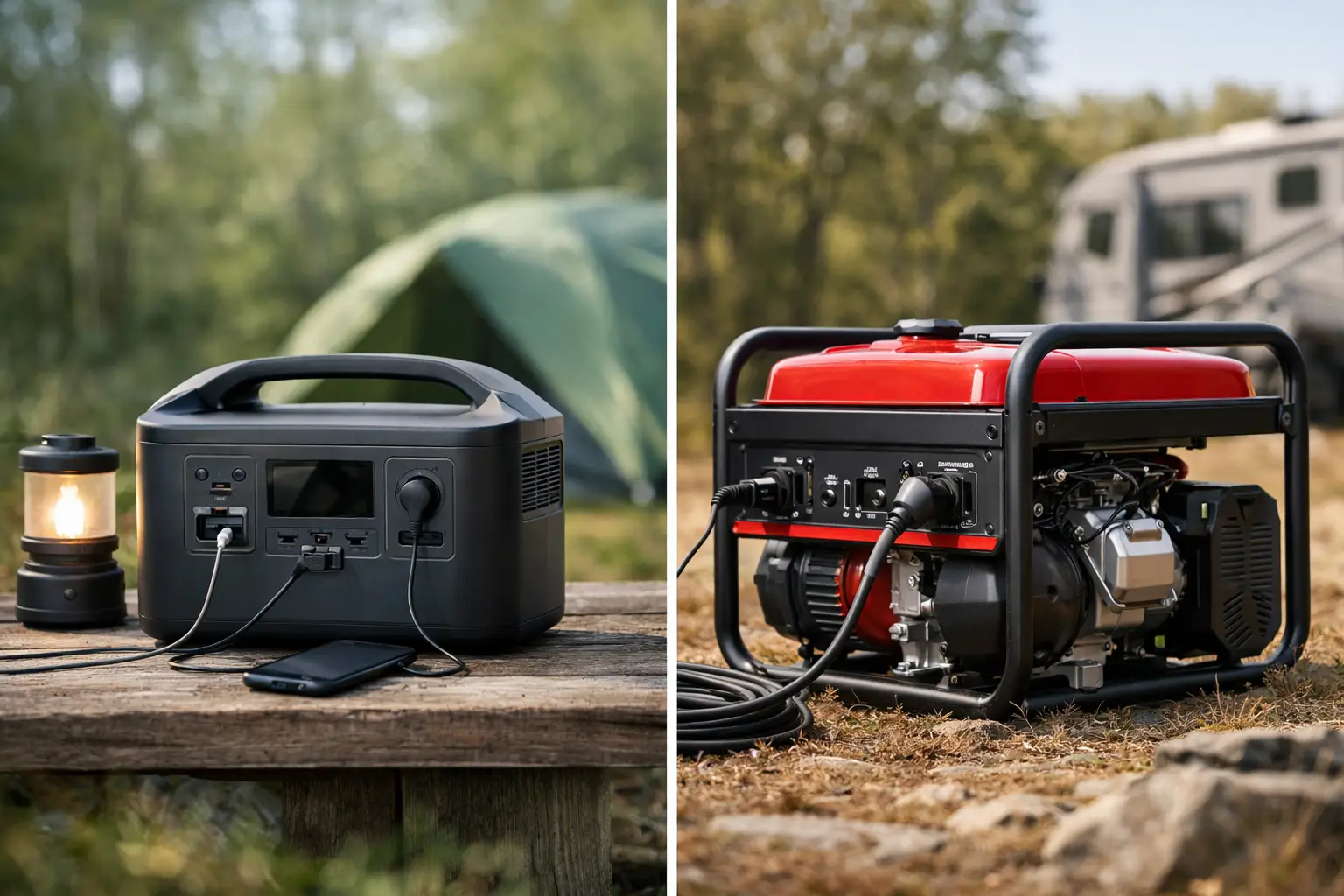
The lights flicker, your Wi-Fi drops, and suddenly the question stops being theoretical. Portable power station vs generator is really about how you want backup power to fit into your life – quietly in the background, or with maximum output when the stakes are higher.
For many shoppers, the decision is no longer just about emergency prep. It is about comfort, flexibility, and choosing equipment that matches the way you live, whether that means keeping a modern apartment running through an outage, powering a weekend campsite, or protecting your home office from disruption. Both options can be smart. The better choice depends on what you need to run, how long you need to run it, and how much convenience matters to you.
Portable power station vs generator: the core difference
A portable power station stores electricity in a battery and delivers it through outlets, USB ports, and sometimes DC connections. You charge it from a wall outlet, your vehicle, or compatible solar panels. There is no gasoline, no engine, and very little day-to-day maintenance.
A generator creates electricity on demand by burning fuel, usually gasoline, propane, diesel, or dual-fuel combinations. It is built for higher output and longer runtimes as long as fuel is available. That extra muscle comes with trade-offs, including noise, emissions, and more upkeep.
If you want the cleanest way to keep phones, laptops, lights, routers, small appliances, and select electronics running, a portable power station often feels like the more elevated solution. If you need to power a sump pump, refrigerator, power tools, or multiple major household loads for an extended outage, a generator may still be the more practical answer.
Where portable power stations stand out
The strongest appeal of a portable power station is ease. You can use one indoors without fumes, carry it into a bedroom or office, and recharge it before storm season so it is ready when you need it. For apartment dwellers, condo owners, RV travelers, and anyone who values low-maintenance gear, that convenience is hard to overstate.
Noise is another major advantage. Most portable power stations operate silently or with only a faint fan sound under load. That matters if you are working remotely, sleeping nearby, camping, or simply trying to keep your space calm rather than chaotic.
They also pair beautifully with the way many people use technology now. USB-C charging, app monitoring, pass-through charging, and solar compatibility make them feel current rather than purely utilitarian. For style-conscious shoppers who prefer products that blend performance with a cleaner, more refined user experience, portable power stations have real appeal.
The catch is capacity. A compact unit might keep your phone, laptop, modem, and a lamp going for hours, but it will not replace whole-home backup. Even larger battery stations have limits, especially with high-wattage appliances that use heating elements or compressor motors.
Where generators still win
Generators are built for heavier demand. If your priority is raw output, they usually offer more wattage for the price. That makes them well suited for construction sites, tailgates with serious equipment, larger RV setups, and homes that need to support refrigerators, freezers, pumps, or multiple appliances during a blackout.
They are also easier to stretch over long outages if fuel is on hand. A battery eventually needs recharging. A generator can keep going as long as you can refuel it safely. In regions with severe storms, hurricanes, or winter outages that may last for days, that matters.
Then there is surge power. Appliances with motors often need a higher burst of power at startup than they do while running. Generators generally handle these surges better, especially in the mid-size and larger categories. If you have a clear need for demanding equipment, a generator can offer more confidence.
Still, the power comes at a price beyond the checkout screen. Generators are louder, heavier, and less convenient to store and use. They require fuel management, periodic maintenance, and careful placement outdoors for safety. They are effective, but not exactly effortless.
Power needs matter more than product category
The smartest way to shop is to start with what you actually need to power. A portable power station can be more than enough for essentials like phones, tablets, laptops, CPAP machines, routers, fans, LED lighting, cameras, and small TVs. Some larger models can also handle mini fridges, portable coolers, or coffee makers in short bursts, though runtime may drop quickly.
A generator makes more sense when the list includes full-size refrigerators, microwaves, window AC units, electric grills, shop tools, or backup circuits in your home. If you are trying to preserve food, maintain comfort, and support a family through a prolonged outage, the extra capacity becomes less of a luxury and more of a requirement.
This is where many buyers miscalculate. They focus on the battery size or generator label without checking running watts, surge watts, and realistic runtime. The better purchase is the one that covers your actual use case with a bit of breathing room.
Noise, fuel, and everyday livability
This is where the lifestyle gap becomes obvious. A portable power station is easy to live with. Store it in a closet, charge it once a month or before travel, and use it inside when the grid goes down. There is no fuel odor, no pull-start, and no concern about disturbing neighbors in a tight residential setting.
A generator is more demanding. You need fuel, safe outdoor clearance, and regular testing so it works when you need it. It also announces itself. Even inverter generators, which are quieter than traditional models, produce a steady engine sound. For some buyers that is a minor issue. For others, especially in apartments, townhomes, or peaceful campsites, it changes the entire experience.
If convenience, portability, and a cleaner setup are high on your list, portable power stations feel more aligned with modern living. If performance under pressure is the top priority, a generator may justify the trade-off.
Safety and maintenance are not small details
Portable power stations are generally simpler and safer for indoor use because they do not produce exhaust. That makes them especially attractive for families, small-space living, and backup situations where ease of use matters. You still need to follow charging and storage guidelines, but the learning curve is lighter.
Generators require more discipline. They must be used outdoors and away from doors, windows, and vents because carbon monoxide is a real hazard. Fuel storage adds another layer of responsibility. Maintenance includes oil changes, engine checks, and occasional servicing.
For many households, that difference alone is enough to steer the decision. The more often you expect to use the unit, the more valuable low-maintenance ownership becomes.
Cost is more nuanced than it looks
At first glance, a generator can offer more wattage for less money. That is one reason it remains a compelling option. But upfront price is only part of the story.
Portable power stations often cost more per watt, especially premium models with fast charging, app controls, and solar capability. Yet they can cost less to own over time because there is no fuel, minimal maintenance, and less wear from mechanical components.
Generators may be cheaper initially for the amount of power you get, but fuel costs, maintenance supplies, and potential repairs add up. If you only need occasional backup for electronics and small essentials, buying more machine than you truly need can be inefficient.
This is where premium shopping becomes smarter shopping. The best value is not always the lowest price tag. It is the product that fits your routine with the least friction.
Which one is right for your lifestyle?
If your world revolves around flexible, on-the-go power for travel, remote work, camping, apartment backup, or elegant emergency readiness, a portable power station is usually the better fit. It is quiet, clean, easy to use, and well suited to electronics-heavy households.
If your priority is extended outage protection, high-demand appliances, outdoor job sites, or serious power capacity at a more accessible cost-per-watt, a generator remains the stronger contender.
There is also a middle ground. Some households keep both. A portable power station handles indoor essentials and everyday convenience, while a generator covers major loads when outages stretch on. For shoppers building a more resilient setup, that layered approach can feel especially well considered.
At Bluurban, that is really the lens worth keeping – not just what powers on, but what supports a more polished, prepared, and comfortable way of living. Choose the option that feels right when the power is out and when life is running beautifully as usual.













Leave a comment