
Modern Luxury Furniture for Apartments
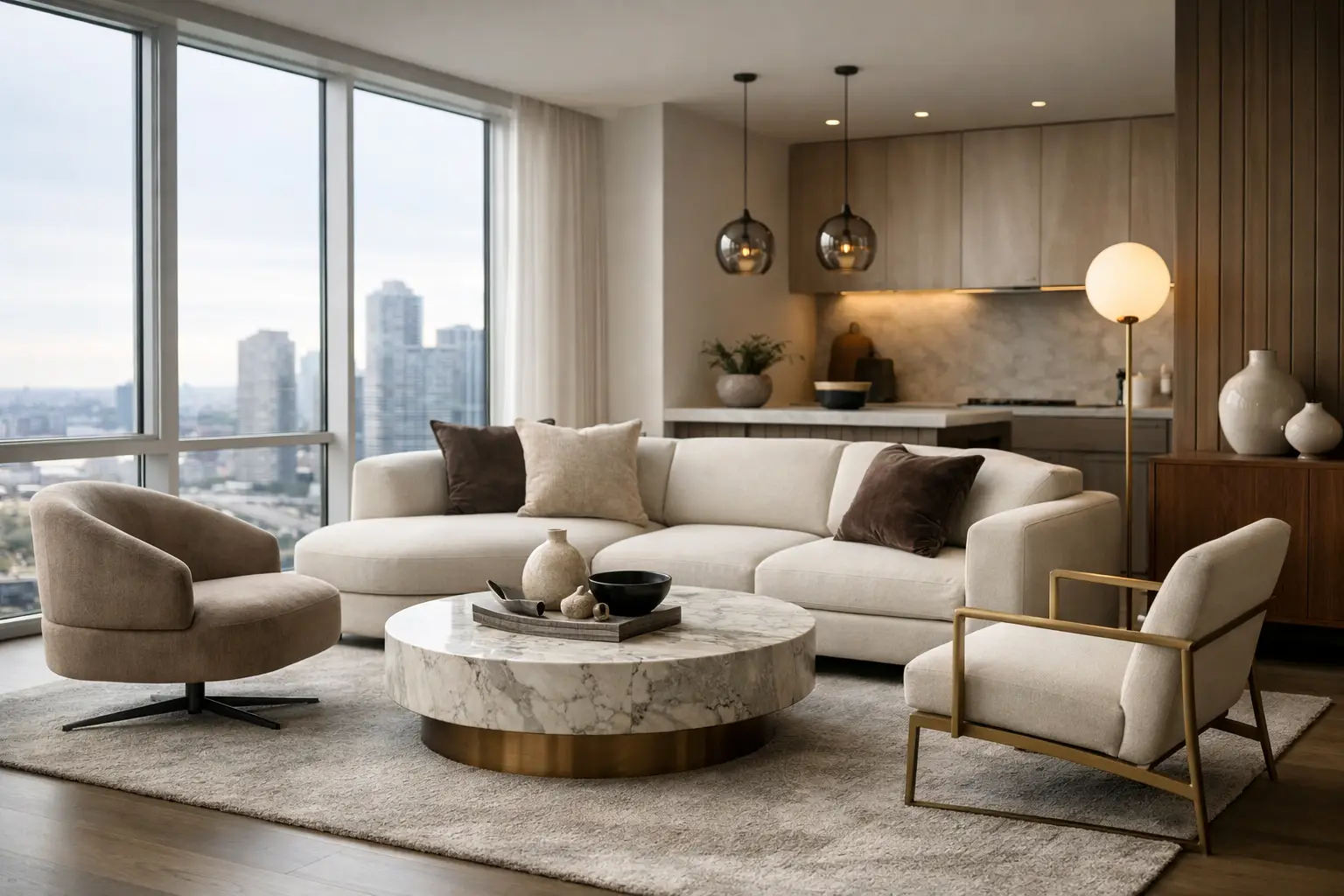
A sculptural sofa that looks perfect in a showroom can feel oversized the second it lands in a city apartment. That is the real challenge with modern luxury furniture for apartments – not finding beautiful pieces, but choosing pieces that deliver polish, comfort, and presence without overwhelming the room.
Luxury in an apartment has its own rules. It is less about excess and more about precision. The right apartment interior feels edited, layered, and intentional. Every silhouette matters. Every finish is visible. And because square footage is limited, each piece has to earn its place both visually and practically.
What modern luxury furniture for apartments really means
In a smaller home, luxury is rarely about filling space. It is about elevating it. Modern design brings clean lines, restrained forms, and visual calm. Luxury adds tactile richness, better construction, and a level of detail that makes the room feel considered instead of temporary.
That combination works especially well in apartments because it avoids the heaviness of traditional statement furniture. Think tailored upholstery instead of bulky overstuffed seating, stone or smoked glass instead of ornate wood carving, and warm metals or richly finished oak instead of anything too decorative. The result feels upscale, but still easy to live with.
There is also a practical side to this style. Apartment living often means open layouts, shared sightlines, and rooms that need to perform multiple jobs. Modern luxury furniture supports that reality because it tends to be streamlined, versatile, and visually lighter than more formal styles.
Start with scale before style
The fastest way to make an apartment feel less luxurious is to ignore proportion. Even premium pieces can look awkward if they are too deep, too tall, or too visually dense for the room.
A sofa with slim arms often gives you more seating without taking over the floor plan. A dining table with rounded edges moves better in tighter walkways than a chunky rectangular design. Beds with refined headboards and low-profile frames tend to make bedrooms feel larger, especially when ceilings are not dramatic.
This is where apartment shoppers need to be selective. Oversized furniture can photograph well, but real-life comfort depends on clearance, movement, and line of sight. Leave enough breathing room around anchor pieces so the apartment feels composed rather than crowded. In a luxury setting, negative space is part of the design.
Choose pieces with visual lift
Furniture that sits directly on the floor can sometimes feel heavy in a compact layout. Pieces with legs, open bases, or floating forms create more visual air. That matters in apartments where one large object can influence the entire room.
A console with a metal frame, a coffee table with a glass top, or a media unit with a raised base can all make a room read lighter. The effect is subtle, but it creates the kind of clean, elevated look that modern interiors do well.
Materials are where luxury becomes visible
In apartment design, people notice materials up close. There is less distance between the furniture and the person using it, which means texture and finish matter even more.
Boucle, velvet, performance linen, full-grain leather, marble-look stone, walnut veneer, brushed brass, and matte black accents all bring that refined edge. The key is balance. If every surface competes for attention, the apartment can start to feel staged instead of sophisticated.
A better approach is to build a quieter palette and let a few materials stand out. For example, a cream sofa, dark wood side table, and fluted cabinet can feel far more premium than a room full of loud finishes. Luxury often reads strongest when it is controlled.
That said, there are trade-offs. Marble and genuine stone are beautiful, but they can be heavy and less forgiving. Velvet looks rich, but it may require more care in homes with pets or children. Leather ages well, though some shoppers prefer softer textiles in smaller spaces to keep the atmosphere relaxed. The right choice depends on how formal or livable you want the apartment to feel.
Invest in the pieces that carry the room
Not every item needs to be a centerpiece. In most apartments, luxury feels strongest when you invest in the pieces your eye lands on first.
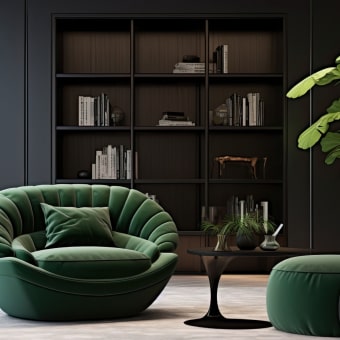
The sofa is usually at the top of that list. It defines the tone of the living area and often serves as the visual anchor in an open-concept layout. A beautifully shaped sofa in a premium fabric can elevate the entire apartment, even if the surrounding accents are simpler.
The dining area comes next, especially in apartments where the table doubles as a workspace, entertaining zone, and daily gathering spot. A pedestal table, sculptural dining chairs, or a compact stone-top design can instantly sharpen the room.
In the bedroom, the bed should do most of the aesthetic work. An upholstered headboard, tailored bench, or elegant nightstands can create a boutique-hotel feel without adding visual clutter. If the budget is limited, prioritize the bed and lighting before smaller decorative pieces.
Accent furniture should add contrast, not noise
Once the foundation is strong, accent furniture can bring depth. This is where curves, mixed finishes, and statement shapes work best.
A single lounge chair in caramel leather, a ribbed side table, or a dramatic floor mirror can add personality without pushing the room off balance. The trick is restraint. In an apartment, two standout accent pieces often do more than six competing ones.
Multifunction matters, but it still has to look expensive
Apartment shoppers usually need furniture to do more than one thing. The challenge is finding multifunctional pieces that do not look overly utilitarian.
Storage ottomans, nesting tables, extendable dining tables, beds with concealed drawers, and sleek desks that blend into the living area all make sense. But design still matters. If a piece solves a problem and looks refined, it supports the luxury feel. If it looks temporary or overly mechanical, it can flatten the room.
This is where curated shopping helps. A premium marketplace like Bluurban speaks to that exact balance – elevated presentation, apartment-friendly function, and accessible ways to bring a more polished look home.
Color should calm the space, not shrink it
Modern luxury furniture for apartments usually works best in a palette that feels soft, layered, and intentional. Warm neutrals, charcoal, taupe, ivory, greige, espresso, black, and muted earth tones tend to hold their elegance over time.
That does not mean every apartment should be beige. It means the core furniture should create cohesion. Then you can add selective contrast through art, lighting, textiles, or one signature color such as olive, rust, deep blue, or oxblood.
Smaller apartments often benefit from tonal design, where furniture and walls sit in a related color family. That approach reduces visual fragmentation and makes the space feel larger. High contrast can be striking, but in a tight room it can also make the layout feel busier.
Let lighting finish the look
Even the best furniture loses impact under harsh overhead light. Apartments need layered lighting to bring out material depth and shape.
Table lamps, sculptural floor lamps, wall-adjacent sconces, and warm bulbs create a softer atmosphere and make finishes look richer. This is especially useful with luxe textures like velvet, brushed metal, and wood grain, which all show better under warm ambient light.
Lighting is also one of the easiest ways to make a rental feel custom. You may not be able to change the architecture, but you can absolutely change how the apartment feels at night.
How to avoid the showroom look
One of the biggest mistakes in apartment design is buying everything in a matching set. It feels safe, but it rarely feels luxurious. Real sophistication comes from contrast and curation.
Pair a streamlined sofa with a more organic coffee table. Mix upholstered dining chairs with a clean-lined table. Combine a contemporary bed with vintage-inspired lighting. These combinations make the apartment feel collected, not copied.
There is a difference between consistency and sameness. A consistent apartment shares a mood, a palette, and a level of quality. A same-same apartment feels flat. Modern luxury lives in the tension between clean structure and lived-in character.
The smartest apartment luxury feels personal
A refined apartment should look like it was designed for the person living there, not just for a product page. That means making room for your habits and priorities. If you host often, invest more in dining and occasional seating. If your living room is where you work and unwind, focus there first. If your bedroom is your retreat, let that be the most elevated room in the home.
The best furniture choices are not always the most expensive ones. They are the ones that fit the scale of the apartment, align with how you live, and bring a sense of finish to everyday routines. That is what makes a space feel truly premium.
A well-furnished apartment does not need more pieces. It needs better ones, chosen with a sharper eye. When every item carries both beauty and purpose, even a compact layout can feel quietly exceptional.








Leave a comment