
How to Refresh Your Bathroom Aesthetic Today
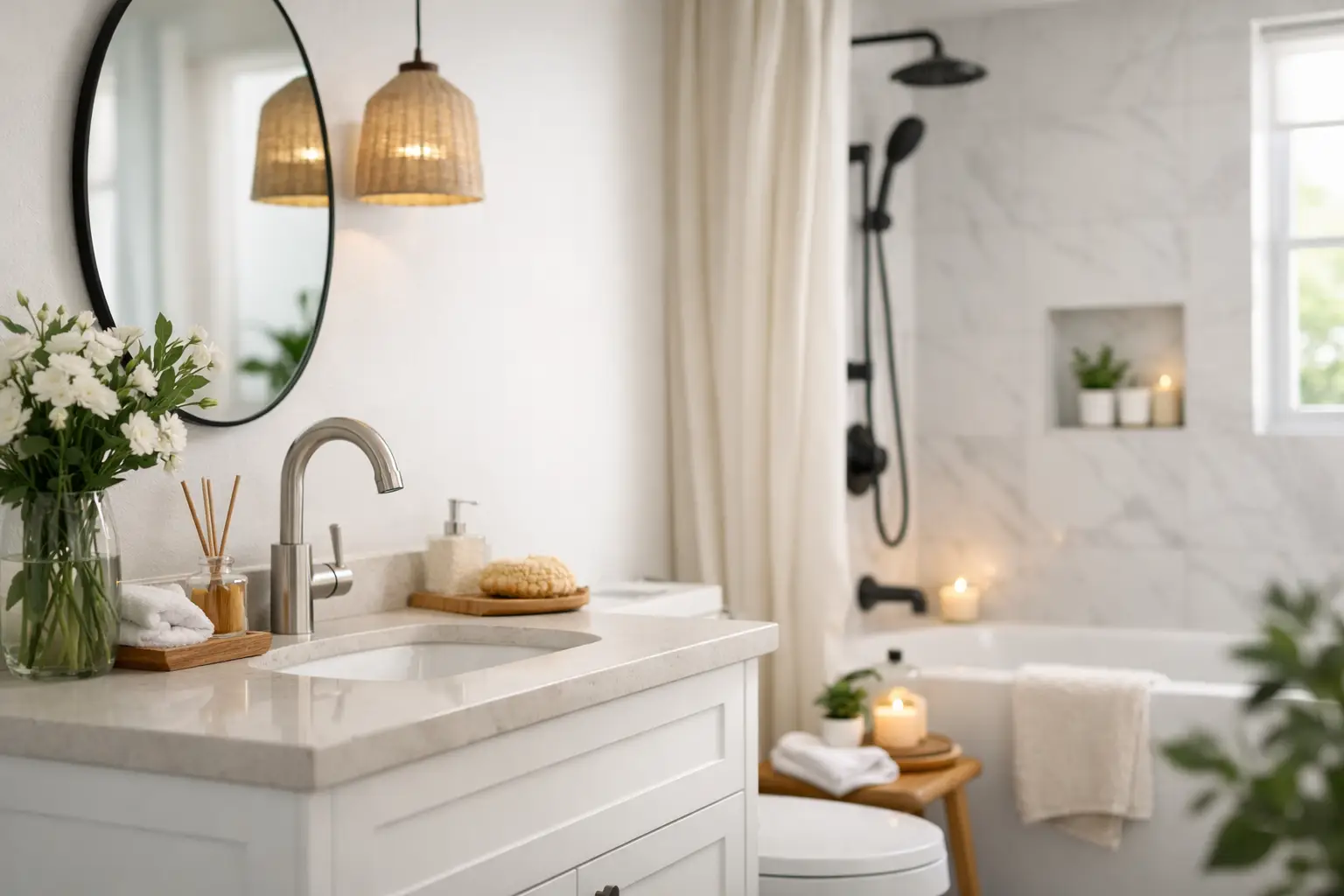
A bathroom can be perfectly functional and still feel unfinished. The culprit is often not the tile, vanity, or square footage. It is the visual noise of mismatched bottles, harsh lighting, tired textiles, and surfaces that have become a holding place for everyday life. Learning how to refresh your bathroom aesthetic starts with treating this hardworking room as a personal retreat, not an afterthought.
The best refreshes are rarely about replacing everything at once. A considered edit of color, texture, storage, and light can make even a compact apartment bath feel more polished. Focus on the details you see and touch every day, then choose upgrades that bring lasting function as well as a more elevated point of view.
Start With a Clean Visual Foundation
Before adding anything new, remove what is no longer serving the room. Expired products, empty packaging, duplicate toiletries, and worn accessories can make a bathroom feel crowded regardless of its design. Clear the vanity, tub ledges, shelves, and floor, then clean each surface thoroughly. A freshly cleaned mirror, grout line, and faucet instantly give a space more presence.
Next, decide what deserves to remain visible. Daily essentials can be beautiful when they are intentionally contained, but every item does not need display space. Keep the countertop reserved for a few refined pieces, such as a soap dispenser, small tray, hand towel, and perhaps a candle or subtle vessel. Store the rest in drawers, cabinets, or lidded organizers.
This edit is especially valuable in rental bathrooms, where permanent finishes may not reflect your taste. When the tile or vanity cannot change, a more disciplined arrangement gives the room a calmer, more premium appearance.
Choose a Color Story That Feels Intentional
A refreshed bathroom does not need a dramatic color overhaul. It needs consistency. Start by identifying the fixed elements you cannot or do not want to replace: tile, countertop, cabinetry, fixtures, and flooring. Then build a palette that makes those pieces look considered rather than accidental.
Warm white, soft sand, stone gray, muted sage, and inky navy are versatile directions because they work well with natural materials and metallic accents. If your bathroom has cool gray tile, introduce warmth through ivory towels, wood accessories, or brushed brass details. If the room already leans warm, crisp white and black accents can create clean contrast.
Limit the palette to two or three core tones. A bathroom filled with every favorite color can feel more like a storage closet than a sanctuary. The goal is not to make the room bland. It is to create enough visual continuity that a patterned hand towel or sculptural vase has room to stand out.
Use Textiles to Change the Mood Quickly
Towels are among the fastest ways to shift a bathroom’s character. Replace thin, faded, or mismatched sets with plush towels in a single coordinated shade. White feels hotel-inspired and bright, while charcoal, olive, clay, or deep blue can add depth to a neutral room.
A quality bath mat matters just as much. Choose one with a substantial feel and a low-profile shape that sits neatly against the vanity or tub. If the floor needs more softness, a washable runner can add pattern and warmth, but keep it tailored. A busy print may fight with existing tile in a small space.
Do not overlook the shower curtain. In many bathrooms, it occupies the largest vertical plane. A linen-look curtain, subtle stripe, or clean waffle texture can make the room feel considerably more expensive than a glossy, generic option. Hang it high and wide, close to the ceiling if possible, to create the impression of greater height.
Upgrade Everyday Hardware and Fixtures
The pieces you touch every day have an outsized effect on how a bathroom feels. A new faucet may be a larger investment, but even small hardware changes can create a noticeable shift. Cabinet pulls, towel hooks, toilet paper holders, and shower curtain rings should look like they belong to the same design family.
Choose a finish that complements the space rather than chasing a trend without context. Matte black offers graphic contrast and works beautifully in modern bathrooms. Brushed nickel is understated and flexible. Warm brass can bring a sense of sophistication, especially against white, green, or natural wood. Mixing finishes can work, but do it with restraint. For example, keep the faucet and cabinet hardware aligned, then introduce a secondary finish through a mirror frame or decorative tray.
If plumbing changes are not practical, focus on easier swaps: a framed mirror, refined hardware, a new shower head, or a better-looking vent cover. These updates have a permanent-looking impact without requiring a full renovation.
Create Layered Lighting for a Better Routine
Few design decisions affect a bathroom more than lighting. An overhead fixture alone can cast unflattering shadows and make even beautiful materials feel flat. Whenever possible, combine general lighting with illumination around the mirror.
For a vanity area, aim for light that reaches the face from both sides or across the front rather than only from overhead. Wall sconces, a backlit mirror, or a well-positioned vanity fixture can make grooming easier while giving the room a more tailored appearance. Select warm-to-neutral bulbs, generally around 2700K to 3000K, for a welcoming atmosphere that still feels clear enough for makeup or shaving.
Consider how the bathroom functions after dark, too. A small rechargeable lamp on a safe, dry vanity corner or a dimmable fixture can soften an evening bath. This is where aesthetics and routine meet: bright light supports the morning rush, while gentler light makes the room feel restorative at night.
Make Storage Look Like Part of the Design
Storage is not just a practical concern. It determines whether your chosen aesthetic remains visible after a busy week. The most elegant bathrooms make organization feel nearly invisible.
Begin with categories: skincare, hair tools, medication, makeup, cleaning supplies, and extra linens. Use drawer dividers for smaller products and clear or neutral bins inside cabinets for backup stock. Labeling is optional, but it is useful in shared family bathrooms where items tend to migrate.
For open shelving, use fewer, larger containers rather than an assortment of small packages. Matching canisters, woven baskets, and simple trays create order without looking overly staged. Decanting every product is not necessary, and it can be inconvenient for families or renters. Instead, decant the items that remain on display, such as hand soap, bath salts, cotton rounds, and lotion.
A slim rolling cart, wall-mounted cabinet, or over-the-toilet shelving unit can solve a genuine storage shortage, but select it carefully. Measure first, allow room for doors and drawers to open, and avoid adding furniture that makes the room harder to clean. The most useful piece is not always the largest one.
Add One Distinctive Moment
Once the essentials are in place, give the room a focal point. This is the detail that makes the bathroom feel curated rather than merely organized. It might be an arched mirror, a small framed art print, a stone stool beside the tub, or a tray styled with a candle and hand care.
Natural materials are particularly effective in a bathroom because they soften hard surfaces. A teak bath caddy, marble-look tray, ribbed glass vessel, or ceramic vase brings dimension to porcelain, chrome, and tile. Keep materials appropriate for humidity, and avoid placing delicate art or untreated wood where steam and splashes are constant.
Greenery can also add life, provided the room has suitable light. A humidity-loving plant may thrive near a bright window, while a high-quality faux botanical is often the smarter choice in a windowless powder room. The point is not to fill every open corner. One intentional accent is more luxurious than a collection of small decor items.
Refresh Your Bathroom Aesthetic by Zone
Thinking in zones keeps a refresh manageable. The vanity zone should prioritize clarity, flattering light, and a few beautiful daily-use items. The shower and tub zone benefits from upgraded textiles, a coordinated dispenser set, and a clean place for products. The storage zone should make replenishing supplies simple, not create another place for clutter.
For small bathrooms, invest first in the vanity area and textiles because they deliver the most visual impact per square foot. For larger primary bathrooms, consider introducing seating, a freestanding storage piece, or a more sculptural light fixture. Your choices should reflect how the room is actually used, not only what looks appealing in a photo.
A budget also shapes the right approach. If you are preparing a home for sale, neutral towels, fresh caulk, bright lighting, and uncluttered surfaces are often wiser than highly personal renovations. If this is your long-term home, a distinctive finish or custom storage solution may be worth the investment.
Keep the Look Elevated After the Refresh
A polished bathroom is maintained through small habits. Return products to their designated places, replace towels before they look tired, wipe down fixtures regularly, and resist turning the countertop into a landing zone. These routines protect the visual calm you worked to create.
The most memorable bathrooms feel considered because every visible item earns its place. Choose fewer pieces, choose them well, and let your daily routine be surrounded by comfort, order, and a little sophistication delivered in the details.








Leave a comment