
Home Wellness Trends That Feel Worth Living With
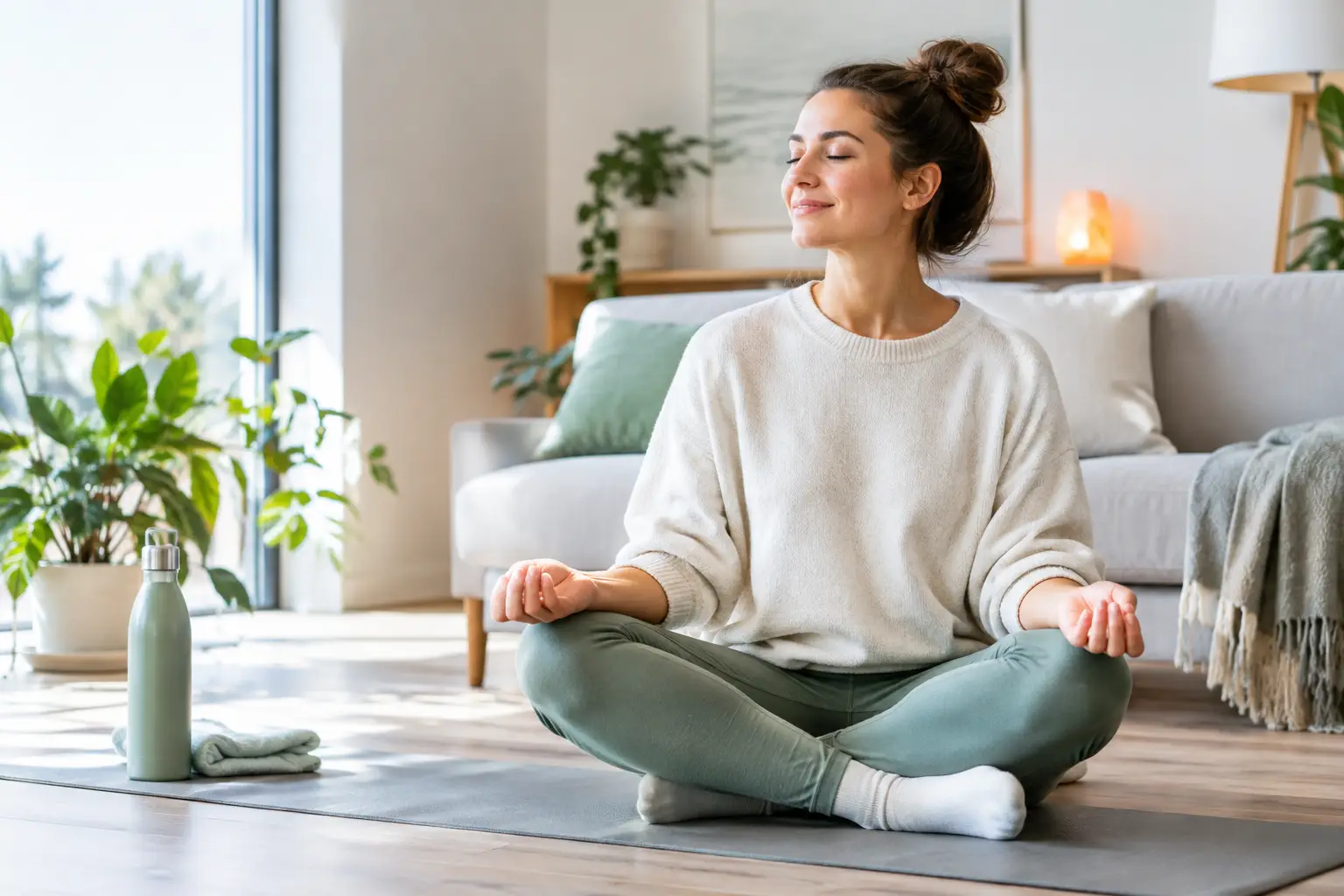
A beautifully arranged room can still leave you feeling overstimulated if the light is harsh, the air feels stale, and every surface asks for attention. That is why home wellness trends have moved beyond a diffuser on the coffee table. The most compelling shifts are changing how a home supports sleep, focus, recovery, connection, and the small rituals that make a busy week feel more considered.
For style-conscious shoppers, this is good news. A wellness-minded home does not need to resemble a clinical retreat or demand a full renovation. The best spaces pair performance with polish: a sculptural lamp that makes evenings gentler, bedding that improves the feel of a bedroom, a compact air purifier that disappears into a thoughtfully designed corner. The goal is not perfection. It is creating a home that gives more back than it takes.
Home Wellness Trends Are Becoming More Personal
Wellness used to be marketed as a universal formula: drink this, buy that, follow the same morning routine. Home design is moving in the opposite direction. People are choosing features based on how they actually live – whether that means protecting quiet time in a compact apartment, helping a young family reset after school, or creating a more focused work-from-home zone.
This makes personalization more valuable than a long checklist of products. A night-shift nurse may prioritize blackout shades and a quiet bedroom. A remote creative may care more about daylight, ergonomic support, and a calming visual field behind their desk. A household with pets may put air quality and easy-clean materials at the top of the list.
The most elevated spaces make these practical choices look intentional. Instead of scattering wellness accessories around the room, choose a few pieces that earn their place through design, durability, and daily usefulness.
Better Sleep Starts With the Bedroom Environment
Sleep remains the foundation of home wellness, but the trend is less about chasing a perfect eight hours and more about reducing friction before bed. Bedrooms are becoming quieter, darker, cooler, and less digitally demanding.
Layer light instead of relying on one ceiling fixture
A single bright overhead light can make a bedroom feel functional rather than restorative. Layered lighting creates more control. Bedside lamps, dimmable floor lamps, and warm-toned bulbs allow the room to shift naturally from getting-ready mode to wind-down mode.
Smart lighting can be useful here, especially for households that want scheduled dimming without adding another decision to the evening. Still, technology should serve the routine rather than become a distraction. If adjusting an app feels like one more task, a beautiful lamp with a simple dimmer is the more luxurious choice.
Make the bed feel genuinely inviting
Premium bedding is a classic upgrade for a reason: it changes an experience you repeat every night. Breathable sheets, supportive pillows, and a well-weighted blanket can make a bedroom feel more composed without a major design project. Material preference depends on the sleeper. Crisp cotton works well for those who sleep warm, while softer weaves can create a cozier, more enveloping feel.
Keep the visual palette calm, but not bland. Muted mineral tones, warm neutrals, and deep botanical shades tend to age better than novelty color trends. Add texture through a quilt, lumbar pillow, or upholstered headboard rather than filling the bed with unnecessary layers.
Cleaner Air Is Becoming a Design Consideration
Air quality has become part of the conversation for good reason. A home can look pristine while holding onto cooking odors, pet dander, dust, and outdoor pollutants. Compact air purifiers are increasingly treated as essential home technology, particularly in bedrooms, nurseries, home offices, and shared living areas.
Placement matters as much as purchasing. Put the unit where people spend meaningful time and where airflow is not blocked by furniture. A model designed for a large open-plan living room may be excessive for a small bedroom, while a tiny device may do little in a high-traffic family space. Match the machine to the room, then choose a finish and profile that works with the decor.
This trend also brings a renewed appreciation for low-effort maintenance. Washable throws, closed storage, entry mats, and durable upholstery help control the visual and physical clutter that can make a room feel less fresh. An immaculate house is not the point. A home that is easier to refresh is.
The Rise of the Restorative Corner
Not every home has room for a dedicated meditation studio, home gym, or spa bath. The more realistic movement is the restorative corner: a small, intentionally designed area that signals a specific kind of pause.
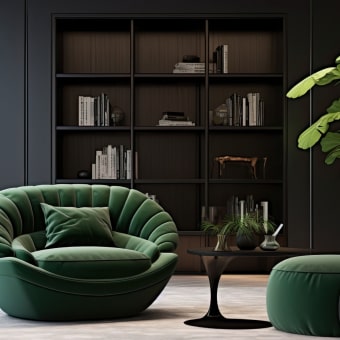
It might be an accent chair beside a reading lamp, a low-pile rug and stretch mat in the bedroom, or a neatly organized station for tea, journaling, and skincare. What makes it work is not the label. It is the lack of competing purposes. A chair covered in laundry does not invite rest, no matter how elegant it is.
Keep the setup edited. One comfortable seat, a soft light source, a side table, and an object that adds sensory pleasure – a ceramic cup, a textured throw, a favorite book – can be enough. If space is limited, choose items that can transition easily, such as a portable speaker for ambient sound or a beautiful storage basket that contains wellness essentials when the room needs to serve another function.
Home Fitness Is Looking Less Like a Garage Gym
The visual language of at-home fitness is becoming more refined. People want movement options close at hand, but they do not necessarily want their living room to feel like a training facility. Foldable equipment, understated recovery tools, and compact smart devices are gaining appeal because they respect both square footage and aesthetics.
This is where buying less can be smarter. A versatile mat, adjustable weights, resistance bands, or a discreet walking pad may support a more consistent routine than a large machine purchased for a burst of motivation. Consider the kind of movement you will realistically do on an ordinary Tuesday, not the aspirational version of a perfect weekend.
Storage is the difference between an inviting setup and visual chaos. Choose containers, cabinets, or benches that conceal equipment while keeping it accessible. The easier it is to begin, the more likely the habit will stay in rotation.
Technology Should Reduce Mental Load
Smart home wellness is strongest when it operates quietly in the background. Automated shades can make a room more comfortable during intense afternoon sun. A sunrise alarm can create a less jarring wake-up routine. A portable power solution can provide practical reassurance during travel, outdoor time, or an unexpected outage.
But more connected devices do not automatically create a calmer home. Notifications, subscriptions, charging cables, and incompatible apps can add their own form of clutter. Before bringing in another device, ask a simple question: will this remove a repeated annoyance, or create a new one?
The answer may favor a smart option, particularly for lighting, temperature, or home security. In other cases, analog design wins. A well-made water carafe on a nightstand, a tactile timer in the kitchen, or a carefully chosen basket by the door can be more immediate and satisfying than another screen.
A Softer, More Sensory Approach to Decor
The most lasting home wellness trends are sensory. They acknowledge that comfort is not only visual. It is the texture under bare feet, the sound level in a room, the feel of a cool glass of water, and the fragrance that greets you when you walk through the door.
Natural materials are central to this shift, from wood and woven fibers to stone, cotton, and ceramics. These finishes add warmth and variation that high-gloss, overly coordinated rooms can lack. They also invite a slower kind of shopping: choosing pieces with a hand-finished look, a pleasing weight, or a silhouette you will appreciate well beyond one season.
Fragrance deserves a measured approach. A subtle candle or diffuser can set a mood, but strong scents are not relaxing for everyone, especially in small rooms or homes with sensitivities. Reserve fragrance for spaces where it adds pleasure, and let fresh air, clean textiles, and thoughtful ventilation do the heavier lifting.
Build Your Wellness Home Around Real Life
A wellness-focused home is not defined by how many products it contains. It is defined by the moments it improves: a calmer bedtime, an easier morning, a clearer desk, a living room that invites you to stay awhile. Bluurban’s most useful lens for this category is simple: seek elevated pieces that combine everyday function with the finish and presence of a considered home.
Start with the area that creates the most daily friction. Upgrade the bedside light if evenings feel too bright. Improve air care if a shared space feels stuffy. Create one clear place to stretch, read, or put your phone down. The room does not need to be transformed all at once. A home feels better when each thoughtful choice has room to matter.









Leave a comment