
A Guide to Premium Skincare Routines That Work
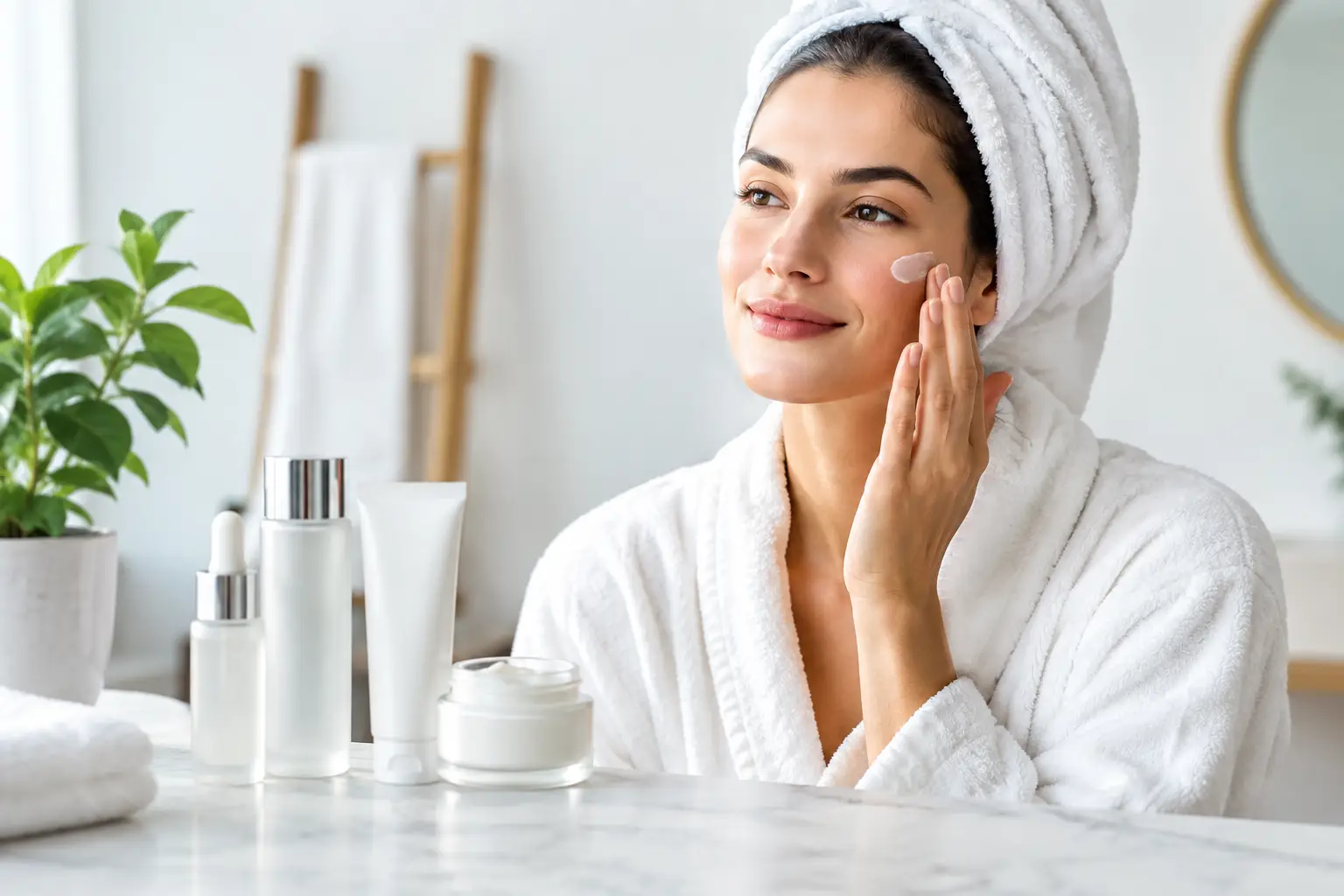
Great skin rarely comes from owning the most products. It comes from choosing a few exceptional formulas, using them in the right order, and giving them enough time to perform. This guide to premium skincare routines is designed for anyone who wants a more elevated approach: less clutter on the vanity, more intention in every step, and a finish that looks healthy rather than overworked.
Premium skincare is not simply skincare with luxurious packaging or a higher price point. The real distinction is thoughtful formulation, sensory pleasure, proven ingredients, reliable packaging, and a routine that suits your skin instead of chasing every new trend. A beautiful ritual should feel like a daily upgrade, but it also needs to deliver.
What Makes a Skincare Routine Feel Premium?
A premium routine balances performance with experience. The cleanser should leave skin comfortable, not tight. A serum should address a clear concern without overwhelming the rest of your regimen. Your moisturizer should make skin feel cushioned and polished, while sunscreen should be refined enough that you actually want to wear it every morning.
Price can reflect advanced delivery systems, high-quality textures, stable active ingredients, and elegant packaging that protects the formula. Still, expensive does not automatically mean better for your complexion. The most sophisticated choice is one that matches your skin type, your climate, and your consistency level.
For many people, the best place to invest is in leave-on formulas. Cleansers are essential, but they are rinsed away quickly. A well-chosen treatment serum, moisturizer, or daily sunscreen has more time to support visible results. That does not mean every step must be premium. It means spending with purpose.
Start With Skin Goals, Not a Shopping List
Before adding anything to your cart, decide what you want your routine to improve. Dullness, dehydration, uneven tone, visible texture, breakouts, fine lines, and sensitivity all call for different priorities. Trying to correct all of them at once often leads to irritation, wasted products, and a shelf full of half-used bottles.
Take a close look at how your skin behaves by midday and after cleansing. Skin that feels dry or looks dull may need richer barrier support and humectants. Oily or congestion-prone skin may prefer lightweight layers, gentle exfoliation, and non-greasy sun protection. Sensitive skin usually benefits from a quieter routine with fewer active ingredients introduced slowly.
Your lifestyle matters, too. If your mornings are rushed, a seven-step ritual may be aspirational but unrealistic. A premium routine earns its place when you can repeat it. Three well-selected products used daily will generally do more than nine products used only when you have extra time.
The Essential Morning Routine
Morning skincare is about hydration, defense, and creating a smooth foundation for the day. Keep it edited. You do not need to use every treatment you own before coffee.
Cleanse only as much as you need
If you wake up oily, sweaty, or use rich products at night, a gentle cleanser is a smart first step. Look for a cream, gel, or low-foam formula that removes residue without leaving your face squeaky clean. That tight feeling is not proof of cleanliness. It is often a sign that the skin barrier has been stripped.
If your skin is dry or easily irritated, a rinse with lukewarm water may be enough on some mornings. This is one of those moments where it depends: oily skin may prefer a full cleanse, while dry skin may look and feel better with less cleansing.
Use one targeted serum
A vitamin C serum is a classic morning choice for brightness and antioxidant support. It can help create a more even-looking complexion over time, especially when paired with sunscreen. If vitamin C stings or feels too active for your skin, a hydrating serum with glycerin, hyaluronic acid, panthenol, or peptides can offer a polished, plump finish instead.
Apply your serum to slightly damp skin when appropriate, then give it a brief moment to settle. There is no prize for rushing through layers. A measured application feels more elegant and helps prevent pilling under moisturizer or makeup.
Moisturize and make sunscreen nonnegotiable
Choose a moisturizer with a texture that works for your day. Gel-creams can feel fresh on combination or oily skin, while ceramide-rich creams are often more comfortable for dry, mature, or compromised skin. The goal is supple skin that does not look shiny or feel coated.
Finish with broad-spectrum SPF 30 or higher. This is the foundation of any premium skincare routine because it protects the investment you make in every other treatment. Use enough for your face, neck, and ears, and reapply when you are outdoors for extended periods. A sophisticated sunscreen is one you enjoy enough to wear generously every day.
Build an Evening Ritual That Restores
Night is where your routine can become more indulgent, but the purpose remains practical: remove the day, treat specific concerns, and support repair.
Cleanse thoroughly, especially after sunscreen or makeup
If you wear makeup, water-resistant sunscreen, or spend time in a city environment, consider a two-step cleanse. Start with an oil cleanser, balm, or micellar formula to loosen makeup and sunscreen. Follow with a gentle water-based cleanser to lift away remaining residue.
Double cleansing is useful, not mandatory. If you do not wear makeup and your skin leans dry, one effective cleanse may be the more refined choice. Overcleansing can leave skin reactive and make even premium treatments feel uncomfortable.
Rotate active treatments instead of stacking them
This is where restraint pays off. Retinoids can support smoother-looking texture and firmer-looking skin over time. Chemical exfoliants such as AHAs and BHAs can refine the appearance of dullness, roughness, or clogged pores. Both can be valuable, but using them together too often is a fast route to redness and sensitivity.
A simple rotation might mean using a retinoid two or three evenings each week, an exfoliant one evening weekly, and focusing on hydration the rest of the time. Begin more slowly if you are new to active ingredients. Premium skincare should never feel like a punishment for your face.
If you are pregnant, breastfeeding, managing eczema or rosacea, or using prescription treatments, check with a qualified clinician before adding strong actives. The most elevated routine is one that respects your skin’s limits.
Seal in comfort with a restorative moisturizer
At night, choose a moisturizer that leaves skin calm, cushioned, and comfortable by morning. Ceramides, squalane, peptides, niacinamide, and nourishing plant oils can all have a place, depending on your skin. If you are very dry, a few drops of facial oil pressed over moisturizer can add a beautiful final layer.
For acne-prone skin, rich does not have to mean heavy. Seek out nourishing formulas designed to feel breathable, and introduce one new product at a time so you can tell what your skin truly likes.
A Guide to Premium Skincare Routines by Skin Type
The core order stays consistent, but texture and treatment choices should change with your complexion.
Dry skin often benefits from creamy cleansers, hydrating essences, barrier-focused serums, and richer moisturizers. Look for ingredients such as ceramides, glycerin, squalane, and colloidal oatmeal. Avoid frequent exfoliation when skin feels tight, flaky, or sensitized.
Oily and combination skin can still become dehydrated, particularly when harsh cleansers and strong acne products are in rotation. Lightweight hydration, niacinamide, salicylic acid used carefully, and elegant gel moisturizers can help skin look balanced instead of stripped.
Sensitive skin does best with simplicity. Favor fragrance-free formulas when fragrance has triggered reactions in the past, and introduce one new product for at least a week or two before adding another. A shorter routine can look and feel exceptionally luxurious when every product earns its place.
Mature skin may benefit from consistent sun protection, retinoids if tolerated, antioxidant support, peptides, and richer moisture. The objective is not to erase every line. It is to keep skin looking luminous, comfortable, and well cared for.
The Details That Protect Your Investment
A premium routine loses value when products are stored carelessly or replaced before they have had time to work. Keep formulas away from direct heat and sunlight, especially vitamin C and retinoid products. Close caps securely, avoid dipping wet fingers into jars, and pay attention to changes in scent, color, or texture.
Give a new routine at least six to eight weeks before judging most results, unless your skin becomes irritated. Take occasional photos in the same lighting if you are tracking tone or texture. The mirror can be unreliable when you see your face every day.
Do not confuse tingling with effectiveness, and do not assume more product equals better results. A pea-sized amount of treatment, a thoughtful layer of moisturizer, and a generous application of sunscreen are often all you need. Luxury is found in precision.
Your skincare ritual can be one of the most personal forms of daily refinement. Choose formulas that feel exquisite, respect your skin’s feedback, and fit beautifully into the life you actually lead. With consistency, your bathroom counter becomes more than a display of beautiful bottles – it becomes a place where quality, care, and confidence meet.













Leave a comment