
Are Silk Pillowcases Worth It? A Smart Buy
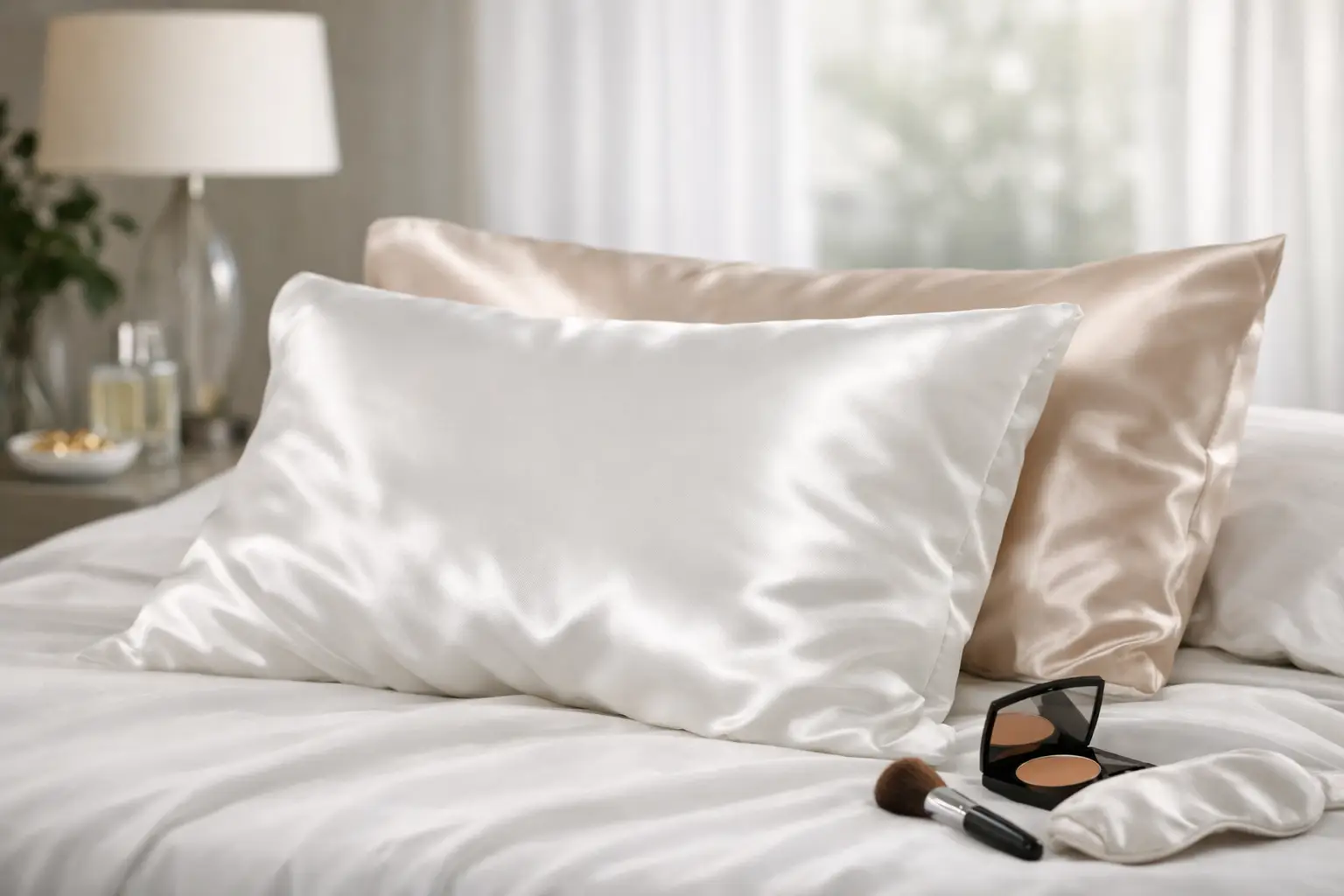
Your pillowcase is one of the few textiles that touches your face and hair for hours every night. That makes the question, are silk pillowcases worth it, more practical than it may first appear. For shoppers building a more polished sleep space and a more considered beauty routine, a genuine silk pillowcase can be a worthwhile upgrade – but only when its benefits match your priorities, budget, and willingness to care for it properly.
Silk will not replace a skincare regimen, a good haircut, or a quality mattress. What it can do is make the nightly friction between your skin, hair, and bedding feel noticeably more refined. Think of it as a small luxury with daily use, rather than a miracle product.
What Makes Silk Different From Cotton?
Cotton is absorbent, breathable, familiar, and easy to wash. It is also more textured than silk, even when it feels soft to the touch. As you move during sleep, that texture can create friction against hair and skin. For many people, this is not a major concern. For those with dry hair, curls, extensions, fragile strands, or an investment in a detailed skincare routine, the difference can be meaningful.
Silk has a naturally smooth surface that allows hair and skin to glide more easily. It also tends to absorb less moisture than traditional cotton. That matters because overnight moisture includes more than sweat: it may include leave-in hair products, facial moisturizer, and the natural oils that help support your skin barrier.
The experience is part performance, part pleasure. A silk pillowcase has a cool, fluid hand feel that instantly changes the character of a bed. In a guest room or a carefully styled primary bedroom, it delivers the kind of quiet sophistication that makes an everyday essential feel more elevated.
Are Silk Pillowcases Worth It for Hair?
For hair, silk’s main advantage is reduced friction. Hair can slide across the fabric instead of catching against a rougher weave. This may help limit morning tangles, frizz, flattened curls, and breakage caused by repeated rubbing – especially for people who toss and turn.
The benefit is often most noticeable for textured, curly, coily, color-treated, fine, or long hair. A blowout may last a little longer, waves can look less disrupted, and curls may need less reshaping in the morning. Anyone who uses silk bonnets or wraps may appreciate a silk pillowcase as an added layer of protection, particularly on nights when a bonnet comes off.
Still, set realistic expectations. Silk cannot repair split ends or prevent all breakage. If your hair is brittle from heat styling, chemical processing, or tight hairstyles, the larger solution is a gentler overall routine. A silk pillowcase supports that routine; it does not carry it alone.
Silk Pillowcases and Skin: What They Can Actually Do
The skin-related appeal is similar: less friction and less absorption. Some sleepers find that a smoother surface leaves them with fewer temporary sleep creases and a more comfortable feeling around dry or sensitive areas. If you apply a rich night cream, silk may help keep more of that product on your face rather than in the pillowcase.
That said, silk is not an acne treatment, and it does not erase wrinkles. Breakouts are influenced by many factors, including hormones, product formulas, stress, and cleansing habits. Pillowcases should be changed regularly regardless of material, especially if you use hair oils, styling products, or heavier skincare.
For sensitive skin, the quality of the fabric and the dye matters. Look for genuine silk from a reputable source, with clear material details and thoughtful finishing. A beautifully presented product means little if it feels scratchy, uses irritating finishes, or loses its softness after a few washes.
The Detail That Matters Most: Real Silk vs. Satin
“Silky” and “satin” are not the same as silk. Satin describes a weave or finish, while silk is a natural fiber. Satin pillowcases may be made from polyester, nylon, rayon, or silk. They can still feel smooth and provide some friction-reducing benefits, often at a lower price point.
For value-focused shoppers, satin can be a smart starting point. It is typically easier to wash, more resilient, and significantly less expensive. It is a useful option for kids, travel, guest rooms, or anyone curious about the smoother-pillowcase experience without making a premium purchase.
Genuine silk usually feels more breathable and temperature-regulating, with a lighter, more luxurious drape. It is also more delicate and costs more. If you tend to sleep hot, value natural fibers, or want the most premium version of this upgrade, silk has a clear advantage. If your priority is simply a smooth surface for your hair at the lowest possible cost, satin may be enough.
Understanding Momme and Quality
When shopping for silk bedding, you may see the term “momme,” often written as mm. It refers to the weight and density of silk fabric. For pillowcases, around 19 to 25 momme is commonly considered a desirable range: substantial enough to feel durable and luxurious, without becoming overly heavy.
A higher momme number is not automatically the best choice for every sleeper. Very heavy silk can feel warmer and may come at a much higher price. Focus on a well-made pillowcase with strong stitching, a secure closure, and transparent fabric information instead of chasing a single number.
Details also shape the experience. An envelope closure creates a clean, hotel-inspired look and keeps the pillow tucked away. A hidden zipper offers a more tailored finish but should be smooth and thoughtfully placed. Standard, queen, and king sizing should fit your pillow properly; excess fabric can bunch up and reduce the polished look you are paying for.
The Trade-Offs Before You Buy
Silk’s biggest drawback is care. Many silk pillowcases require hand washing or a delicate machine cycle in cold water, followed by air drying. Harsh detergent, high heat, bleach, and rough laundering can weaken fibers and dull the finish. If your laundry routine is strictly wash-and-dry on high heat, silk may become more work than luxury.
Cost is the other consideration. A genuine silk pillowcase can cost several times more than cotton or synthetic satin. That price is easier to justify when you view it as a daily-use item that supports hair care, skin comfort, and bedroom styling at once. It is less compelling if you do not notice friction-related hair issues, prefer crisp cotton, or rarely maintain delicate textiles.
There is also the matter of expectations. A silk pillowcase is a comfort upgrade, not a medical claim. The best purchases are the ones that fit naturally into your habits. If you already invest in salon visits, skincare, or a serene bedroom, it can feel like a finishing touch. If you want a completely maintenance-free bedding solution, premium cotton may be the more satisfying choice.
How to Make a Silk Pillowcase Last
A little care preserves both the finish and the value. Use a mild detergent formulated for delicate fabrics, avoid fabric softener, and wash it separately or inside a mesh laundry bag. Air drying is the gentlest route. If needed, use low heat to smooth wrinkles, ideally with a pressing cloth between the iron and fabric.
Owning two pillowcases is often more practical than owning one. You can rotate them between washes without sacrificing your routine, and each piece receives less frequent wear. Choose a color that works with your existing bedding – ivory, champagne, soft gray, and deep neutral tones tend to feel timeless while making a bed look intentionally styled.
Who Should Consider the Upgrade?
Silk makes the strongest case for people with delicate or textured hair, frequent tangling, dry skin, or a preference for cool, smooth bedding. It also suits anyone who sees their bedroom as part of their wellness ritual rather than merely a place to sleep. The visual impact is modest but real: a well-chosen silk pillowcase adds a layer of softness and polish to linens you already love.
For a first purchase, prioritize authenticity, workmanship, and a color you will enjoy seeing every day. A silk pillowcase earns its place not because it promises perfection, but because it makes an ordinary nightly ritual feel a little more considered – and the best lifestyle upgrades are often the ones you appreciate before you have fully woken up.












Leave a comment