
Air Purifiers: A Smarter Way to Refresh Your Home
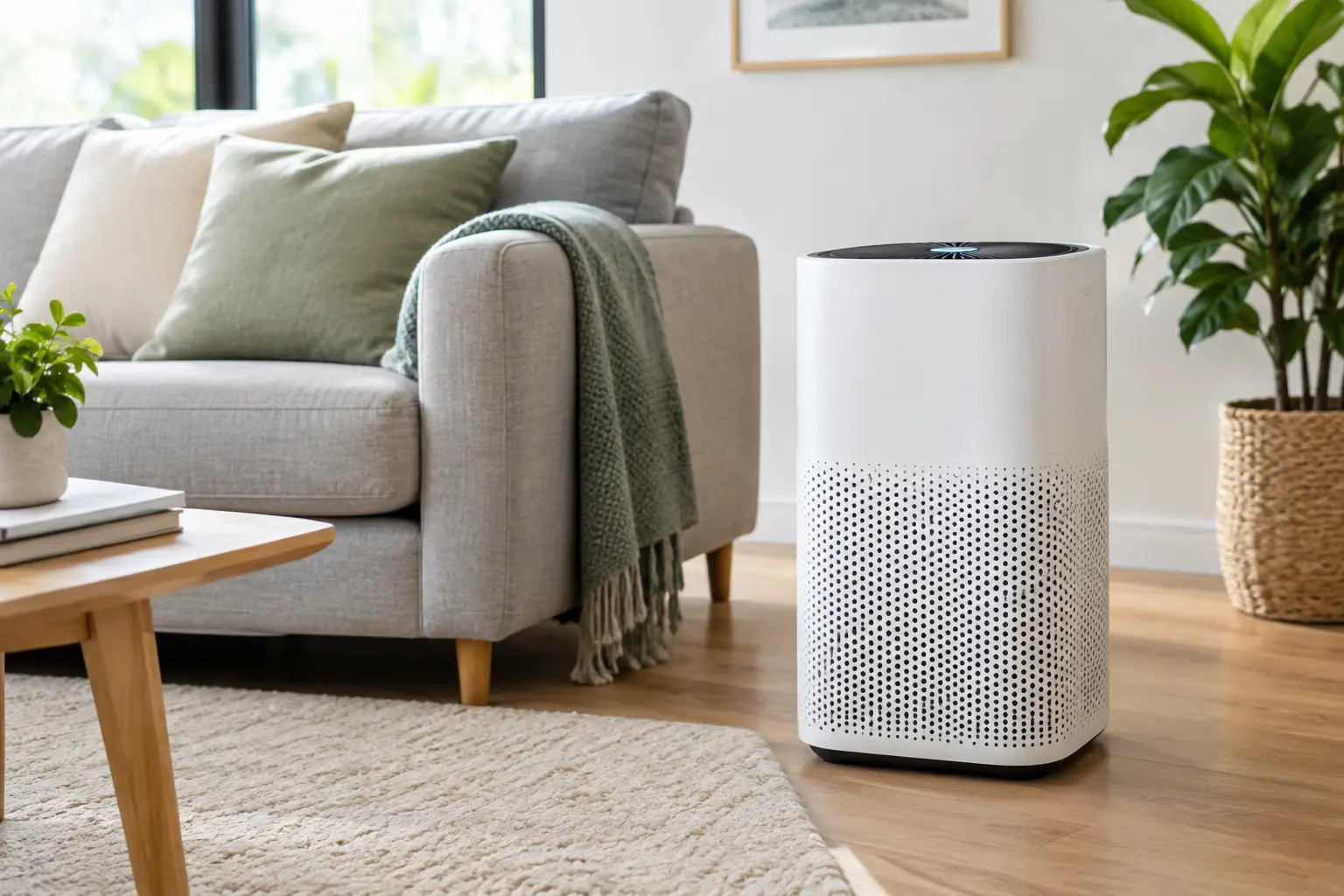
A beautiful home should feel as considered as it looks. Yet cooking aromas, pet dander, seasonal pollen, dust, and outdoor smoke can linger long after the candles are lit and the surfaces are styled. The right air purifiers work quietly in the background, helping your favorite spaces feel fresher, calmer, and more comfortable without asking you to redesign your routine.
Choosing one is not simply a matter of selecting the most expensive model or the sleekest finish. The best fit depends on your room size, the air concerns you want to address, and how willing you are to maintain filters over time. A thoughtful choice delivers both practical performance and the polished ease of a well-appointed home.
What Air Purifiers Can and Cannot Do
Air purifiers pull room air through one or more filters, then return cleaner air to the space. They are especially effective at capturing airborne particles such as dust, pollen, pet dander, mold spores, and smoke particles. For households affected by allergies, shedding pets, nearby traffic, or wildfire season, that can make a noticeable difference in daily comfort.
Odors and some gaseous pollutants are a separate challenge. A particle filter alone will not do much for the scent of last night’s dinner, litter box odors, or volatile organic compounds released by paint, cleaning products, and furnishings. For those concerns, look for a unit with a meaningful amount of activated carbon. A thin carbon-coated sheet may help with mild odors, but it will not perform like a substantial carbon filter.
An air purifier is also not a substitute for removing the source of a problem. If there is active mold, smoke entering through a damaged window, or a gas appliance concern, address the underlying issue first. Think of purification as a refined layer of support: valuable, but most effective alongside good ventilation, regular cleaning, and sensible home maintenance.
How to Choose Air Purifiers by Room Size
The most common mistake is buying a purifier that is too small for the room. An undersized unit may still move air, but it will clean it slowly and struggle whenever pollen counts rise, pets are active, or cooking sends particles through an open-plan space.
Start with the manufacturer’s recommended room size, then read the details behind the claim. Some brands base coverage on one air change per hour, which may be suitable for a lightly used guest room but less compelling for a busy bedroom or living area. For more consistent particle reduction, aim for a model capable of multiple air changes per hour in your actual space.
CADR, or Clean Air Delivery Rate, is another useful figure. It measures how quickly a purifier removes certain airborne particles. In general, a higher CADR means faster cleaning, provided the number applies to the particle type you care about and the machine is running at a usable speed. A purifier that only reaches its headline performance on an excessively loud top setting may not be the one you want beside the bed or near a reading nook.
For open-concept homes, size the purifier for the entire connected area rather than just the corner where it will sit. If your kitchen, dining room, and lounge flow together, their shared air does too. Two well-placed units can sometimes be a more elegant and effective choice than one oversized machine parked at the edge of the room.
Filters Worth Paying Attention To
A true HEPA filter is the standard many shoppers seek for fine particle capture. It is designed to trap very small airborne particles efficiently, making it a strong option for dust, pollen, pet dander, and smoke particles. Be careful with vague labels such as HEPA-type or HEPA-style, which do not necessarily meet the same performance standard.
Activated carbon matters when odor control is high on your list. It is particularly helpful in kitchens, pet areas, apartments close to city streets, and homes where fragrances or cleaning-product odors tend to linger. The amount and quality of carbon vary widely, so it is worth comparing replacement-filter specifications rather than assuming every purifier handles odors equally.
A washable pre-filter is a welcome convenience. It catches larger debris, hair, and visible dust before they reach the main filter, extending its useful life. Just remember that washable does not mean maintenance-free. A quick vacuum or rinse on schedule preserves airflow and keeps the purifier operating as intended.
Features That Make Daily Use Easier
Premium living is often about the details that remove friction. The same principle applies here. A well-designed purifier should fit naturally into your home rather than becoming another appliance you avoid using because it is distracting, complicated, or visually out of place.
Noise is one of the most important considerations. Check both the lowest and highest decibel ratings. A quiet sleep mode is ideal for bedrooms and nurseries, while a stronger setting can be useful after cooking or during high-pollen days. If a unit is likely to live in your main living space, choose a model whose everyday setting you can comfortably run while working, watching a film, or hosting friends.
Air-quality sensors and automatic modes can add real convenience, especially for busy households. These features allow the machine to increase fan speed when it detects a rise in particles, then ease back when the air improves. Still, auto mode should not replace your judgment. During wildfire smoke events or allergy season, it may make sense to run the purifier at a higher steady speed even if the display looks reassuring.
Smart controls are useful when they solve a specific need. App scheduling can be appealing if you want the unit running before you arrive home, and filter reminders can prevent neglected maintenance. If you prefer a simpler setup, dependable manual controls and clear indicator lights may be all you need. More technology is only an upgrade when it supports your habits.
Be cautious with products that intentionally generate ozone or lean heavily on ionization claims. Ozone can irritate the lungs, and some ionizing technologies create trace ozone as a byproduct. For most homes, a mechanical particle filter paired with activated carbon is the straightforward, dependable choice.
Where to Place an Air Purifier
Placement can make a good purifier perform like a great one. Give it breathing room on every side, ideally away from walls, drapery, and large furniture that can block the intake or exhaust. Avoid tucking it behind a sofa simply to keep it out of sight. A clean, intentional placement near the center of the occupied area is usually more effective.
In a bedroom, position the unit a few feet from the bed rather than directly beside your head. In a living room, choose a location near the activity zone, not in a distant hallway. For kitchens, place it outside the immediate splash and heat zone but close enough to help after cooking. If smoke or odors tend to enter from one particular window or doorway, positioning the purifier between that source and the room can help.
Keep doors and windows closed when you want the strongest result, particularly during heavy pollen or smoke conditions. Running a purifier continuously on a moderate setting is often more effective than turning it to maximum for an hour after the room feels stale.
Match the Purifier to the Way You Live
For allergy-prone households, prioritize a true HEPA filter, generous capacity for the room, and quiet overnight operation. If pets are part of the family, look for an easy-to-clean pre-filter and remember that a purifier captures airborne dander, not fur already settled into upholstery and rugs.
For cooking enthusiasts, activated carbon and a powerful fan are more valuable than a delicate low-speed unit. Continue using your range hood whenever possible, because capturing pollutants at the source remains the best approach. In areas affected by seasonal wildfire smoke, choose a model sized with extra capacity, keep spare filters on hand, and create one room where doors and windows can remain closed during severe air-quality days.
For apartments and smaller homes, visual design may reasonably influence the decision. A compact unit with a restrained profile can complement a sophisticated space, but do not trade away the coverage and filter quality your square footage requires. The most stylish choice is one that looks at home and works hard enough to earn its place.
Consider the Cost Beyond the Initial Purchase
The purchase price is only part of the equation. Replacement filters can be a meaningful ongoing expense, especially for larger units, carbon-heavy filters, or homes with pets and frequent cooking. Check the recommended replacement interval, the cost of genuine filters, and whether the model remains effective with filters that are readily available.
Energy use deserves a glance as well. Because the best results often come from extended operation, an efficient unit can be more appealing than one that draws substantial power at its preferred setting. A solid warranty and accessible customer support add confidence, particularly when you are investing in a premium appliance intended for daily use.
The right purifier should feel less like a gadget and more like part of the atmosphere you are creating: clean lines, quiet performance, and comfort that guests may not immediately identify but will absolutely notice.










Leave a comment