
Garden Furniture for an Elevated Outdoor Retreat
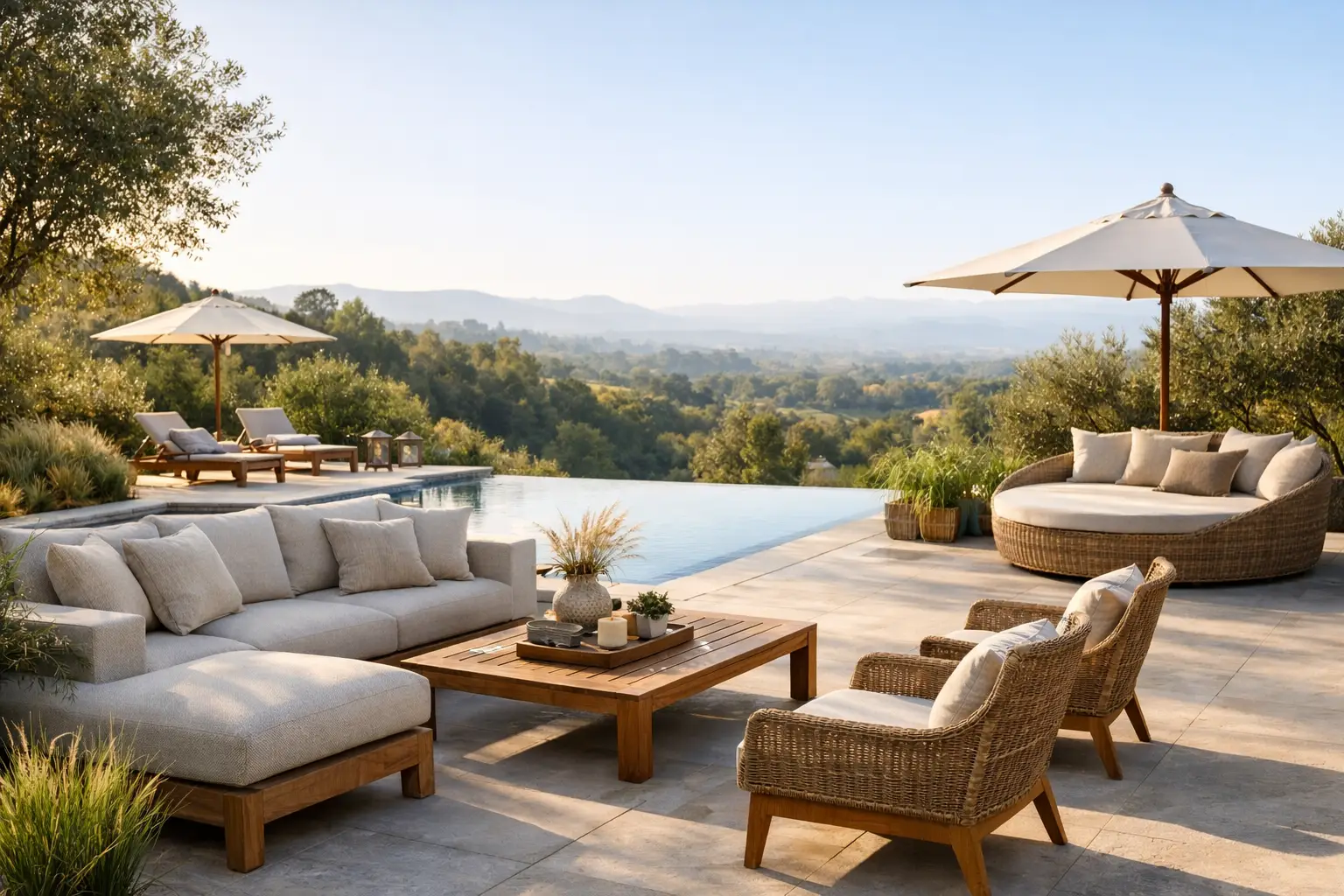
A patio can have a beautiful view, fresh landscaping, and plenty of square footage yet still feel unfinished when the seating is an afterthought. The right garden furniture changes that immediately. It gives an open-air space purpose: a place for slow weekend breakfasts, sunset cocktails, family dinners, or a quiet hour away from screens.
For an elevated outdoor setting, the goal is not to fill every corner. It is to choose pieces with the right scale, materials, and level of comfort for the way you actually live. A thoughtfully furnished balcony can feel more luxurious than an oversized deck crowded with mismatched chairs.
Start With the Outdoor Life You Want to Live
Before comparing finishes or cushions, consider what the space needs to do most often. A compact city balcony may be best as a morning coffee spot with two refined lounge chairs and a slim side table. A family backyard may call for a dining set that can handle long lunches, birthday celebrations, and extra guests. A poolside area may need low-profile chaises and convenient surfaces for towels, drinks, and sunscreen.
This distinction matters because outdoor furniture is an investment in a routine, not simply a decorative purchase. Choose your primary use first, then build around it. Trying to make one small area serve as a full dining room, lounge, office, and play zone can leave it feeling cluttered rather than curated.
Measure the usable footprint as well as the clear pathways around it. Leave enough room to pull out dining chairs, open doors, walk around a coffee table, and move comfortably from the house to the yard. On smaller patios, furniture with open frames, narrower arms, or raised legs can preserve a lighter visual feel without sacrificing style.
Choose Garden Furniture Materials With Intention
Premium style should look effortless, but performance deserves equal attention. Sun, moisture, temperature swings, wind, and pollen will all influence how a piece looks over time. The best material depends on climate, maintenance preferences, and whether the furniture will live beneath a covered porch or fully exposed to the elements.
Teak and other wood finishes
Teak remains a favorite for its naturally rich tone and impressive weather resistance. It brings warmth to modern architecture and softens stone, concrete, and metal-heavy outdoor spaces. Left untreated, teak gradually develops a silvery patina. Some homeowners love that relaxed, coastal character; others prefer to maintain the original golden finish with regular care.
Acacia and eucalyptus can offer a similarly inviting look at a more accessible price point, though they usually require more consistent sealing and protection. Wood is especially compelling when you want an outdoor space to feel collected and residential rather than strictly resort-inspired.
Powder-coated aluminum
Aluminum is a smart choice for contemporary patios, rooftops, and pool areas. It is lightweight, corrosion-resistant, and easy to move when entertaining. Powder-coated finishes come in sophisticated neutrals such as matte black, sand, white, bronze, and soft gray, making them easy to pair with almost any cushion color.
The trade-off is visual warmth. Aluminum can feel more architectural than inviting on its own, so introduce texture through plush cushions, an outdoor rug, woven lanterns, or a wood-topped accent table.
All-weather wicker and woven resin
Well-made all-weather wicker offers the layered texture people love without the fragility of natural rattan outdoors. Look for tightly woven, UV-resistant resin over a sturdy frame. It is particularly effective for lounge seating because it gives larger pieces dimension while maintaining a relaxed, polished look.
Quality varies considerably. Thin, loosely woven material may become brittle or sag over time, especially in high heat. If a woven piece feels too light, uneven, or overly glossy, it may not deliver the lasting refinement you want.
Steel, iron, and mixed materials
Steel and wrought iron bring weight and drama, especially in traditional gardens or European-inspired courtyards. They are less likely to shift in windy locations, but they can be heavy to rearrange and may need touch-ups if the finish gets scratched. Mixed-material pieces, such as aluminum frames with teak armrests or stone-look tabletops, can offer a tailored, designer-led appearance while balancing practical performance.
Comfort Is the Detail Guests Remember
Outdoor spaces are often styled for photographs and then abandoned after twenty minutes because the seating is too low, too firm, or too exposed. Prioritize comfort with the same care you would bring to an indoor living room.
For dining chairs, consider seat depth, back support, and arm clearance beneath the table. For lounge furniture, look for cushions with substantial fill and removable performance-fabric covers. Quick-drying foam and solution-dyed fabrics are valuable upgrades in areas with frequent rain or intense sun because they help preserve color and reduce the inconvenience of damp cushions.
Neutral cushions are timeless, but they do not have to be predictable. Cream, oat, taupe, and charcoal create a versatile foundation, while textured stripes, deep olive, terracotta, or muted blue can add a more considered point of view. If your home’s interior has a distinctive color story, echoing one shade outdoors creates a more connected transition from room to room.
Build the Space in Layers, Not Sets Alone
A matching set can be efficient, but a fully coordinated patio sometimes lacks personality. The most inviting outdoor rooms often combine a few complementary elements: a sofa or pair of lounge chairs, a substantial coffee table, occasional tables where drinks can actually rest, and lighting that makes the setting usable after dusk.
Begin with the largest anchor piece. In a lounge zone, that may be a sectional or deep seating arrangement. In a dining area, it is the table. Add smaller pieces only after confirming that the main furniture has enough breathing room.
An outdoor rug is one of the simplest ways to define a seating area, particularly on a deck, balcony, or paver patio. It visually gathers separate pieces into a single destination. Choose a durable, low-profile design that complements rather than competes with the furniture frame and cushions.
Then add functional atmosphere. A sculptural planter, a weather-ready throw for cool evenings, and a few lanterns can make the space feel finished. Avoid using accessories only as decoration. The best details invite people to linger: a tray for serving, a lidded storage bench for pillows, or a compact drink table beside every lounge chair.
Create a Layout That Feels Generous
Luxury is often less about excess and more about ease. A strong layout gives every guest a place to sit, set down a drink, and join the conversation without navigating an obstacle course.
For conversation areas, position seating so people face one another rather than lining everything up along the perimeter. A coffee table should be close enough to use comfortably, generally within easy reach of the seat, but leave adequate legroom. In dining areas, allow room behind each chair so guests can sit down without bumping into planters or railings.
If the yard is large, create distinct moments instead of one oversized furniture grouping. Place dining near the kitchen or grill for convenience, reserve a quieter corner for lounge seating, and use a pair of chairs near the garden as a private reading spot. This approach makes a property feel more intentional and encourages people to enjoy it throughout the day.
Protect the Investment Without Hiding It Away
Even durable outdoor furniture benefits from a little attention. Use fitted covers during long stretches of rain, snow, or disuse, but avoid trapping moisture against the frame. Clean cushions and surfaces according to their material, clear debris from crevices, and store delicate textiles when the season changes.
For smaller spaces, consider furniture that earns its footprint. Stackable dining chairs, nesting tables, storage ottomans, and foldable bistro pieces can make outdoor living more flexible without lowering the design standard. The right choice depends on whether you need frequent adaptability or prefer the visual impact of substantial, stationary pieces.
At Bluurban, the most compelling outdoor selections are the ones that make everyday moments feel considered. Choose furniture that suits your climate and square footage, then leave room for the rituals that make a patio memorable: the first cup of coffee outside, an unhurried meal, and one more conversation after the sun goes down.









Leave a comment