
Air Purifier Versus Humidifier for Your Home
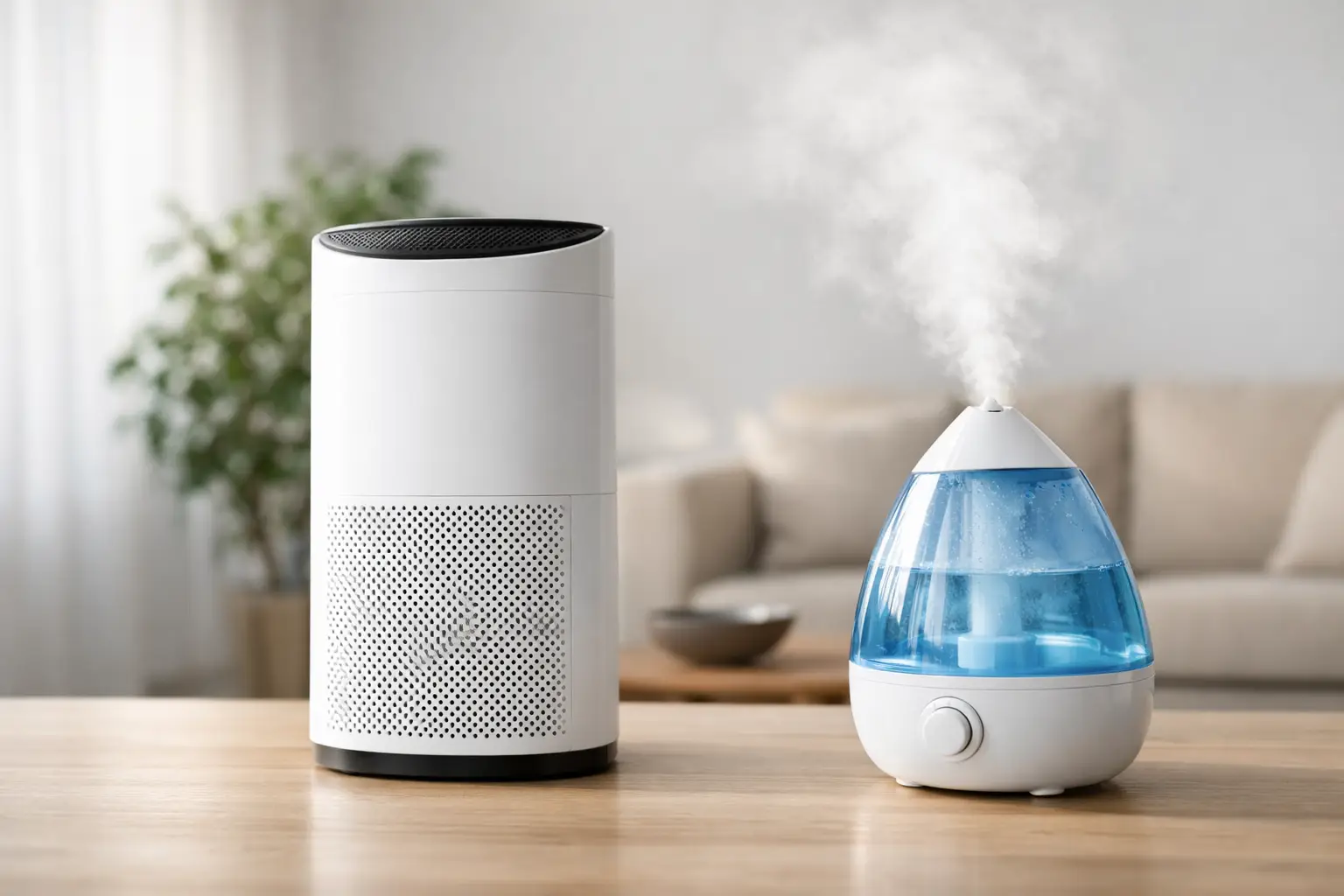
A beautifully styled room can still feel less than inviting when the air is dusty, stale, or uncomfortably dry. The air purifier versus humidifier question comes down to a simple distinction: one cleans the air you breathe, while the other changes the amount of moisture in it. Choosing well can make your bedroom, nursery, home office, or living space feel distinctly more comfortable.
Neither appliance is a universal answer to every indoor-air concern. An air purifier cannot fix dry winter air, and a humidifier will not remove pet dander, smoke particles, or pollen. Once you understand what each does best, you can invest in a more polished, healthier-feeling home environment without adding clutter or buying features you will not use.
Air purifier versus humidifier: the core difference
An air purifier circulates room air through one or more filters to capture airborne particles. Depending on its filtration system, it can reduce dust, pollen, pet dander, mold spores, smoke particles, and other fine particulate matter. It does not add moisture to the room, nor does it make a dry throat feel better simply by running.
A humidifier releases water vapor or a fine mist to raise relative humidity. That added moisture can ease the dry, scratchy sensation often associated with heated indoor air, especially during colder months or in arid climates. It does not filter the air. In fact, a poorly maintained humidifier can introduce mineral dust or microorganisms into the room.
The distinction matters because indoor comfort has two separate dimensions: air cleanliness and moisture balance. A premium-looking appliance may elevate the visual finish of a space, but its performance should match the problem you are trying to solve.
What an air purifier is designed to do
A quality air purifier is the more fitting choice when the concern is what is floating in the air. This includes seasonal pollen tracked indoors, visible dust settling quickly on surfaces, shedding pets, city smoke, wildfire haze, or particles that can aggravate allergies.
For most homes, look for a unit with a true HEPA filter or another clearly stated high-efficiency particle filtration standard. The purifier should also be sized for the room where it will operate. A compact bedside model can be elegant and useful in a small bedroom, but it will not effectively clean the air in an open-concept great room.
If odors are a concern, activated carbon is worth considering. Carbon can help adsorb some odor-causing gases from cooking, pets, and everyday living. Still, no portable purifier completely erases every odor or chemical vapor. Ventilation, source control, and regular cleaning remain part of a thoughtfully maintained home.
What a humidifier is designed to do
A humidifier is for air that feels too dry. You may notice dry lips, irritated nasal passages, static shocks, rough hands, or a persistent need for lotion when humidity drops. Wood furniture and musical instruments can also react to very dry conditions, although maintaining stable humidity matters more than pushing moisture as high as possible.
The comfortable target for many homes is generally between 30% and 50% relative humidity. A small digital hygrometer takes the guesswork out of the decision. If your home already sits within that range, adding a humidifier may offer little benefit and could create a new problem.
Too much indoor humidity encourages condensation on windows and can support mold and dust mites. That is why a humidifier should be treated as a precision comfort tool, not an appliance to run continuously at maximum output.
Choose based on the problem you notice
If you wake up congested during high-pollen season, see pet hair and dust accumulating around the home, or live in an area affected by outdoor smoke, start with an air purifier. Place it in the room where you sleep or spend the most uninterrupted time. Bedrooms are often the highest-value starting point because air quality during a full night of rest can shape how refreshed the space feels.
If the air becomes harsh once the heat turns on, your skin feels dry, or you regularly deal with static electricity, a humidifier is likely the more relevant purchase. Use a hygrometer first, then select a model that can serve the room without overshooting your humidity goal.
There are also situations where both make sense. A home can have dry air in winter while also carrying dust, pet dander, or outdoor pollution indoors. In that case, the purifier and humidifier perform complementary jobs. One filters particles; the other keeps moisture at a more comfortable level.
A few common scenarios make the choice clearer:
- For allergy-prone bedrooms, a properly sized air purifier is usually the stronger first purchase.
- For dry winter mornings, a humidifier with humidity control can add welcome comfort.
- For homes with pets and dry heat, using both appliances can be practical when each is maintained correctly.
- For musty rooms or visible mold, do not rely on a humidifier. Identify the moisture source, improve ventilation, and address the underlying issue.
The trade-offs behind a smarter purchase
Air purifiers have ongoing costs because filters need replacement. Before choosing a model, check the expected replacement schedule and availability of compatible filters. A well-designed unit with accessible, reasonably priced filters often delivers better long-term value than a striking model with expensive proprietary upkeep.
Noise is another consideration. Purifiers are often most effective when they run for extended periods, so a low, unobtrusive sleep setting matters in bedrooms and offices. CADR, or Clean Air Delivery Rate, can help compare particle-cleaning output, but room-size guidance and realistic noise levels deserve equal attention.
Humidifiers require more hands-on care. The water tank should be emptied, rinsed, and dried regularly, and the unit should be cleaned according to its instructions. Distilled water can reduce the white mineral dust that some ultrasonic humidifiers may leave on nearby surfaces, particularly in areas with hard tap water.
Cool-mist humidifiers are a popular choice for family spaces because they do not use hot water. Warm-mist models can feel appealing in colder weather but use more energy and require extra caution around children and pets. Evaporative humidifiers naturally limit how much moisture they can add, while ultrasonic versions are often quieter and more compact. The right design depends on your room, maintenance preferences, and aesthetic priorities.
Placement can change the result
A purifier needs open space around its intake and outlet. Avoid tucking it behind a sofa, inside a cabinet, or tightly beside heavy drapery. It should sit on a stable surface or the floor, away from direct obstructions, with doors and windows mostly closed while it is working through a room.
A humidifier should be set on a water-resistant, elevated surface when possible, rather than directly on hardwood, delicate furniture, or carpet. Keep the mist away from electronics, walls, and bedding. If you see condensation building on windows or surfaces, reduce the output or turn the unit off.
When using both, give them some separation. You do not want the purifier positioned directly in the humidifier’s mist path, which can affect the purifier’s sensor readings and add unnecessary moisture near its filter. Across the room is often a more balanced arrangement.
Design, features, and the value of daily use
For an elevated home, function and finish should work together. A purifier or humidifier that looks intentional in your bedroom or living room is more likely to stay out and be used consistently. Consider the footprint, cord placement, finish, display brightness, tank access, and whether the controls feel intuitive during a busy day.
Useful purifier features include an air-quality sensor, automatic mode, a timer, a quiet sleep setting, and a filter-change indicator. For humidifiers, prioritize a clear tank, easy-to-clean opening, adjustable mist output, automatic shutoff, and a built-in humidistat if available. Smart controls can be convenient, but they should not outweigh dependable cleaning performance and sensible room coverage.
A curated choice is rarely about buying the most feature-packed option. It is about selecting the appliance that suits your space, your habits, and the specific comfort issue you want to solve. A quiet purifier near the bed may be more valuable than a larger model stored in a closet, while an easy-to-clean humidifier is the one most likely to earn a place in your winter routine.
The best next step is simple: measure your room, check its humidity, and pay attention to what your home is telling you. When the air feels as considered as the furnishings around it, everyday living takes on a more refined kind of comfort.










Leave a comment