
How to Shop Premium Home Decor With Confidence
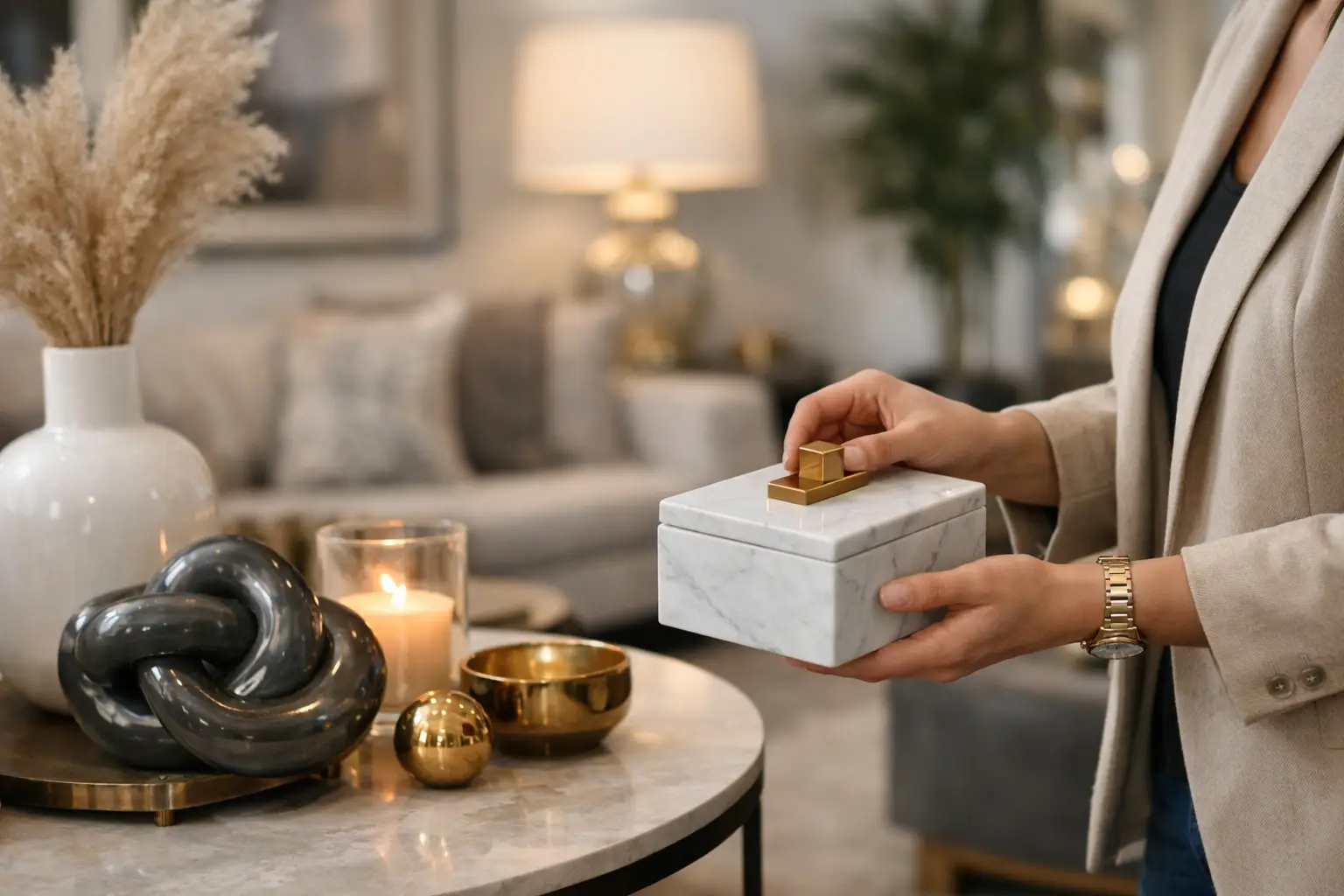
A room can look expensive without being crowded, and it can feel disappointing despite a high price tag. The difference is usually not the budget. It is knowing how to shop premium home decor with a clear point of view: what deserves investment, what can be layered in over time, and what will still feel right after the trend cycle moves on.
Premium decorating is less about filling a cart with matching pieces and more about creating an environment with intention. For a city apartment, that might mean a sculptural table lamp and richly textured throw that give a compact living room presence. For a busy family home, it may mean a performance fabric accent chair, elegant storage, and durable finishes that keep their appeal through real life.
How to Shop Premium Home Decor Without Guesswork
Start with the feeling you want a room to create. Consider how you want to arrive in the space at the end of the day: relaxed, energized, collected, or quietly polished. A room designed around that answer will make better sense than one built around isolated product photos.
Choose three descriptive words before you shop. Perhaps your dining area is warm, modern, and organic. Your bedroom might be serene, tailored, and tactile. These words become a filter. A glossy chrome side table may be beautiful, but it is probably not the right choice for a room centered on soft, natural materials.
This approach also protects you from the most common online-shopping mistake: buying pieces that look premium individually but compete once they arrive. A successful space has contrast, but it also has a consistent visual language. Let materials, color temperature, or silhouette repeat subtly across the room.
Begin With the Pieces That Carry the Room
Not every item needs a luxury-level price. The most strategic premium homes pair investment pieces with accessible accents, creating a layered result that feels personal rather than showroom-perfect.
Prioritize the elements that are used daily or set the room’s scale. In a living room, that usually means the sofa, rug, coffee table, and lighting. In a bedroom, consider the bed, nightstands, window treatments, and bedding. In a dining space, a well-proportioned table and comfortable chairs will do more for the overall impression than a collection of small decorative objects.
A strong foundation gives you freedom elsewhere. Once the essential pieces are thoughtfully selected, you can introduce seasonal pillows, candleholders, trays, and artwork without making the room feel temporary. This is particularly useful for shoppers who love fresh finds but want their home to remain composed year after year.
Spend for touch, structure, and visual weight
Premium is often something you notice through use. A solid wood console has a satisfying presence. A weighted linen curtain falls with elegance. A ceramic vase with a hand-finished surface catches light differently than a lightweight imitation. These details add up.
When evaluating a larger purchase, look beyond the headline image. Review the material composition, dimensions, finish description, care instructions, and construction details. Words such as solid wood, natural stone, linen, wool, full-grain leather, powder-coated steel, and hand-finished can signal quality, but context matters. Veneer can be a smart, beautiful choice when it is well-made, while an all-solid-wood piece may be unnecessary for a low-impact decorative surface.
The better question is whether the material suits the job. Marble is striking on a cocktail table but needs care. Boucle creates softness and depth, though it may be less forgiving around pets or sticky fingers. Glass visually opens a small room, yet it requires more frequent cleaning. Premium shopping means choosing with your lifestyle in mind, not simply choosing the most delicate option.
Use Proportion to Make Every Purchase Look Better
The right decor can look undersized or awkward when proportion is ignored. Before ordering, measure the available footprint, wall width, ceiling height, and nearby furniture. Keep those measurements on your phone while browsing.
A rug should anchor a seating area rather than float in its center. Ideally, the front legs of sofas and chairs sit on it. A coffee table should feel reachable from the seating without blocking movement. Art above a console or sofa generally looks best when it relates to the width of the furniture below, rather than being treated as a small afterthought on a large wall.
Scale is especially powerful in smaller homes. One substantial mirror, floor lamp, or oversized piece of art can bring more sophistication than several tiny accessories. Larger accents create a deliberate focal point and reduce visual noise.
Build in layers, not matching sets
Matching furniture collections are convenient, but too much coordination can make a room feel flat. Instead, aim for a conversation between finishes. Pair warm wood with aged brass, matte black with creamy upholstery, or polished stone with woven fibers.
This does not mean every piece must be different. Repetition creates calm. You might carry a soft black finish from a picture frame to a lamp base, or echo the warm oak tone of a dining table in a woven basket nearby. The goal is harmony, not perfect matching.
Texture is the easiest way to create this layered effect. Consider smooth ceramic beside nubby fabric, a sleek metal tray on a wood ottoman, or crisp cotton bedding softened with a quilted coverlet. In neutral rooms, texture provides depth that color alone cannot deliver.
Let Lighting Do the Expensive Work
Lighting changes the perceived quality of every finish in the room. A thoughtfully chosen lamp can make a modest console look elevated; harsh overhead lighting can make even exceptional furniture feel less inviting.
Use more than one light source whenever possible. A ceiling fixture supplies general illumination, while table lamps, floor lamps, sconces, and accent lighting add warmth at eye level. For living rooms and bedrooms, prioritize bulbs with a warm color temperature and use dimmers where practical. The room should be adaptable enough for reading, entertaining, working, and unwinding.
Treat fixtures as decor, not merely utility. A sculptural pendant above a dining table or an elegant pair of bedside lamps can provide the architectural detail a room has been missing. This is one category where a distinctive silhouette often delivers an immediate premium effect.
Shop Online With a Designer’s Discipline
Online shopping offers exceptional range, but it asks you to be selective. Save items to a short list first instead of checking out as soon as something catches your eye. Then compare the finalists against your room measurements, palette, existing finishes, and intended use.
Product photography can disguise scale, so look for photos showing an item in a styled room and compare it with the listed dimensions. Read reviews for practical insight about color, assembly, texture, and sturdiness. If a return policy is available, understand the window and any conditions before committing to a major furnishing.
It is also wise to distinguish a statement from a staple. A dramatic red lacquer tray or whimsical decorative object may be a worthwhile joy purchase. A sofa, rug, or dining chair deserves more research because it will shape the room for years. Save your bolder experimentation for pieces that are easy to move, restyle, or replace.
At Bluurban, curated home finds can make this process feel more focused, helping you browse with a lifestyle vision rather than getting lost in endless options. The strongest choices are rarely the loudest. They are the pieces that look refined, work beautifully, and quietly improve the way you live.
Know When to Wait
A premium home is allowed to look unfinished for a while. Buying a placeholder simply to fill an empty corner often costs more than waiting for a piece with the right proportion, material, and character. Let a room develop as you learn how you use it.
If you are unsure between two options, choose the one that supports the room’s long-term foundation. A timeless rug, graceful lamp, or versatile side table will outlast a trend-led accent that only works in one particular arrangement. The exception is when a playful detail genuinely makes you happy. Homes should feel elevated, but never overly precious.
The most memorable interiors do not announce every purchase. They invite you to notice the soft light, the balanced proportions, the tactile materials, and the sense that everything belongs. Shop with that feeling in mind, and each new piece can make home feel a little more like your own private standard of living.









Leave a comment