
How to Style Designer Handbags With Ease
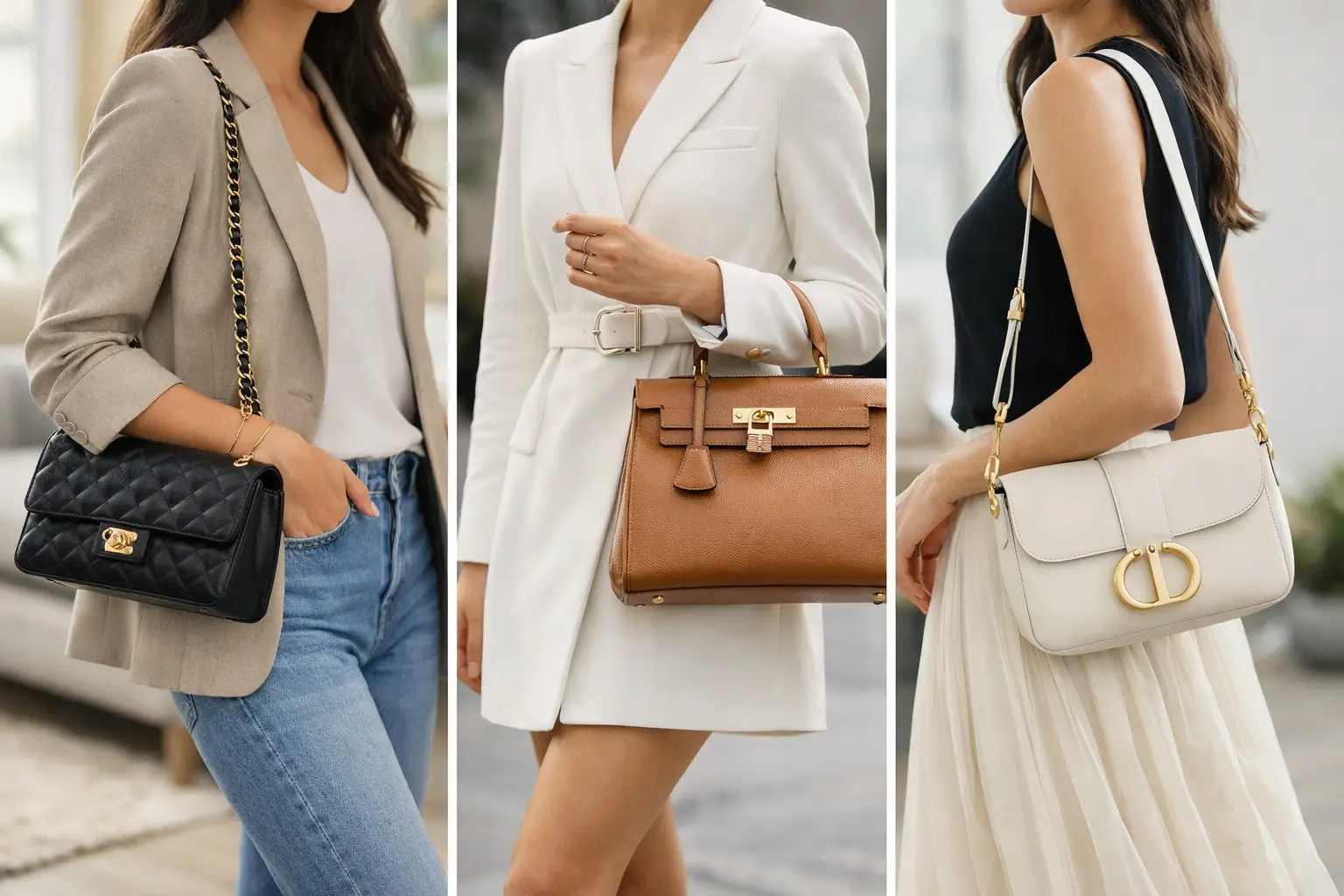
A designer handbag should never feel like an accessory you have to save for a special occasion. The most polished wardrobes use one with intention: a structured tote that sharpens an office look, a compact shoulder bag that gives denim a more refined finish, or an elegant clutch that keeps an evening outfit clean and considered. Learning how to style designer handbags is less about matching every detail and more about understanding proportion, occasion, and the mood you want to create.
A beautifully made bag can carry an outfit, but it should not compete with it. Treat it as the finishing piece that brings your personal style into focus – whether your look leans minimal, trend-conscious, classic, or relaxed.
How to Style Designer Handbags by Outfit Proportion
The size and shape of your handbag influence the entire silhouette. A roomy tote has presence. A small bag creates a lighter, more edited effect. Before reaching for a color match, consider the visual balance between the bag, your clothing, and the scale of the occasion.
With oversized tailoring, wide-leg trousers, maxi dresses, or voluminous outerwear, a medium or larger structured bag often looks most natural. It holds its own beside substantial fabrics and relaxed proportions. A sleek top-handle bag can add definition to a loose suit, while a premium leather tote gives a long coat or knit set a purposeful finish.
For fitted dresses, cropped jackets, slim jeans, or streamlined evening pieces, choose a smaller shoulder bag, mini bag, or clutch. The contrast keeps the outfit from feeling weighed down. A compact bag worn close to the body is especially effective when the clothing itself has clean lines.
There are exceptions. An intentionally oversized bag with a simple slip dress can feel fashion-forward, and a tiny bag with an oversized sweater can look fresh. The key is to make the contrast look deliberate rather than accidental. If your outfit already has a lot of volume, color, or texture, select a bag with a quieter shape and finish.
Start With a Color Story, Not a Perfect Match
Matching shoes, belts, and handbags exactly can look polished, but it is no longer the only route to a put-together outfit. A more modern approach is to create a color story. Choose shades that belong in the same visual family, then let one element offer contrast.
A black designer bag is a natural anchor for nearly every wardrobe, from denim and a white shirt to a tailored black dress. It is practical, graphic, and especially useful when your outfit includes bold color or print. Brown, espresso, and cognac handbags bring warmth to cream, camel, olive, denim, navy, and soft autumnal shades. They also make casual outfits feel more luxurious without looking overly formal.
For a lighter look, ivory, taupe, stone, blush, and soft gray are elegant neutrals that work beautifully with spring dresses, monochrome sets, and pale denim. Keep in mind that light bags need a little more care in high-contact situations such as commuting, crowded travel days, or outdoor events.
A vivid bag can be the standout piece when the rest of the look is restrained. Think a red crossbody with a navy blazer and jeans, or a jewel-toned shoulder bag against an all-black evening outfit. Let the color repeat once in a subtle way, perhaps through lipstick, a scarf, or a nail shade. It does not need to appear everywhere to feel connected.
Use Hardware as a Styling Detail
Gold, silver, brushed metal, and tonal hardware all create different impressions. Warm gold hardware complements camel, chocolate, cream, burgundy, and rich green particularly well. Silver or pewter feels crisp with black, charcoal, navy, cool gray, and icy pastels.
This does not mean your jewelry must match your bag hardware perfectly. Mixed metals can look sophisticated when the outfit is otherwise simple. The goal is visual confidence, not a rigid formula.
Choose the Right Bag for the Moment
A designer handbag looks most elevated when it makes sense for where you are going. A large logo tote may be ideal for a flight or full workday but can feel cumbersome at a dinner table. A delicate mini bag may be perfect for cocktails yet frustrating for a day that requires chargers, sunglasses, and daily essentials.
For work, look for a refined tote, satchel, or structured shoulder bag that accommodates your practical needs while maintaining a clean profile. Neutral leather, subtle branding, and durable handles create a professional finish. Pair it with trousers, a midi skirt, a blazer, or even elevated dark-wash denim when your workplace is more relaxed.
For weekends, a crossbody or soft shoulder bag gives you movement and ease. It works with sneakers, loafers, denim, casual dresses, and lightweight layers without making the outfit feel overdone. A crossbody is also one of the smartest choices for city plans, markets, and hands-free errands.
For dinner and events, shift toward compact silhouettes. A clutch, baguette bag, or polished mini top-handle bag lets the outfit take center stage. Satin, metallic finishes, embellished details, and high-shine leather are appropriate here, but they tend to look best with simpler clothing. If the dress has dramatic texture, use a smooth bag. If your outfit is minimal, an expressive bag can add the right amount of interest.
For travel, function deserves equal billing with style. A durable, well-organized tote or zip-top shoulder bag can still feel premium while keeping documents, tech, and essentials within reach. Choose a color that can handle frequent wear, and avoid bringing your most delicate piece if the trip involves unpredictable weather or packed itineraries.
Let One Statement Piece Lead
The quickest way to make a designer handbag look intentional is to decide what the focal point of the outfit will be. If the bag has a bold monogram, sculptural shape, unusual color, or statement hardware, let it lead. Keep the clothing tailored, tonal, or otherwise understated.
If your outfit is the statement – perhaps a printed dress, bright suit, or dramatic coat – choose a bag that supports rather than competes. A clean black, cream, tan, or metallic option can provide balance without disappearing.
This principle also applies to accessories. With a distinctive handbag, you may only need small earrings and a watch. With a minimal bag, layered jewelry, a great belt, or standout shoes can add personality. Styling is strongest when every piece has room to be noticed.
Wear It in a Way That Supports the Look
How you carry a bag changes its effect. A top-handle bag held in the hand feels polished and composed, making it ideal for tailored looks, appointments, and evening plans. Worn at the elbow, it has a softer, more classic feel, though this works best when you do not need to be hands-free.
A shoulder bag tucked neatly under the arm can make a simple outfit feel instantly more fashion-led. A crossbody worn high and close to the torso looks modern and practical, especially with casual layers. Letting it hang too low can disrupt proportions, particularly with longer coats or oversized knits. Adjust the strap before leaving home.
Avoid overfilling any handbag, even a generously sized tote. A bag that is stretched, misshapen, or difficult to close loses the clean silhouette that makes it feel special. Use a small organizer if you carry many essentials, and reserve a structured bag for the items it is designed to hold.
Build a Handbag Wardrobe That Works Harder
You do not need a large collection to create varied, elevated looks. A few thoughtful silhouettes cover most of life: an everyday neutral bag, a practical larger option, a hands-free crossbody, and an evening piece with a more refined finish. From there, choose based on your routine, wardrobe palette, and the occasions you dress for most.
If your closet is full of neutrals, a colorful bag may give you the greatest styling range. If you wear bright prints and seasonal color often, an elegant black, brown, or cream bag may prove more versatile. Value is not only about the label or the price. It is about how often a piece fits naturally into your life.
At Bluurban, elevated style is about making every choice feel considered, from the accessories you carry to the way they support your day. Choose the bag that suits the moment, wear it with confidence, and let excellent craftsmanship do what it does best: make everyday dressing feel a little more exceptional.








Leave a comment