
The Future of AI Shopping Assistants
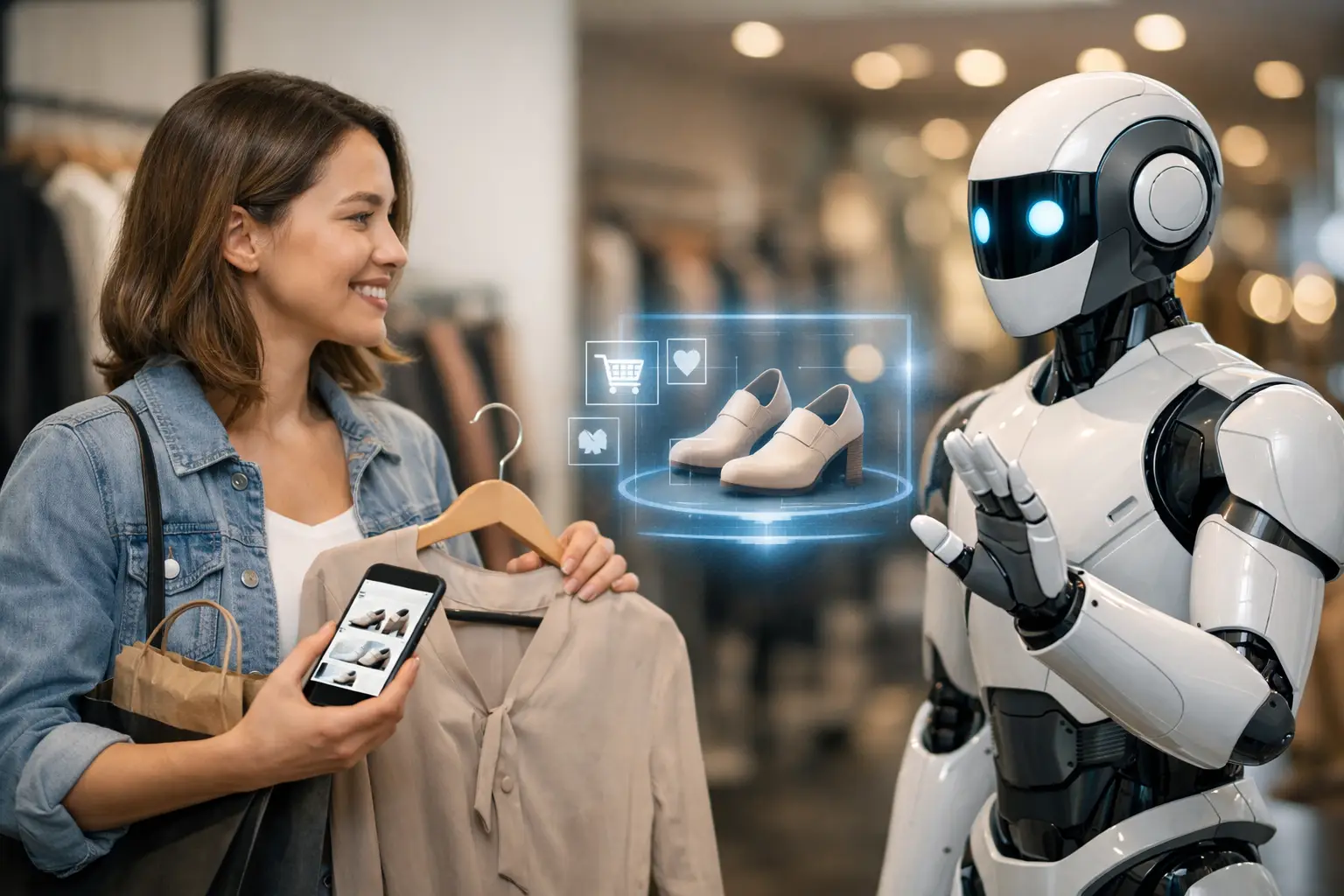
A great shopping experience used to depend on taste, timing, and patience. Now it increasingly depends on whether a digital assistant can understand your style, your budget, your standards, and the reason you are shopping in the first place. The future of AI shopping assistants is not about replacing the pleasure of browsing. It is about making discovery feel more curated, more intelligent, and far less wasteful.
For shoppers who move between home upgrades, beauty essentials, smart tech, gifts, and everyday practical buys, that shift matters. The modern cart is no longer built in a single category. It reflects a lifestyle. That is exactly why AI shopping tools are moving beyond basic chat widgets and simple recommendation boxes. They are becoming taste-driven retail companions that can help narrow options, explain trade-offs, and guide decisions with much more context.
What the future of AI shopping assistants really looks like
The next generation of shopping assistants will be far more than search bars with friendlier language. They will combine product knowledge, visual understanding, behavioral patterns, and real-time intent. In plain terms, they will know the difference between someone casually browsing for inspiration and someone trying to furnish a small apartment by Friday.
That distinction changes everything. A strong assistant will not just ask what you want. It will infer what matters most. If you are shopping for a coffee table, it may recognize that your priority is not simply “wood” or “modern.” It may understand that you want a warm-toned piece that works in a narrow living room, pairs well with a cream rug, hides minor wear, and stays under a set budget.
This is where premium ecommerce gets interesting. Curation has always been valuable because too much choice creates friction. AI can make that curation dynamic. Instead of showing the same best sellers to everyone, it can shape a selection around mood, use case, and personal taste. That feels less like mass retail and more like private client service at scale.
From product search to lifestyle guidance
Today, many AI shopping tools still operate at the product level. They help compare features, summarize reviews, or answer availability questions. Useful, yes, but still narrow. The future of AI shopping assistants will be defined by their ability to think in scenes and systems, not just single items.
A shopper rarely buys a lamp in isolation. They are finishing a reading corner, refreshing a bedroom, or trying to make a new place feel polished without overspending. AI assistants that understand this broader context will become dramatically more helpful. They will recommend not only the lamp, but also the right bulb temperature, a side table that fits the proportion, and perhaps a styling direction that suits the room.
The same pattern applies across categories. In beauty, the assistant may build a routine instead of suggesting one serum. In consumer tech, it may weigh compatibility, portability, and actual daily use instead of pushing the highest-spec option. In fashion, it may recommend pieces that work with your existing wardrobe rather than chasing novelty for its own sake.
That shift from item matching to lifestyle guidance is what will make AI shopping feel more elevated. It respects the fact that people do not just buy products. They buy outcomes.
Personalization will get sharper, but trust will decide who wins
Personalization is often framed as an obvious good, but shoppers are more selective than that. They appreciate relevance. They do not appreciate feeling watched. The brands and platforms that succeed with AI assistants will be the ones that balance precision with restraint.
An assistant should remember your preferences in a way that feels useful, not intrusive. If it knows you prefer neutral interiors, travel-friendly beauty formats, or Apple-compatible accessories, that can save time and improve recommendations. But there is a line. If the assistant becomes too familiar, too insistent, or too eager to upsell, the experience loses its premium feel.
Trust also depends on honesty. Good AI shopping assistants should explain why they are recommending something. Is it the best value in your price range? Is it highly rated for durability? Is it aligned with previous purchases? Shoppers are more likely to act when the rationale is visible.
There is also the issue of bias. Assistants trained to maximize conversions may over-prioritize margin, sponsored placements, or popular inventory. That may be good for short-term revenue, but it weakens confidence. In a refined retail environment, the assistant should feel like a discerning advisor, not a pushy salesperson.
Visual AI will change how people shop
One of the most powerful developments ahead is visual shopping intelligence. Many customers already know what they like before they know what it is called. They save room images, outfit inspiration, countertop finishes, and desk setups. Traditional search has always struggled with that kind of intent.
Visual AI changes the equation. A shopper can upload an image of a tailored living room, a street-style look, or a minimalist vanity setup and ask for products that match the mood. Not exact duplicates, but pieces that capture the same finish, silhouette, function, or feeling.
For a lifestyle-driven marketplace, this creates a stronger bridge between inspiration and transaction. It allows editorial content, curated collections, and product discovery to work together. A customer might start with an aesthetic reference and end with a basket that includes decor, lighting, organizers, and a digital guide that helps complete the look. That kind of cross-category intelligence fits how people actually shop when they are upgrading their lives, not just checking off errands.
The best assistants will know when not to sell
A smart assistant should sometimes tell you not to buy the more expensive option. It should point out when a lower-priced version will do the job, when two products are functionally similar, or when a feature probably will not matter for your needs. This sounds simple, but it represents a major shift.
Most ecommerce experiences still reward volume and urgency. AI creates an opportunity for something more sophisticated. By reducing bad-fit purchases, returns, and buyer regret, assistants can increase long-term loyalty. That is especially important in categories where fit, scale, texture, compatibility, or routine-building matter.
There is a trade-off, of course. A brand that uses AI to slow down the sale may lose some impulse conversions. But it may gain something more valuable: a reputation for discernment. For premium-positioned commerce, that matters.
Human taste will still matter
There is a temptation to imagine AI taking over curation entirely. That is unlikely, and it would not even be desirable. Taste is cultural. It is seasonal. It is emotional. It often comes from people who can sense shifts before the data catches up.
The strongest retail experiences will combine human merchandising with AI interpretation. Editors, buyers, stylists, and category experts will still shape what deserves attention. AI will make that expertise more responsive by matching it to the right shopper at the right moment.
This hybrid model is especially compelling for broad lifestyle retail. A platform like Bluurban can present premium finds across home, fashion, beauty, tech, and digital resources, while AI helps customers move through that assortment with more clarity and confidence. The result is not less discovery. It is better discovery.
Where the future of AI shopping assistants gets complicated
There are real limits to what AI can do well. It may misunderstand tone, overstate confidence, or flatten nuanced preferences into generic profiles. It can struggle with edge cases, especially when a purchase is deeply personal or emotionally loaded. Gift shopping, for example, often depends on subtleties that are hard to reduce to prompts.
There is also the challenge of over-automation. If every recommendation starts to look perfectly optimized, shopping can lose its charm. Part of luxury and aspirational retail is the thrill of the unexpected find. AI should sharpen relevance without draining away surprise.
That means the future is not about handing over every decision. It is about creating a more elegant balance between inspiration and efficiency. Some shoppers will want a highly guided path. Others will want a light-touch assistant that answers questions and then steps back. The best systems will adapt to both.
What shoppers should expect next
Over the next few years, expect AI assistants to become more conversational, more visually aware, and more embedded across the full shopping journey. They will help with discovery, comparison, bundling, post-purchase support, and even ongoing use. They may remind you when to replenish essentials, suggest upgrades based on how your needs change, or refine recommendations as your style evolves.
The winners will not be the loudest tools or the flashiest demos. They will be the assistants that make shopping feel more considered. Faster, yes, but also more tailored. More polished. More aligned with the way people actually want to live.
If AI can help shoppers cut through noise without flattening taste, it will not make retail colder. It will make it more personal in the ways that count.











Leave a comment