
12 Best Smart Gadgets for Home in 2026
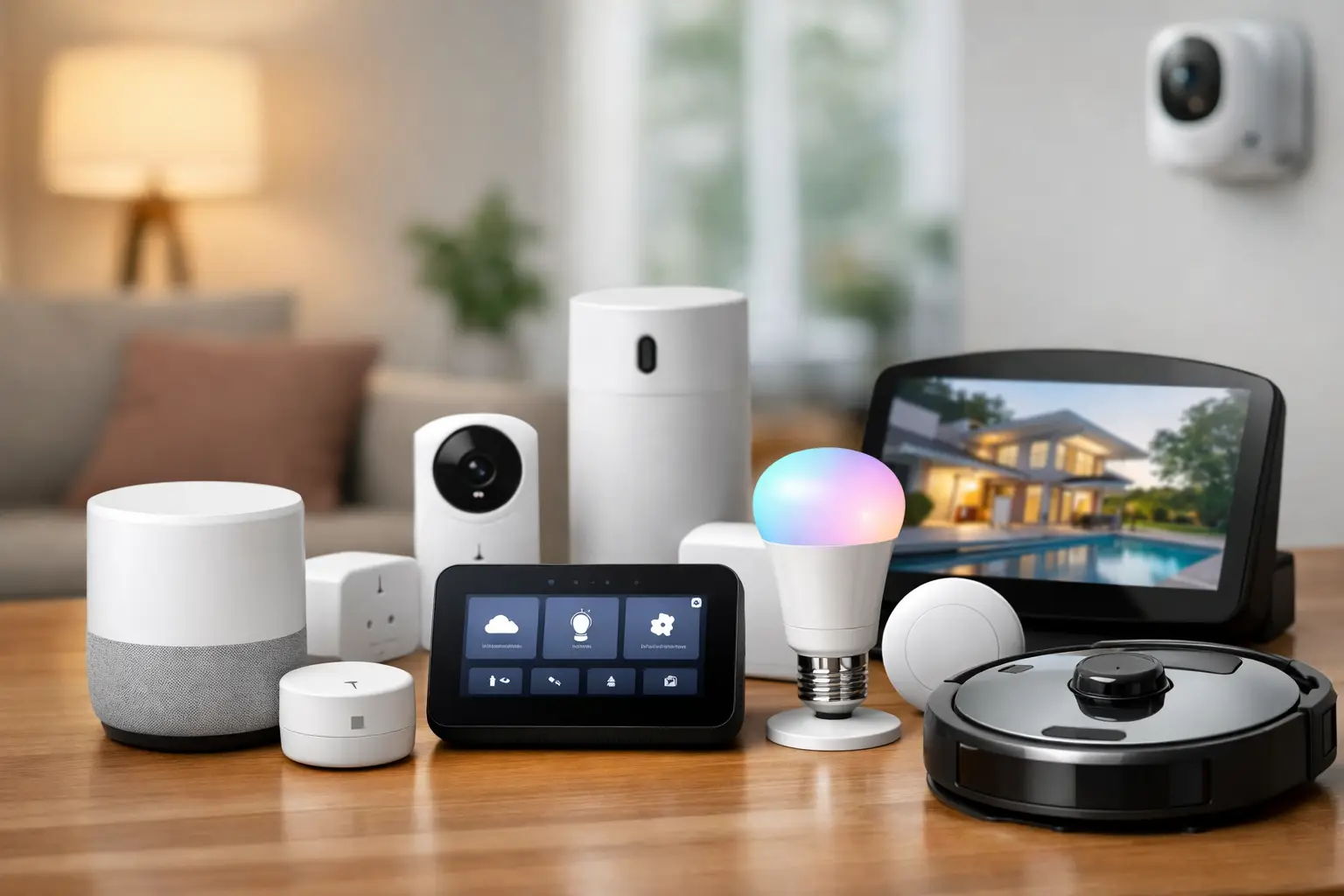
A home rarely feels upgraded by one dramatic purchase. More often, it changes through small, well-chosen improvements – the lamp that adjusts to your evening routine, the doorbell that adds peace of mind, the speaker that quietly becomes the control center for your day. The best smart gadgets for home do exactly that. They add convenience, polish, and a little more control without making your space feel overcomplicated.
The key is choosing devices that fit how you actually live. A sleek apartment setup has different needs than a busy family home, and a stylish gadget that creates daily friction is not really an upgrade. The most worthwhile smart products blend into your routine, look good in the room, and solve a real problem.
What makes the best smart gadgets for home worth buying
Smart home shopping gets crowded fast. Every category promises efficiency, security, and better living, but not every device earns its place on your counter, wall, or nightstand. The strongest picks tend to do three things well: they save time, reduce mental load, and improve the atmosphere of the home.
That might mean a thermostat that cuts energy waste while keeping the room comfortable, or smart lighting that shifts from bright and productive in the morning to warm and relaxed at night. In some homes, the priority is security. In others, it is comfort, convenience, or entertainment. The right answer depends less on trends and more on your layout, habits, and tolerance for managing yet another app.
There is also the style factor. For design-conscious shoppers, smart tech should not feel like an eyesore. Premium finishes, compact profiles, and understated design matter, especially in kitchens, living rooms, and entryways where devices stay visible.
Smart speakers and displays set the tone
If you are building a smart home from scratch, a speaker or display is usually the most useful starting point. It acts as the hub for voice commands, timers, reminders, music, and device control. You can dim lights, check the weather, start a routine, or view a doorbell camera feed without reaching for your phone.
Smart displays are especially appealing in kitchens and family spaces because they combine function with visibility. Recipes, calendar updates, video calls, and security previews all live in one place. The trade-off is privacy. Some shoppers love the convenience of an always-ready assistant, while others prefer to keep microphones and cameras to a minimum in shared rooms.
For smaller apartments or minimalist interiors, a compact smart speaker may be the better fit. It offers the control benefits without adding another screen to the room.
Smart lighting delivers the fastest transformation
Few upgrades change the feel of a home faster than smart lighting. It is practical, relatively easy to install, and surprisingly effective at making a space feel more elevated. Smart bulbs, light strips, and switches let you adjust brightness, color temperature, and schedules to suit the time of day.
In real use, this means brighter light for work hours, softer tones for dinner, and automatic shutoff at bedtime. In an entryway or living room, it can also create a more curated ambiance that feels closer to boutique hospitality than basic overhead lighting.
Bulbs are ideal for renters because they install quickly and move with you. Smart switches make more sense for homeowners who want cleaner wall control and do not want every guest relying on an app. If your household often flips the switch manually, smart bulbs can become annoying unless the setup is carefully planned.
Video doorbells and smart locks add modern security
Security is one of the clearest reasons people invest in connected devices, and for good reason. A video doorbell lets you see deliveries, visitors, and unexpected activity from anywhere. A smart lock adds keyless access, temporary codes for guests, and easier entry when your hands are full.
Together, they create a front-door experience that feels noticeably more refined. For busy households, parents, and frequent travelers, that convenience is more than a luxury. It removes small everyday hassles and adds reassurance.
There are some trade-offs. Battery-powered models are easier to install but need recharging. Wired options require more setup but offer steadier performance. And with smart locks, compatibility matters. Not every door or deadbolt works equally well with every system, so checking measurements and app support before buying is essential.
Smart thermostats earn their keep over time
A smart thermostat is less visually exciting than a designer lamp or sleek speaker, but it can be one of the smartest upgrades in the house. It learns patterns, adjusts temperatures automatically, and helps reduce energy use without forcing you to think about it constantly.
This is where smart home tech moves beyond novelty. Instead of adding another gadget for the sake of it, a thermostat improves comfort in a way you notice over months and seasons. Waking up to a warm bedroom in winter or returning to a cooled living space in summer feels quietly luxurious.
It does require compatibility with your HVAC system, and some homes with older setups may need extra installation support. But when it works with your system, it is often one of the highest-value additions in the category.
Smart plugs are the understated favorite
Not every smart upgrade needs to be expensive or flashy. Smart plugs are often the best entry point because they make traditional appliances and lamps feel smarter without replacing them. You can automate a coffee maker, schedule accent lighting, or turn off a fan remotely.
For shoppers who want premium convenience without fully rebuilding every room, this is a practical move. It is also ideal for seasonal lighting, pet care accessories, and hard-to-reach outlets.
The limitation is simple: a smart plug only works as well as the product connected to it. Devices with mechanical on-off switches tend to work best. Anything that requires pressing a button after power resumes may not cooperate.
Robot vacuums help busy homes stay polished
A robot vacuum is one of those gadgets people underestimate until they have one running regularly. It keeps dust, crumbs, and pet hair under control between deeper cleans, which makes the whole home feel better maintained.
For young families, pet owners, and professionals with packed schedules, that daily upkeep matters. The floors look more polished, and the house reaches a cleaner baseline with less effort. More advanced models can map rooms, avoid obstacles, and even empty themselves.
Still, expectations should stay realistic. They are excellent for maintenance, not always a full replacement for occasional deep cleaning. Homes with lots of cords, high thresholds, or very complex floor plans may see more mixed results.
Kitchen smart gadgets can be worth it – selectively
The kitchen is full of tempting connected devices, from smart coffee makers to app-enabled air fryers and precision cookers. Some are genuinely useful. Others feel like standard appliances with unnecessary Wi-Fi added for marketing appeal.
The best smart gadgets for home in the kitchen tend to solve a timing or consistency issue. A programmable coffee machine that starts before you wake up is a daily luxury. A smart oven with remote monitoring is helpful for busy households juggling work, kids, and dinner prep. A precision cooker appeals to people who care about consistent results and enjoy cooking as a lifestyle experience, not just a task.
If you prefer simple appliances and rarely use special features, a connected kitchen may not be the best place to spend. In this category, buying fewer but better devices usually feels more elevated than filling drawers with niche gadgets.
Air quality gadgets are gaining real appeal
Air purifiers, humidifiers, and smart air quality monitors have moved from optional extras to thoughtful home upgrades, especially in urban spaces, allergy-prone households, and homes with pets. These devices do not just collect data. The better ones respond to changing conditions automatically and help maintain a more comfortable environment.
A smart purifier in a bedroom can improve sleep quality for some users. A connected humidifier can help keep winter air from feeling harsh and dry. And a monitor gives useful visibility into what is happening indoors, though not every household needs that level of detail.
This category tends to appeal most when comfort and wellness are top priorities. If your home already feels stable year-round, the benefits may be subtler.
How to choose the right smart home setup
The best approach is not buying the most devices. It is building around your daily routine. Start with one pain point. If mornings feel chaotic, look at lighting, speakers, or coffee automation. If your priority is peace of mind, begin with a video doorbell or lock. If your home never feels quite comfortable, climate and air quality devices may give you more value than entertainment tech.
It also helps to choose an ecosystem early. Mixing platforms can work, but it often leads to friction. A more cohesive setup feels cleaner, easier to manage, and more premium in everyday use.
For style-focused shoppers, visual design should stay part of the decision. Smart home tech is now mature enough that you do not have to accept clunky shapes and cheap finishes. The strongest products feel intentional in the room, not merely tolerated.
A well-curated smart home should feel less like a tech demo and more like a better version of daily living. Choose the devices that make your space calmer, more beautiful, and easier to enjoy – then let the rest wait until it earns its place.










Leave a comment