
What a Multi Brand Luxury Fashion Retailer Offers
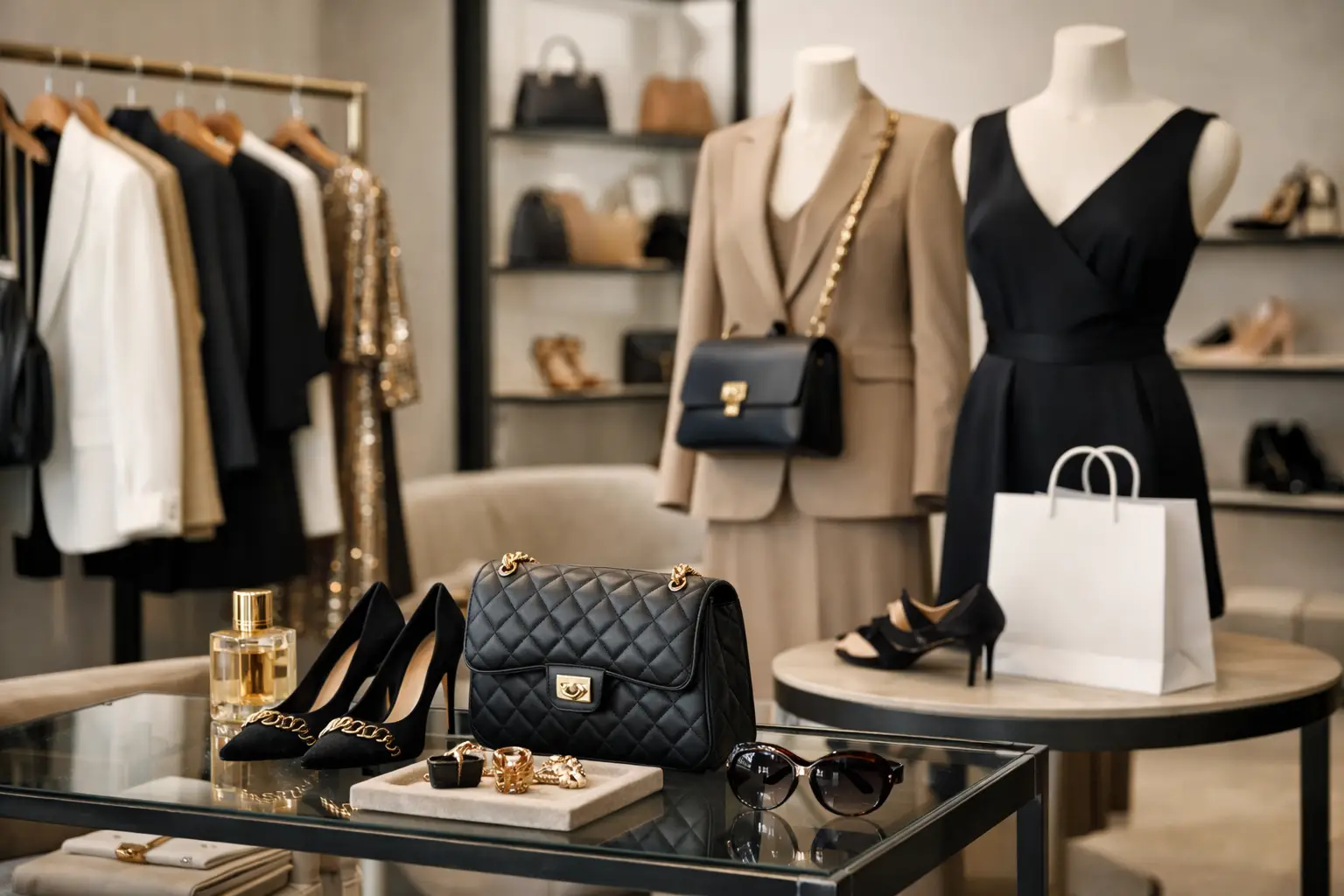
The difference shows up before you even add to cart. A strong multi brand luxury fashion retailer does more than stack designer labels on one page – it creates a point of view. You are not just shopping for a dress, a handbag, or a pair of loafers. You are shopping a standard of taste, an edit of what feels current, polished, and worth bringing into your wardrobe.
That distinction matters more than ever. Luxury shoppers in the US are balancing aspiration with practicality. They want exceptional design, but they also want range, convenience, and confidence in what they are buying. That is why the multi-brand model continues to hold its appeal. When it is done well, it offers the excitement of discovery with the reassurance of curation.
Why the multi brand luxury fashion retailer still matters
There is a reason this retail model remains influential even as direct-to-consumer brands and single-label boutiques compete for attention. A multi brand luxury fashion retailer gives shoppers something individual brands rarely can – context.
Seeing pieces across designers helps you compare silhouettes, materials, pricing, and styling in real time. A tailored blazer from one house feels different when placed beside a softer, more relaxed version from another. A minimalist leather tote gains new relevance when you can weigh it against trend-forward alternatives in the same session. The result is a smarter purchase, not just a faster one.
That broader view also helps shoppers build wardrobes instead of chasing one-off items. Luxury buying tends to feel more intentional when you can assemble a look across categories and labels. You might pair established designer staples with newer names that bring freshness and edge. For many customers, that mix is where personal style actually happens.
Curation is the real luxury
Plenty of stores sell expensive fashion. Not all of them curate well. The best multi-brand retailers are editors as much as merchants, and that editorial instinct is what separates a premium shopping experience from a crowded catalog.
Good curation does not mean limiting choice for the sake of exclusivity. It means filtering the market with discipline. The assortment should feel considered – strong in quality, clear in aesthetic, and balanced across timeless investment pieces and seasonal updates. Too much sameness makes a luxury selection feel flat. Too much randomness makes it feel unreliable.
For the shopper, curation saves energy. It reduces the friction that comes from sorting through endless product pages with no guiding vision. In a premium retail environment, discovery should still feel exciting, but it should not feel chaotic.
This is where a retailer with a lifestyle perspective often stands out. Fashion does not exist in isolation. Customers who care about wardrobe, home, beauty, travel, and daily presentation usually want those choices to reflect the same sensibility. A retailer that understands elevated living can merchandise fashion in a way that feels connected to the rest of modern life rather than detached from it.
What shoppers expect from a multi brand luxury fashion retailer
The baseline has changed. Luxury customers no longer judge a retailer only by the names it carries. They judge it by the quality of the entire experience.
First, they expect a refined assortment. That means recognized labels, emerging designers with credibility, and product depth where it counts. A retailer does not need every brand in the market, but it does need a reason behind every brand it chooses.
Second, they expect strong visual presentation. Luxury fashion is emotional. Fabric, cut, finish, and styling all influence perception. Clear imagery, polished merchandising, and cohesive category organization shape trust before any product details are read.
Third, they expect convenience without sacrificing prestige. Fast browsing, straightforward filters, and an intuitive path from inspiration to purchase are no longer optional. The luxury shopper may appreciate exclusivity, but they still want efficiency.
And finally, they expect value. In luxury, value does not always mean low prices. More often, it means confidence that the item deserves its place in the wardrobe and the spend. Access to a well-edited range helps create that confidence.
The balance between exclusivity and accessibility
This is where retail strategy gets interesting. If a store leans too far into exclusivity, it can alienate customers who are luxury-curious but not elite insiders. If it becomes too broad or overly promotional, it risks losing the sense of distinction that gives luxury its appeal.
The strongest retailers sit in the middle with intention. They present fashion through an aspirational lens while still making the experience approachable. That might mean combining investment outerwear with attainable accessories, or pairing designer fashion with useful editorial guidance that helps shoppers understand styling, quality, and occasion.
For a broad lifestyle marketplace, this approach can be especially powerful. It invites customers to shop up without feeling excluded. Premium presentation matters, but so does helping people make smart, satisfying choices.
How multi-brand retail shapes better style decisions
One of the most underrated benefits of this format is comparison. Single-brand shopping can be immersive, but it can also narrow perspective. You are seeing one designer’s answer to the season, one label’s price architecture, one brand’s idea of modern dressing.
A multi-brand environment opens that up. You can compare tailoring, fabrication, color direction, and design language across houses. You start to notice which pieces are trend-led and which feel lasting. You can identify where a higher price reflects craftsmanship and where it may simply reflect name recognition.
That is useful whether you are buying a major statement piece or refining your everyday uniform. Luxury fashion feels less intimidating when the shopping experience supports judgment instead of rushing it.
Trend relevance without trend fatigue
Luxury shoppers want freshness, but most do not want wardrobes built entirely around short-lived moments. A well-run multi-brand retailer helps solve that tension.
Because it draws from multiple labels, it can show how trends translate at different levels. Maybe one designer offers an exaggerated runway version of a silhouette while another delivers a cleaner, more wearable interpretation. That side-by-side perspective lets shoppers engage with what is current without overcommitting to pieces that may feel dated quickly.
This matters for people building wardrobes around real life – office days, weekends away, events, dinners, and everyday polish. The goal is not just to buy what is new. It is to buy what keeps its appeal.
The digital experience matters as much as the designer roster
Luxury ecommerce has matured. Shoppers now expect the online experience to do more than replicate a store shelf. It should guide, inspire, and reassure.
That includes thoughtful product descriptions, category pages that make visual sense, and merchandising that reflects how people actually shop. Occasion-based edits, seasonal stories, best-seller assortments, and style-driven recommendations all help a customer move from browsing to buying with more clarity.
It also helps when fashion content sits within a wider lifestyle ecosystem. A shopper interested in luxury fashion may also be thinking about beauty, travel accessories, home updates, or gifts. That broader context can make the retail experience feel richer and more useful, especially for customers who do not want to shop across five different sites to complete one lifestyle vision.
For a brand like Bluurban, that intersection is part of the opportunity. A premium marketplace can present fashion not as a silo, but as one expression of a well-styled life.
What to look for before you buy
Not every retailer carrying multiple designer names delivers the same level of quality. A polished storefront can hide a weak assortment, scattered brand mix, or inconsistent merchandising.
Look at the coherence of the selection. Do the brands make sense together? Is there a visible standard of quality? Does the site feel like it understands its customer, or is it simply aggregating labels with no real direction?
Pay attention to how products are presented. Luxury deserves specificity. Details on materials, fit, finish, and styling should feel intentional. The more clearly a retailer communicates, the easier it is to buy with confidence.
Also consider whether the retailer supports discovery. The best platforms help you find pieces you may not have searched for directly but instantly recognize as right for your wardrobe. That is one of the true pleasures of multi-brand luxury shopping.
A great multi brand luxury fashion retailer does not just give you more options. It gives you better options, framed with taste, clarity, and a stronger sense of what belongs in your life now. When that balance is right, shopping feels less like sorting through inventory and more like stepping into a sharper, more elevated version of your own style.
The best purchase is not always the boldest or the most expensive. It is the one that still feels exceptional the tenth time you wear it.








Leave a comment