
What Is Luxury Design Style, Really?
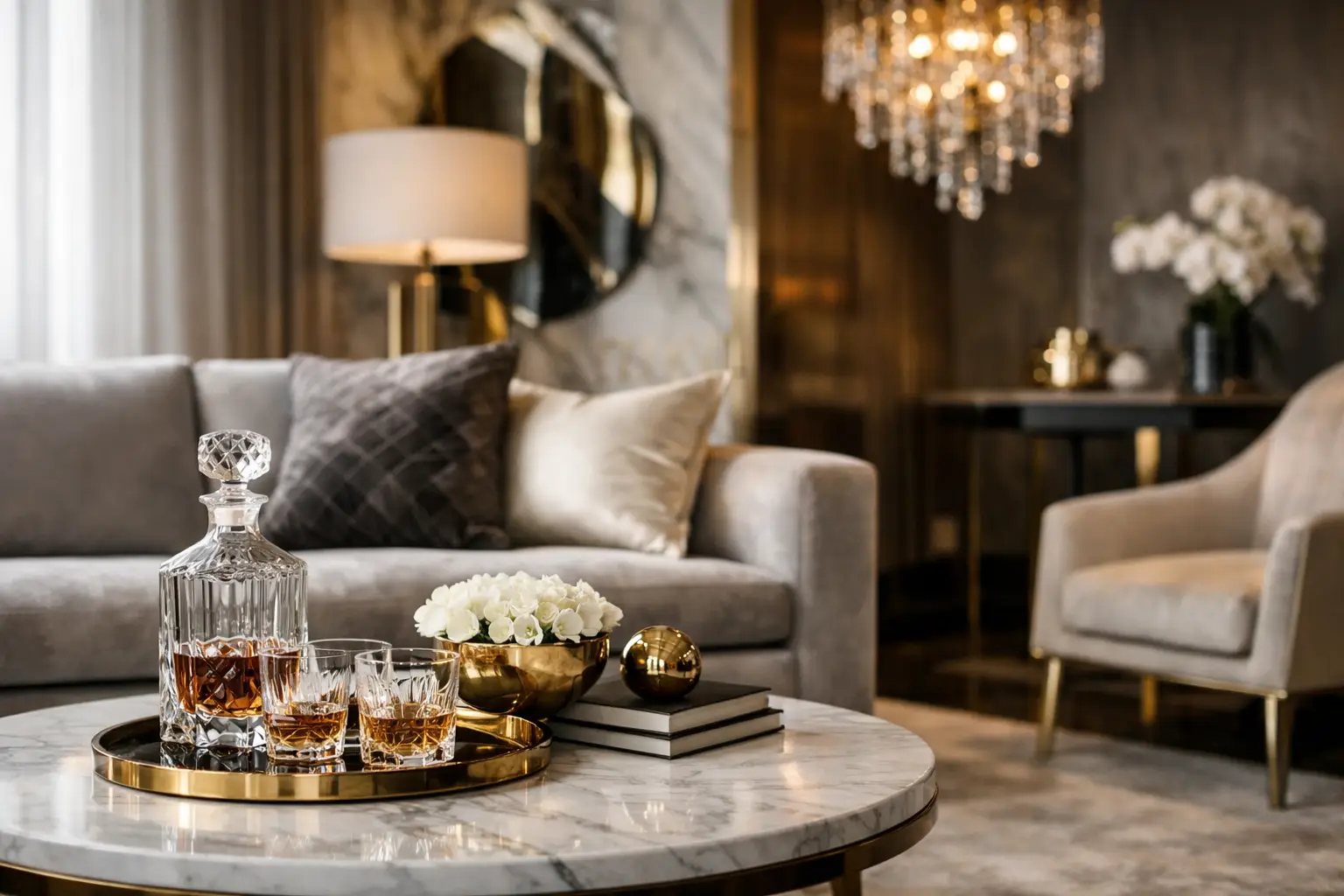
Luxury rarely announces itself with noise. You notice it in the weight of a door handle, the softness of a rug underfoot, the way a room feels calm, intentional, and expensive without trying too hard. If you have ever asked what is luxury design style, the short answer is this: it is a refined approach to interiors built on quality, proportion, material richness, and thoughtful restraint.
That definition matters because luxury design is often confused with simple extravagance. A room filled with gold accents, oversized chandeliers, and statement furniture can look expensive, but not necessarily luxurious. True luxury design style is less about showing off and more about creating an elevated experience – one that feels curated, comfortable, and lasting.
What Is Luxury Design Style in Interior Design?
At its core, luxury design style is an interior approach centered on premium materials, craftsmanship, balance, and a strong sense of intention. It prioritizes pieces that look beautiful, feel substantial, and hold their appeal over time. The result is a home that feels polished and distinctive rather than crowded with trend-driven decor.
Luxury interiors tend to share a few defining qualities. They use materials with visible depth, such as marble, natural wood, linen, boucle, velvet, brass, leather, and hand-finished ceramics. They favor furniture with clean silhouettes and tailored construction. They pay close attention to scale, so nothing feels too small, too bulky, or randomly placed. Lighting is layered rather than harsh. Storage is considered. Even decorative accents appear edited instead of piled on.
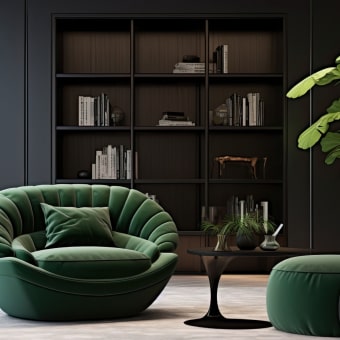
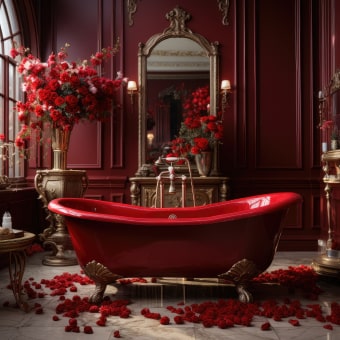
This does not mean every luxury interior looks the same. Some lean modern and minimal, with sculptural furniture and muted palettes. Others feel classic, with panel molding, antique-inspired details, and rich textures. The common thread is quality combined with control.
The Difference Between Luxury and Expensive
This is where many homes miss the mark. Expensive design can come from a high budget alone. Luxury design needs discernment.
A costly room might feature oversized furniture, flashy finishes, and too many focal points competing for attention. A luxurious room usually feels more composed. It gives the eye places to rest. It mixes standout pieces with quieter ones. It lets textures and materials do the work instead of relying on excess.
There is also a practical side to luxury. A solid wood dining table that ages beautifully may deliver more luxury than a highly decorative piece that chips within a year. Custom-looking drapery that hangs perfectly can elevate a room more than an ornate light fixture chosen just for drama. In other words, luxury often lives in performance as much as appearance.
The Core Elements of Luxury Design Style
The first signal of luxury is material quality. Real or convincingly high-end finishes create depth that flat surfaces and low-grade synthetics struggle to imitate. Stone with natural veining, woods with visible grain, hardware with a proper finish, and textiles with texture all make a space feel richer.
The second is proportion. Luxury interiors are almost always well-scaled. Rugs are large enough for the furniture. Art is sized for the wall. Lighting fixtures relate to the ceiling height and room width. When scale is off, even beautiful pieces lose their impact.
The third is cohesion. Luxury spaces feel connected from one room to the next. That does not mean everything matches. It means the palette, materials, and mood feel deliberate. A home can move from creamy neutrals in the living room to a moody, dramatic bedroom and still feel cohesive if the transitions are handled with care.
Then there is comfort. This point gets overlooked because luxury is often treated as purely visual. But a luxury room should invite use. Seating should support conversation. Bedding should feel indulgent. A kitchen should function smoothly. Beauty without comfort can feel staged, and staged rarely feels truly premium.
Color, Texture, and Finish Choices
Luxury design style usually favors depth over novelty. Neutrals are common because they create a timeless backdrop for material contrast, but that does not mean the palette has to be bland. Warm whites, taupes, mushroom tones, charcoal, espresso, olive, navy, and soft greige can all read as luxurious when layered well.
Texture is often what separates a flat room from an elevated one. Think matte walls against polished stone, soft upholstery against metal detailing, or crisp bedding paired with a woven throw. These combinations create visual interest without clutter.
Finishes matter too. Mixed metals can work beautifully, but random metal choices can cheapen the effect. Gloss can feel glamorous in the right setting, though too much shine often tips into a look that feels more theatrical than refined. In luxury interiors, finish selection is controlled. Nothing appears accidental.
Why Minimalism Often Shows Up in Luxury Spaces
Many people associate luxury with abundance, but high-end interiors often borrow heavily from minimalism. The reason is simple: when fewer things compete for attention, quality becomes easier to see.
A single sculptural chair in a reading corner can feel more luxurious than a room crowded with decor. A beautifully made bed with layered textiles can outperform a bedroom filled with novelty pieces. Editing is part of the style.
Still, minimal does not automatically mean luxurious. If a room is stripped back but uses low-quality materials or feels cold and unfinished, it will read sparse rather than elevated. Luxury minimalism depends on precision, warmth, and material richness.
Can Luxury Design Style Be Achieved on a Real-World Budget?
Yes, but it requires selectivity. You do not need a full custom build or designer-only furnishings to create a luxury feel. What you do need is a clear point of view.
Start with the surfaces and pieces that shape the room most. In a living room, that may be the sofa, rug, lighting, and window treatments. In a bedroom, it is often the bed, bedding, nightstands, and lamps. Spending strategically on those anchors usually does more than buying many smaller accents.
There are trade-offs. Natural marble may be out of reach, but a well-chosen quartz surface with subtle movement can still look premium. Full custom cabinetry may not be realistic, but upgraded hardware, better lighting, and a restrained color palette can shift the entire impression. Luxury design is not only about the highest possible spend. It is about making each choice feel intentional and elevated.
For shoppers who want that polished look without spending endlessly, curated retail matters. A platform like Bluurban fits naturally into that mindset because the appeal is not just variety – it is the ability to discover pieces that feel stylish, premium, and current across categories without losing convenience.
Common Mistakes That Undercut a Luxury Look
The biggest mistake is overdecorating. Too many vases, too many pillows, too many materials, too many trends in one room – all of it creates visual noise. Luxury needs breathing room.
Another issue is inconsistency in quality. A room with one elegant statement piece and several obviously flimsy supporting items can feel unbalanced. Not everything has to be high-end, but the room should maintain a believable standard.
Poor lighting is another common problem. One ceiling fixture rarely creates a luxury atmosphere on its own. The most elevated rooms layer lighting through sconces, table lamps, floor lamps, and ambient overhead fixtures. This creates mood, softness, and flexibility.
Finally, chasing trends too aggressively can weaken the effect. Trend awareness is useful, especially in retail-forward spaces, but luxury design style tends to interpret trends through a timeless lens. Instead of filling a room with every current look, it picks one or two and balances them with enduring forms.
How to Recognize Luxury Design Style in Any Room
In a luxury living room, you will usually see strong foundational pieces, rich texture, and a layout that feels open yet grounded. In a luxury bedroom, the emphasis shifts toward softness, symmetry, and hotel-like comfort. In a luxury kitchen, finishes, lighting, and organization play a major role. In a bathroom, spa cues matter – think plush textiles, restrained palettes, sleek hardware, and uncluttered surfaces.
What ties them together is not one signature item but a consistent standard of choice. Every element appears selected for a reason. That is the real mark of luxury.
What Luxury Design Style Really Offers
Beyond aesthetics, luxury design style creates ease. A well-designed room feels better to live in. It supports routines, elevates everyday moments, and removes the low-level friction caused by clutter, poor layout, and disposable choices. That is why luxury interiors continue to appeal across home categories, from furniture and decor to lighting, kitchen essentials, and smart home upgrades.
The best way to think about luxury design is not as a fixed formula, but as a standard. It asks for better materials, better editing, better comfort, and better intention. If a space feels calm, composed, and quietly exceptional, you are already closer to it than you might think.








Leave a comment