
What Is High End Designer Fashion?
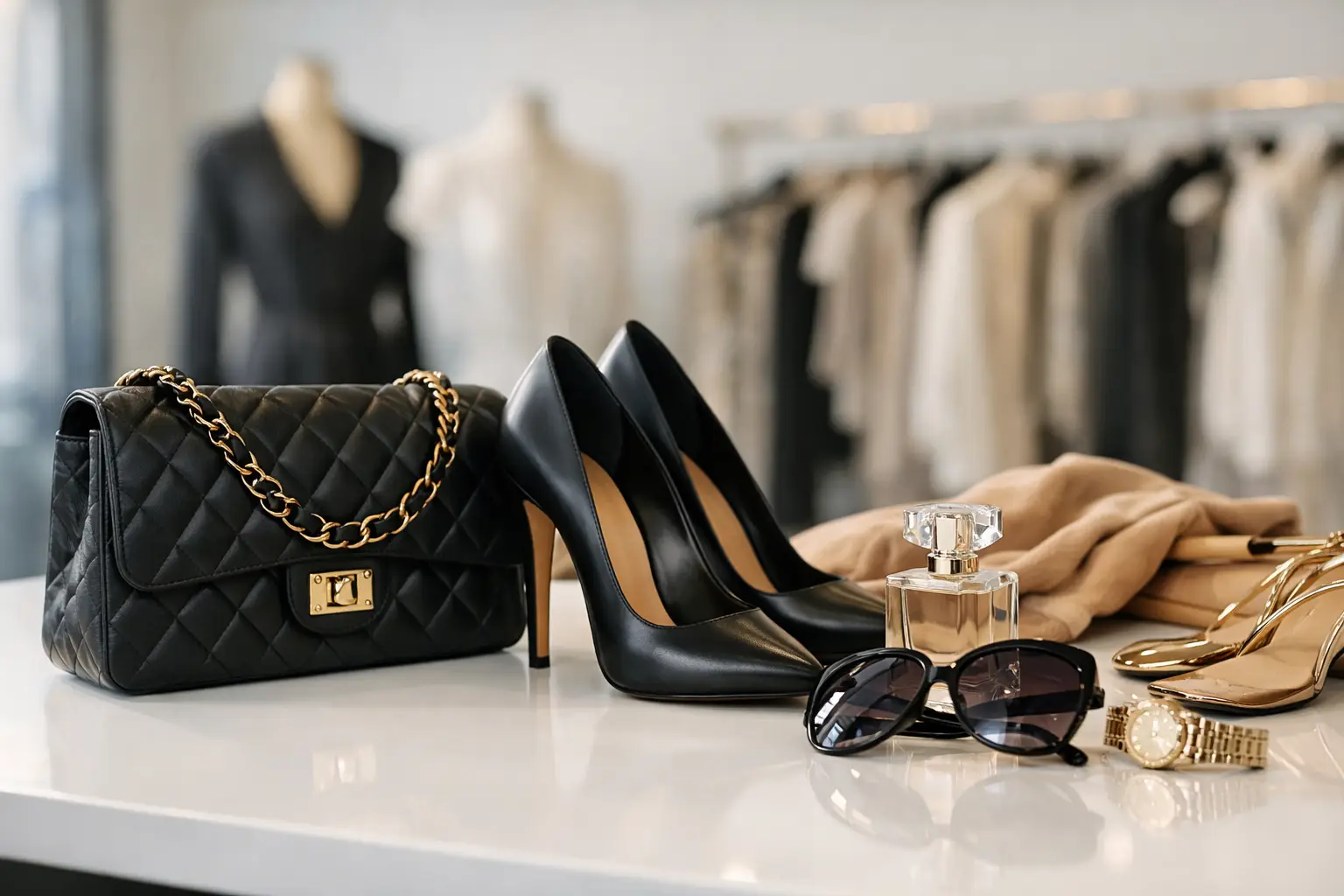
A cashmere coat that holds its shape for years, a handbag finished by hand, a dress cut so precisely it changes the way it falls on the body – this is usually where the question starts: what is high end designer fashion, really? For some shoppers, it signals status. For others, it is about craftsmanship, rarity, and the feeling of wearing something made with intention. The truth sits somewhere in between.
What Is High End Designer Fashion?
High end designer fashion refers to clothing, shoes, bags, and accessories created by premium fashion houses or independent luxury designers that are known for elevated design, superior materials, strong brand identity, and meticulous construction. It lives above mass-market fashion and above most premium basics because the value is not only in how an item looks, but in how it is designed, sourced, made, and positioned.
That does not mean every expensive item qualifies. Price matters, but price alone is not the definition. A true high-end piece usually combines creative direction, quality control, craftsmanship, and a recognizable design language. In other words, it is not simply costly. It is considered, distinctive, and meant to deliver an elevated experience.
What Makes Fashion “High End”
The fastest way to understand the category is to look at what separates it from standard retail. The first layer is material quality. High end designer fashion often uses finer fabrics, better leather, more refined hardware, and stronger finishing techniques. Silk feels denser, wool drapes better, denim holds structure longer, and lining is often chosen with as much care as the outer fabric.
The second layer is construction. Luxury garments tend to show more precision in pattern cutting, stitching, seam placement, tailoring, and finishing. That can affect everything from comfort to longevity. Even when the difference is subtle on a hanger, it becomes obvious in wear. Better construction usually means cleaner lines, stronger shape retention, and a more flattering fit.
The third layer is design authorship. High end labels are not just selling clothes. They are selling a point of view. The best designer brands build a visual world through silhouettes, color stories, iconic details, and seasonal collections. That creative consistency is part of what customers are paying for.
Then there is scarcity. Many luxury items are produced in smaller runs, released seasonally, or tied to limited distribution. Exclusivity adds appeal, but it also shapes perception. When a piece is harder to find, more tightly curated, or connected to a respected house, it enters a different tier of desirability.
Why High End Designer Fashion Costs More
This is where shoppers often split into two camps. One believes luxury pricing is justified by quality. The other sees branding and markup. Both are partly right.
High end designer fashion costs more because the inputs are often more expensive. Premium raw materials, specialized labor, lower production volume, and stricter quality standards all raise costs. So do design development, fittings, atelier work, and the image-building that luxury brands invest in so heavily.
At the same time, brand equity plays a major role. You are often paying for heritage, visibility, exclusivity, and cultural influence along with the physical object. A leather bag from an established luxury house may cost several times more than a well-made alternative with similar function. That gap is not only about leather grade or stitching hours. It is also about prestige.
For many shoppers, that trade-off is worth it in certain categories and not in others. A timeless coat, structured bag, or beautifully made pair of shoes may justify the spend because they are worn often and age well. A trend-driven piece with a premium logo but limited versatility may be harder to defend.
High End Designer Fashion vs Luxury-Inspired Fashion
Not every elevated look needs a luxury price tag. This matters because many style-conscious shoppers want the sophistication of designer fashion without building a wardrobe entirely around runway labels.
Luxury-inspired fashion usually borrows the codes of high end design – clean tailoring, refined neutrals, polished materials, minimal hardware, or statement proportions – while staying more accessible in price and production. It can still look exceptional, especially when it is thoughtfully curated.
The difference is usually in depth. High end designer fashion tends to offer more originality, stronger materials, better finishing, and a clearer creative signature. Luxury-inspired pieces can deliver the mood, but not always the same longevity or distinction. That is not a flaw. It simply means shoppers should be honest about what they want most: prestige, quality, aesthetic, or value.
How to Recognize Real Quality
If you are trying to shop smarter, labels and logos should never be your only guide. Start with the fabric composition and the feel of the piece in hand. Natural fibers are not automatically better, but high-quality wool, silk, cotton, linen, and leather often age more beautifully than cheaper synthetics.
Next, look at the finishing. Check seams, lining, buttons, zippers, hems, and structure. Does the garment feel balanced? Does the bag hold its shape? Are the details crisp rather than decorative for the sake of being decorative? High end pieces often communicate quality quietly.
Fit is another major tell. Designer fashion is not always more inclusive in sizing, but it is often more intentional in cut. A blazer that sits cleanly on the shoulder or trousers that fall without twisting usually reflect stronger pattern making.
Finally, consider longevity. The best luxury purchases are not just attractive on day one. They remain relevant and wearable after the trend cycle moves on.
Is High End Designer Fashion Worth It?
It depends on how you shop, what you value, and which category you are buying.
If your priority is craftsmanship, wardrobe longevity, and owning fewer better things, high end designer fashion can be a smart investment. A beautifully tailored camel coat or a classic leather tote may outperform several cheaper versions over time, both in wear and in visual polish.
If your style changes often, or if you mainly shop for novelty, the value equation shifts. Trend-heavy luxury buys can lose their appeal quickly, and the cost per wear may not justify the premium. In those cases, a curated mix of premium contemporary brands, elevated essentials, and a few standout designer pieces often makes more sense.
This is where a refined marketplace approach resonates. Many modern shoppers want the high-end look and feel, but they also want flexibility, discovery, and value. They are building a lifestyle, not just collecting labels.
How to Shop High End Designer Fashion With Confidence
The smartest approach is to buy with purpose. Start with categories that have long-term wardrobe value: outerwear, handbags, shoes, tailoring, and occasion pieces you will actually wear. These tend to show the clearest difference in material and construction.
Focus on personal style before brand prestige. The most successful luxury wardrobe is not the one with the most recognizable names. It is the one that feels cohesive, wearable, and distinctly yours.
It also helps to separate statement buys from foundation buys. A signature designer bag can elevate simple daily outfits. A sharply cut blazer can carry everything from denim to dresses. These pieces work harder than logo-heavy items that dominate a look but limit styling.
And always compare emotion with practicality. If a piece excites you but does not fit your life, it may be better admired than purchased. Luxury shopping feels best when elegance and usefulness meet.
What Is High End Designer Fashion Today?
The modern answer is broader than it used to be. High end designer fashion still includes heritage houses, runway collections, and iconic accessories, but today it also includes quiet luxury, niche labels, elevated essentials, and designers who prioritize craftsmanship over obvious branding.
Consumers have become more selective. They want beauty, but they also want transparency, versatility, and value. They are less interested in dressing to impress everyone else and more interested in buying pieces that improve the way they live and present themselves.
That shift has changed the meaning of luxury. It is no longer just about being seen with something expensive. It is about choosing well. For a platform like Bluurban, that mindset feels especially current – premium style is no longer confined to one category or one type of shopper. It is part of a more curated way of living.
High end designer fashion, at its best, is not about excess. It is about discernment. And when you shop with a clear eye for quality, fit, and lasting appeal, luxury stops feeling intimidating and starts feeling personal.








Leave a comment