
How to Style Open Shelves for a Polished Home
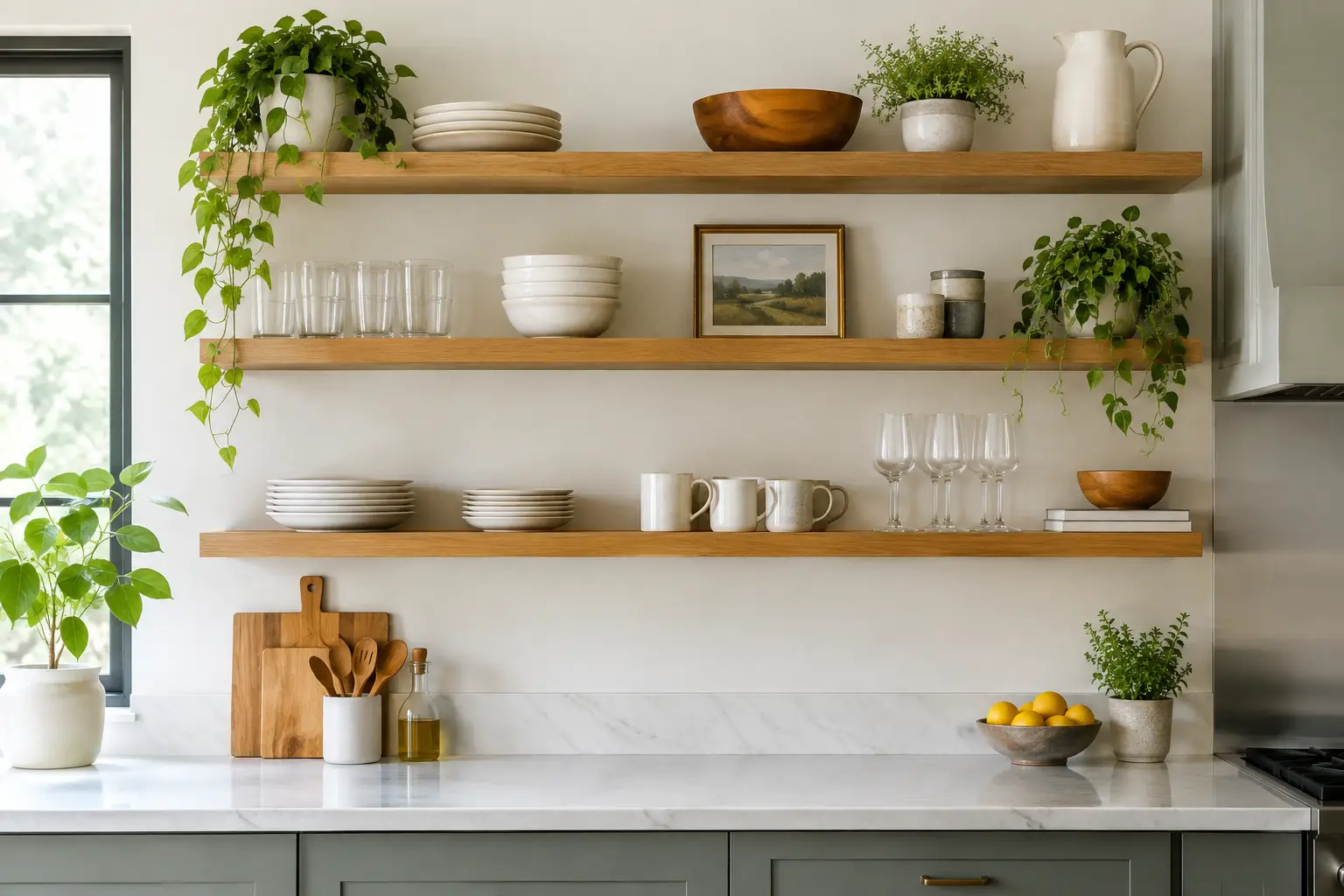
Open shelving has a way of making a room feel instantly more personal – but only when it looks intentional. Learning how to style open shelves is less about filling every available inch and more about creating a composed, useful display that feels collected over time. The best shelves balance everyday function with the kind of visual ease found in a thoughtfully designed boutique hotel.
Whether you are refreshing kitchen shelving, styling a living room built-in, or giving a small apartment more character, begin with one standard: every item should either earn its place through beauty, purpose, or both.
Start With a Clear Point of View
Before placing a single object, decide what the shelves need to do. In a kitchen, they may hold dinnerware, glassware, and a few refined decorative details. In a living room, they can frame books, artwork, and objects with personal meaning. Bathroom shelves need a more edited approach, with elegant containers doing the visual work while keeping necessities close at hand.
This decision shapes everything from your color palette to how much negative space you need. A display shelf can be lighter and more sculptural. A hardworking shelf needs durable pieces that still look elevated when they are used every day.
Choose a restrained visual direction rather than trying to represent every style you enjoy. Warm wood, cream ceramics, aged brass, and linen-toned book covers create a relaxed, organic look. For a cleaner, more contemporary finish, pair clear glass, matte black accents, white pottery, and a few sleek tech accessories. The goal is cohesion, not perfection.
How to Style Open Shelves With the Right Foundation
Remove everything first. This is the fastest way to see the shelf itself, notice its proportions, and avoid decorating around clutter. Wipe down the surface, assess the wall color and lighting, then return only the pieces that support your chosen look.
Start with your largest, most practical items. Stacks of matching dinner plates, substantial cookbooks, storage baskets, or a framed print create visual anchors. Put these pieces in different positions across the shelves instead of lining them all up in a single predictable column. A little asymmetry gives the arrangement energy.
Next, build in layers. Place a small artwork behind a vase, set a smaller bowl on top of two or three books, or position a candle in front of a decorative tray. Layering creates depth, which makes even simple objects look more considered. Keep the front edge relatively clear so the shelf still feels airy rather than crowded.
A useful styling rule is to vary height, shape, and texture. If one section includes a tall pitcher, balance it nearby with a lower stack of books and a rounded object. You do not need identical pairs on each side. You need visual weight that feels evenly distributed from a few steps back.
Keep the Color Story Calm and Connected
Open shelves show everything, including visual noise. The easiest way to achieve a premium finish is to edit the color palette before you start arranging. Choose two or three core tones, then add one subtle accent color if the room calls for it.
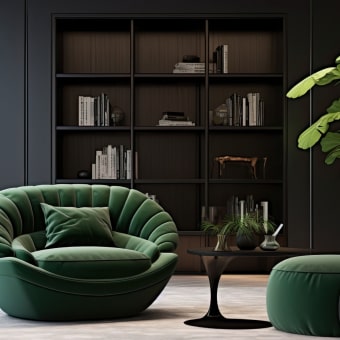
For example, a kitchen might rely on white stoneware, clear glass, natural wood, and a touch of muted green from herbs or ceramics. A living room shelf may look especially polished in shades of ivory, tobacco, charcoal, and brass. Repeating colors in small ways across multiple levels helps the display read as one complete composition.
This does not mean every piece needs to match. Matching can quickly make shelves feel like a showroom set. Instead, look for related undertones. Cream works beautifully with warm white. Black can sit comfortably beside deep espresso wood. Mixed metals can work, too, provided one finish takes the lead and the others appear as quiet accents.
If your dishes are brightly colored or your book collection is visually busy, use containers and bookends to create calmer blocks of color. Turning some books with their pages facing outward is an option, though it is best used sparingly if you want to find titles easily.
Create Rhythm, Not Rows
The most common open-shelf mistake is treating every level exactly the same. A shelf filled with evenly spaced objects at the same height can feel flat, even when every individual piece is beautiful. Give the eye places to rest and reasons to move.
Try grouping objects in loose arrangements of three, especially when styling decorative pieces. A ceramic vase, a small bowl, and a framed photo can make a graceful cluster when each item has a different height or silhouette. In contrast, functional groups such as glasses or plates often look best in tidy sets. The mix of relaxed styling and orderly storage is what makes a shelf feel livable.
Leave some open space around your favorite objects. Negative space is not wasted space. It is what allows a sculptural vase, a distinctive serving piece, or a richly textured basket to look special rather than disappear into the background.
For long shelves, avoid placing all of the tallest pieces in the center. Spread vertical elements across the arrangement, then break them up with lower, horizontal forms. This gives the full wall a more natural rhythm.
Make Kitchen Shelves Beautiful Enough for Everyday Use
Kitchen open shelves demand a little more discipline because they carry the visible weight of daily routines. Reserve the easiest-to-reach shelves for the pieces you actually use: bowls, mugs, plates, drinking glasses, and pantry staples in well-designed containers. Save the top shelf for less frequently used serving pieces or decorative objects.
A coordinated set of stoneware can make a kitchen feel instantly more luxurious, even when the rest of the shelf is simple. Stack plates neatly, nest bowls, and use a few beautiful mugs rather than displaying every cup you own. Clear canisters filled with dry goods can be effective, but only if their contents are fresh-looking and the labels are minimal.
Bring in one living element, such as a trailing plant, a small vase of seasonal branches, or a pot of culinary herbs. Greenery softens hard surfaces and makes a practical arrangement feel more welcoming. If your kitchen has limited natural light, choose a quality faux botanical rather than struggling to keep a real plant alive.
Be realistic about maintenance. Open shelving is not ideal for everyone who dislikes dusting or has a particularly active cooking space. A combination of closed cabinetry for overflow and one or two open shelves for curated essentials often delivers the best of both worlds.
Add Personal Pieces Without Losing the Elevated Look
Shelves should reflect a life, not a catalog. A favorite travel photograph, a handmade bowl, a small object passed down through family, or a beautiful book on a subject you love gives the arrangement authenticity. The key is selective display. Personal objects become more meaningful when they are not competing with dozens of other keepsakes.
Choose frames that support the room’s finish palette, and consider leaning smaller artwork rather than hanging it. This creates an easy, collected effect and allows you to refresh the shelf without patching walls. Decorative boxes are another refined way to keep small, less photogenic essentials nearby.
For a more sophisticated result, avoid relying on signs, novelty décor, or too many small figurines. One unexpected piece can be charming. A shelf full of them can feel visually scattered. Quality materials such as ceramic, glass, stone, wood, linen, and metal tend to look more enduring than trend-specific accents.
Refresh Your Shelves by Season, Not by Impulse
The most stylish shelves evolve, but they do not need a full redesign every month. A seasonal edit keeps the space feeling current without creating unnecessary purchases or clutter. In warmer months, introduce lighter ceramics, fresh greenery, and clear glass. As the weather cools, bring in richer woods, amber glass, textured textiles, and a few deeper tones.
You can also refresh a shelf by simply moving what you already own. Shift a vase to another room, rotate books, trade a framed print for a new photograph, or restyle a serving bowl with a small botanical arrangement. This is smart shopping at its most personal: investing in versatile, well-made pieces that can work in more than one setting.
If you are building your collection, prioritize a few adaptable essentials over a cart full of filler. A beautiful tray, a substantial vase, coordinated dinnerware, sculptural bookends, and a pair of versatile storage baskets can transform several rooms over time. Curated home accents from Bluurban can help create that layered, premium foundation while leaving room for your own story.
The final test is simple: step back, then remove one thing. If the shelves look better, keep editing. The most inviting open shelves do not announce how hard they were styled. They simply make the room feel more useful, more expressive, and more like home.








Leave a comment