
Standing Desk Review: What Premium Buyers Should Check
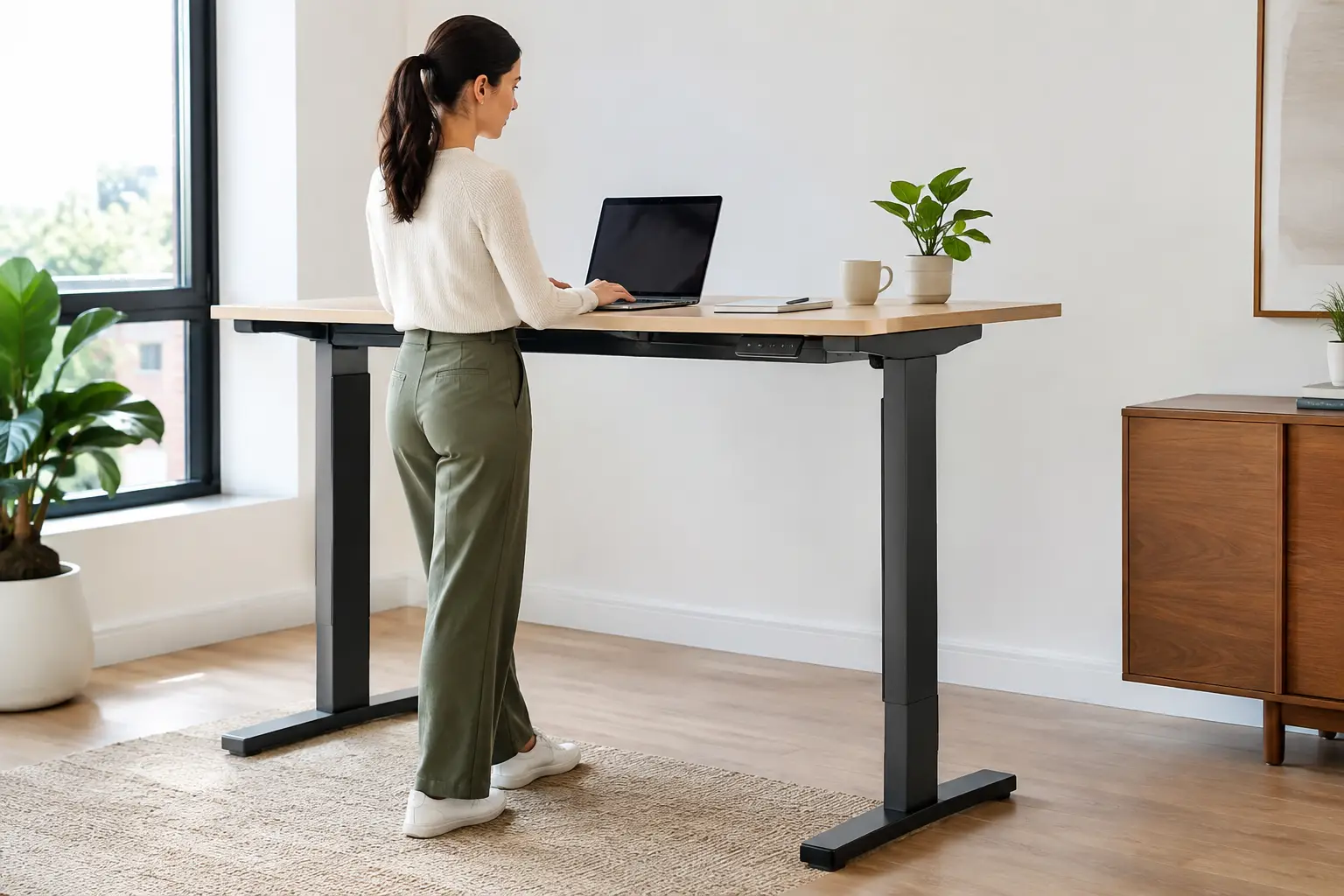
A standing desk can change the feel of a workday, but only if it earns its place in the room. The best options bring together quiet movement, reassuring stability, thoughtful proportions, and a finish that complements rather than compromises your home. This standing desk review focuses on the details that separate a stylish, dependable workspace upgrade from a costly piece of furniture you eventually avoid using.
For many buyers, the appeal is simple: a desk that adapts to focused computer work, quick calls, creative projects, and shared household routines. Yet the category is crowded with nearly identical claims. A premium choice is not defined by a high price alone. It should feel polished in daily use, support your setup without shaking, and fit your body as naturally as it fits your interior.
Standing Desk Review: The Features That Matter Most
The first test is stability. Raise a desk to a comfortable standing height, place your hands on the work surface, and type normally. A small amount of movement is common, especially on wider desktops, but persistent side-to-side wobble makes a desk feel less refined and can become distracting during long sessions. This is where frame construction, leg design, and overall weight matter more than a dramatic list of features.
Look for a substantial steel base, well-fitted crossbars where applicable, and leveling feet that can handle slightly uneven flooring. A desk may look elegant in a product image, but it needs a strong foundation beneath a monitor, laptop, keyboard, task light, and the everyday items that make a workspace personal. If you use a large ultrawide display or dual-monitor arm, stability should be at the top of your criteria.
Height range comes next. A useful sit-stand desk should lower enough for comfortable seated posture and rise high enough for taller users to stand with relaxed shoulders and elbows close to a 90-degree angle. This matters particularly in homes where one desk may serve more than one person. A generous range offers flexibility without forcing anyone into an awkward position.
The desktop itself deserves equal attention. A shallow surface can work for a laptop-only setup, but 24 inches deep is often the practical minimum for a monitor and keyboard. A 30-inch depth creates a more composed, spacious workstation, especially if you want room for a notebook, a charging tray, or an understated desk accessory. Width depends on the room and your equipment, though 48 to 60 inches is a versatile range for most home offices.
Material and finish are part of the experience
There is a real difference between a thin laminated top that feels temporary and a well-finished surface with visual warmth. Solid wood offers character, weight, and a more furniture-like presence, though it often costs more and requires care. Veneer can provide a sophisticated wood look with greater consistency, while quality laminate is typically the easiest option for busy households because it resists scratches, spills, and daily wear.
No material is automatically superior. A pale oak-style top can soften a modern office, while walnut-inspired finishes bring depth to a study or living room corner. White and black desktops have a clean, contemporary appeal, but they can reveal marks, fingerprints, or dust more readily depending on the finish. Choose the surface that suits how you actually live, not only the image you want to create.
Performance Beyond the Spec Sheet
Motor performance is one of the most noticeable differences between entry-level and better-designed standing desks. A smooth lift should feel controlled rather than abrupt. Quiet operation matters when you work near a bedroom, nursery, shared living space, or video-call setup. A desk does not need to be silent, but a harsh mechanical sound can make regular posture changes feel inconvenient.
Dual-motor systems often provide more balanced lifting and can support heavier desktop loads, although a well-engineered single-motor model may be perfectly suitable for a light workstation. The key question is not simply how much weight a desk claims to lift. Consider the combined weight of the desktop, displays, mounts, computer, speakers, and accessories. Then leave room for future upgrades.
Memory presets are a small feature with an outsized benefit. Once you have set your preferred seated and standing heights, one-touch controls remove the friction from changing positions. Some control panels also include reminders to alternate between sitting and standing. Those prompts can be helpful, but they are not a substitute for finding a rhythm that feels comfortable. Standing for hours without a break is not the goal. Movement is.
Anti-collision technology is worth having, particularly in homes with children, pets, or tightly arranged furniture. When the desk senses resistance as it moves, it stops or reverses direction. It is a thoughtful safeguard, though it should not encourage careless use. Keep cables clear and check the space beneath the desk before lowering it.
Cable management makes a desk look intentional
A standing desk rises and lowers, which means cable organization is not merely cosmetic. Loose cords can snag, pull equipment, and turn a refined setup into visual clutter. A built-in cable tray, discreet pass-through grommets, and enough room for a power strip make an immediate difference.
For a premium-looking workspace, route cables along the underside of the desktop and leave enough slack for the desk to reach its highest position. If you use a monitor arm, check whether the desktop thickness and rear clearance will accommodate its clamp. This detail is easy to overlook until a beautiful desk arrives and cannot be positioned where you planned.
The Trade-Offs Worth Considering
A standing desk is an investment in daily comfort, but it is not the right solution in every configuration. Large, heavy desks can be difficult to move through apartment hallways or upstairs rooms. Real wood tops add elegance but also weight. Compact electric desks fit smaller spaces but may sacrifice surface area and high-position stability.
Assembly is another practical consideration. Some desks arrive with a simple frame-and-top installation, while others require more time, more tools, and careful alignment. If your schedule is already full, a design with clearly labeled parts, pre-drilled holes, and straightforward instructions is a premium feature in its own right. Consider where you will assemble it, too. Once built, a wide desk may not fit through the doorway of its final room.
Price should be judged through longevity, not just the first transaction. A lower-cost desk can make sense for a temporary setup, a college apartment, or occasional use. For a primary workstation, spending more on a stable frame, quieter motor, stronger warranty, and enduring finish can be the smarter value. The desk becomes part of your routine, your productivity, and your home’s visual landscape.
How to Choose the Right Size and Style
Start with the room, not the product page. Measure the wall, outlet placement, door swing, and the clearance needed behind your chair. Then map out what you need on the surface. A creator working with a camera, display, and notebook has different needs from someone using a laptop and a single task lamp.
Style should be purposeful. A warm wood top with a slim black frame feels architectural and grounded in a modern home. A white desk can create a lighter, more airy visual effect in smaller spaces. For a more elevated look, pair the desk with a supportive upholstered or performance task chair, a low-profile monitor arm, and storage that keeps everyday tools out of sight.
Do not forget the floor beneath you. A supportive anti-fatigue mat can make standing intervals more comfortable, while a protective chair mat may be useful on carpet or delicate hard flooring. These additions are not decorative extras. They help the desk perform as a complete workspace rather than a single piece of furniture.
A Better Standard for Your Next Workspace
The strongest standing desks make flexibility feel effortless. They are stable enough to support serious work, refined enough to belong in a considered interior, and simple enough that you actually change positions throughout the day. Bluurban shoppers who value design and practical convenience should look beyond flashy features and prioritize the elements they will notice every morning: fit, finish, movement, and confidence at full height.
Choose a desk that makes your workspace feel more composed, not more complicated. When the proportions are right and the mechanism disappears into the background, standing up becomes less of a productivity ritual and more of a natural way to work.












Leave a comment