
Pet Friendly Sofa Fabrics That Look Luxurious
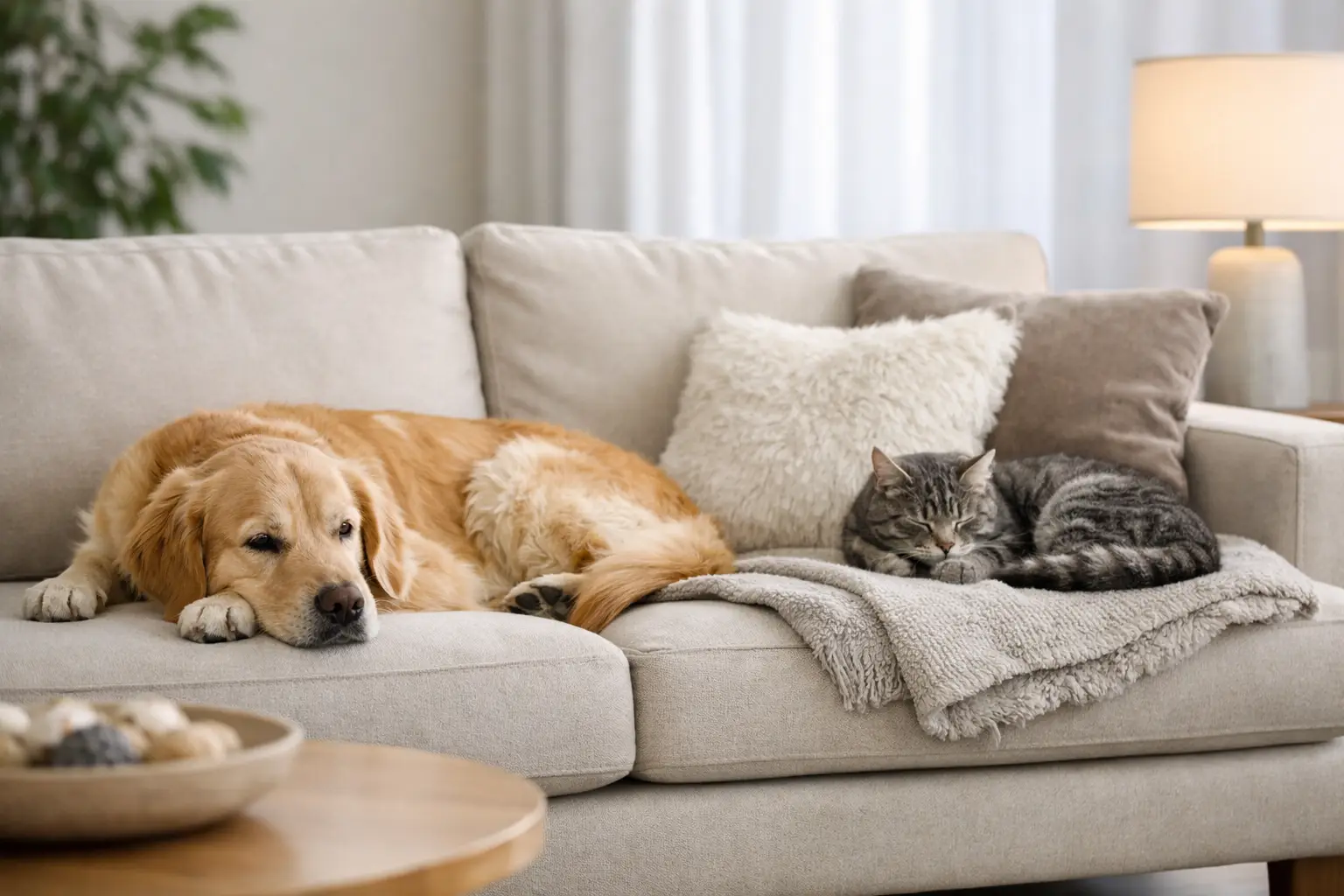
A beautiful sofa should not become off-limits because a dog claims one corner or a cat treats the back cushions as a lookout. The best pet friendly sofa fabrics make room for real life: shedding, muddy paws, the occasional accident, and plenty of cozy afternoons, while keeping the living room polished and inviting.
The right choice is not always the thickest or most expensive upholstery. It is about the weave, the finish, the color, and how your household actually uses the space. A sleek performance fabric may be ideal for a busy family with a large dog, while a tightly woven leather sofa can be the smarter statement piece for a cat-free apartment.
What Makes a Sofa Fabric Pet-Friendly?
Pet-ready upholstery earns its place through a few practical qualities. First, it should resist snagging. Open or looped weaves give claws something to catch, which can quickly turn a refined sofa into a frayed one. Second, it should be easy to clean without special treatment after every small spill or paw print.
Texture matters, too. Fabrics with a subtle weave, heathered finish, or midtone color often disguise loose fur and minor marks better than ultra-smooth pale upholstery. That does not mean white or cream is impossible with pets, but it does mean the fabric choice needs to work harder.
Durability ratings can offer helpful direction, particularly for a sofa in a main living area. Still, they are not the entire story. A fabric can test well for abrasion and still attract pet hair or show every claw pull. Consider performance, cleanability, and appearance together rather than shopping by one specification alone.
The Best Pet Friendly Sofa Fabrics for Elevated Homes
Performance fabric
Performance upholstery is one of the most versatile choices for pet households that want a premium look without a precious feel. These fabrics are engineered to resist stains, moisture, fading, and everyday wear. Many can be spot-cleaned with water and mild soap, though care instructions should always lead the way.
The category includes everything from crisp tailored textures to soft, relaxed weaves, so it does not have to look technical. A warm taupe performance sofa can feel as sophisticated as traditional linen, but it is far less stressful when a pet jumps up after a walk. For homes with children and animals, this is often the most balanced investment.
Microfiber and microsuede
Microfiber has a dense, tightly packed surface that makes it difficult for claws to catch and easier for fur to brush away. It is soft underhand, comfortable for lounging, and typically more forgiving than natural woven fabrics. Microsuede offers a similar appeal with a velvety, tailored appearance.
The trade-off is that lighter microfiber may show dark paw marks, while some finishes can develop pressure marks or a slightly changed nap over time. Choose a medium or deeper neutral, such as mushroom, camel, charcoal, or olive, for a more relaxed maintenance routine. A lint brush and occasional vacuuming will keep the surface looking composed.
Leather and protected leather
Leather brings a clean-lined, high-end presence to a room, and it does not trap fur the way woven upholstery can. Most hair wipes away easily, and a quick clean can address many everyday messes. Protected or top-grain leather with a durable finish is generally the more practical route for active homes.
There is an honest caveat: leather can scratch. Some families love the softened, lived-in character that develops with time, especially on a cognac or dark brown sofa. If every visible claw mark will bother you, however, select a textured protected leather, avoid very smooth finishes, or consider performance fabric instead.
Velvet with a performance finish
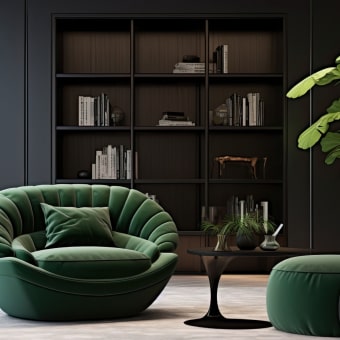
Velvet is not automatically a pet-household mistake. A durable performance velvet has a short, dense pile that can resist snagging better than many loosely woven textiles, and it offers a richly elevated look that suits contemporary and classic spaces alike.
Its main challenge is maintenance. Fur can be visible on saturated colors, and the pile may show directional shading after use. A deeper jewel tone, earthy brown, or muted blue can make the effect feel intentional rather than fussy. This is a strong choice for a lower-traffic sitting room or for pet owners who are happy to do a quick weekly refresh.
Tightly woven canvas, twill, and synthetic blends
For a relaxed but refined living room, tightly woven cotton blends, polyester blends, canvas, and twill can be smart contenders. Their structure holds up well to regular use, and a subtle texture helps disguise minor wear. Slipcovered versions add another layer of convenience when the covers are removable and washable.
Pure cotton can absorb spills quickly, so it is better suited to a room where pets are generally clean and furniture rules are consistent. A cotton-polyester blend or a fabric treated for stain resistance offers more reassurance while preserving that approachable, designer-inspired texture.
Fabrics to Approach With Care
Some materials are beautiful but demand a more controlled environment. Loose basket weaves, bouclé, chenille with pronounced loops, and open linen weaves can tempt claws and collect fur in the texture. They can still work in a pet home, but usually as accent chairs, occasional seating, or pieces protected by a washable throw.
Silk, delicate natural velvets, and untreated linen are more vulnerable to water marks, staining, and uneven wear. If your sofa is the center of daily movie nights, naps, and pet lounging, these are high-maintenance choices. Save them for spaces where the visual impact outweighs the practical demands.
This is also where a common mistake appears: choosing a fabric solely because it is dark. Black velvet may hide certain stains, but it can display light-colored fur dramatically. A charcoal flecked weave, warm brown leather, or medium-gray performance fabric often hides more of what daily life leaves behind.
Color, Pattern, and Cushion Design Matter Too
Fabric is only one part of a pet-ready sofa. Color can reduce the visual workload between cleanings. The most forgiving shades tend to sit near your pet’s coat color, but they should still suit your home. A gray-and-cream dog may make a heathered greige sofa feel like an inspired styling choice rather than a constant cleanup project.
Subtle patterns, tonal striations, and multi-threaded weaves are especially helpful because they break up the appearance of fur and small marks. Solid pale colors create a serene, gallery-like look, but they are best reserved for households willing to use throws, enforce sofa boundaries, or clean more frequently.
Cushion construction deserves attention as well. Loose, reversible cushions let you rotate wear and keep the seating area looking balanced. Zip-off covers can be appealing, but verify whether they are machine washable or dry-clean only before assuming they offer a simple solution. Even washable covers may shrink or change texture if washed incorrectly.
How to Choose Without Regretting It
Before committing, get a fabric swatch and test it at home. Place it beside your flooring and under your usual lighting, then lay a few pet hairs on it. Gently run a fingernail across the surface to see whether the weave catches. If possible, add a drop of water and follow the manufacturer’s recommended cleaning method.
Think about behavior, not just species. A calm short-haired dog that rarely gets on furniture presents a very different challenge from two cats who scratch corners or a large dog who naps across every cushion. No fabric is completely indestructible, and a realistic match will look better longer than an overly delicate dream purchase.
For a more polished result, pair the sofa with a washable throw in the pet’s preferred lounging spot, a nearby bed that is genuinely comfortable, and a lint roller or handheld vacuum stored within reach. These small choices protect the investment without making the room feel designed around damage control.
A pet-friendly home can still feel considered, expressive, and distinctly yours. Choose upholstery that welcomes the life you love, then let its texture, tone, and durability carry the room with quiet confidence.









Leave a comment