
How to Choose Statement Lighting With Confidence
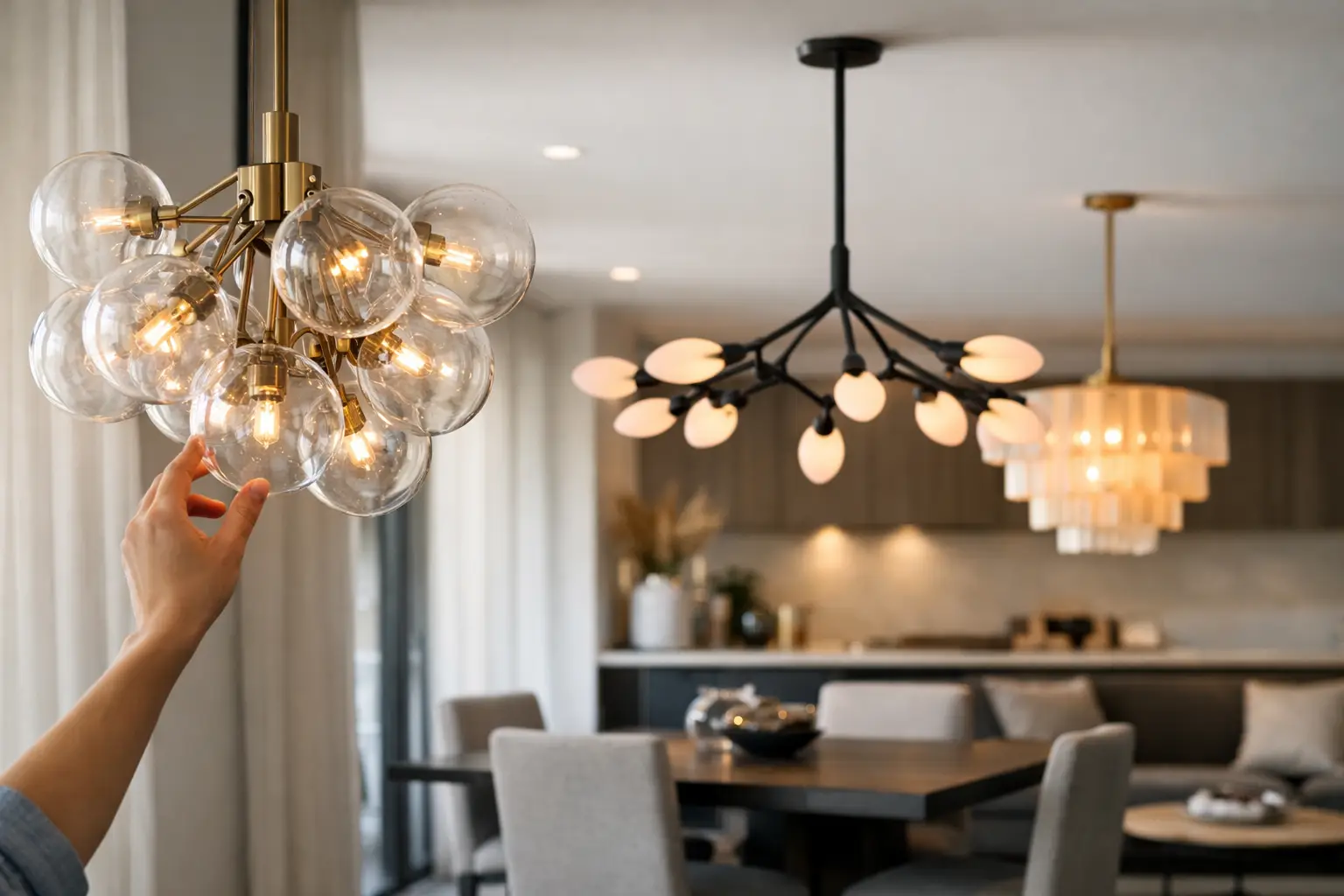
A striking fixture can make a carefully furnished room feel finished in a single afternoon. It can also feel oddly small, overly bright, or disconnected from everything beneath it. Knowing how to choose statement lighting is less about finding the boldest design and more about selecting a piece with the right presence for the room, the ceiling, and the way you live.
Statement lighting is the room’s jewelry: noticeable, expressive, and capable of changing the entire mood. Whether you are refreshing a city apartment, giving a dining room a more polished identity, or adding character to an entryway, the best choice balances visual drama with everyday function.
Start With the Room’s Job
Before considering finishes, silhouettes, or trends, consider what the room needs to do. A dining room fixture should make meals, conversations, and entertaining feel warm and intentional. A kitchen pendant must contribute useful task light while holding its own against cabinetry and hardware. In a bedroom, a sculptural ceiling light may be more about atmosphere than high-output illumination.
This distinction matters because statement lighting is not always meant to be the only source of light. A dramatic chandelier can create an exquisite focal point, but it may need table lamps, sconces, or recessed lights to make the room practical after dark. Treat the fixture as one layer in a lighting plan, not a standalone solution.
For spaces that serve multiple purposes, flexibility is particularly valuable. A dimmable fixture lets a breakfast nook feel crisp in the morning and more relaxed for dinner. In a home office, a distinctive overhead design can elevate the room, but a focused desk lamp still protects comfort and productivity.
Choose Statement Lighting at the Right Scale
Scale is where beautiful fixtures often succeed or fail. A small pendant suspended over a generous dining table can disappear, while a massive chandelier in a compact foyer can make the ceiling feel lower than it is. The goal is visual confidence, not crowding.
A simple starting point is to add the room’s length and width in feet, then use that number in inches as an approximate fixture diameter. A 12-by-14-foot room, for example, can often carry a fixture around 26 inches wide. This is a useful guide, not a strict rule. Open-concept rooms, high ceilings, and airy designs can support more scale, while rooms with substantial furniture or a lower ceiling may call for restraint.
Over a dining table, the fixture should generally be narrower than the table itself, leaving visual breathing room at the edges. A wide linear pendant is a sophisticated option for a rectangular table or kitchen island, while a round chandelier often brings balance to a circular table or a more intimate dining zone.
Height deserves the same attention. For dining tables, hanging the bottom of a fixture roughly 30 to 36 inches above the tabletop usually keeps sightlines open while creating a sense of occasion. In a foyer or living room, leave enough clearance for people to move naturally beneath it. If ceilings are tall, choose an adjustable chain, rod, or cable system rather than settling for a fixture that hovers too high and loses its impact.
Let the Fixture Complement the Architecture
The most memorable rooms often have contrast, but contrast needs a common thread. A sleek globe pendant can look exceptional in a traditional room when its finish echoes the hardware or picture frames. An ornate chandelier can soften a modern interior when its shape introduces warmth without repeating every detail in the space.
Look first at the room’s strongest existing elements: ceiling height, windows, table shape, cabinetry, flooring, and prominent finishes. Then decide whether the lighting should blend in or provide a deliberate point of difference.
If your room already has patterned rugs, colorful art, and layered textiles, a sculptural fixture in a quieter material such as alabaster-look glass, linen, matte black metal, or brushed brass can provide polish without adding visual noise. In a neutral space, lighting can carry more personality. Oversized woven shades, clustered glass pendants, pleated fabric, or a distinctive geometric silhouette can create the dimension the room has been missing.
Finish is equally influential. Warm brass and antique bronze tend to feel inviting and elevated, especially alongside wood tones and cream upholstery. Chrome, polished nickel, and blackened steel can sharpen a contemporary scheme. Mixed metals are welcome when they appear intentional. Repeating one finish in at least one or two nearby details helps the room feel curated rather than collected at random.
Think Beyond the Trend Cycle
Statement lighting should feel current, but it does not need to chase every seasonal look. A fixture has more staying power when its shape relates to the home and its materials feel considered. Organic forms, natural fibers, soft glass, and classic metal finishes often adapt gracefully as furniture and accessories evolve.
If you love a more directional look, use it where replacing a fixture later will be easy and affordable. A playful pendant in a powder room, breakfast area, or guest room offers room to experiment. For a major entryway or formal dining space, investing in a versatile statement piece is usually the smarter long-term choice.
Prioritize the Quality of Light, Not Just the Look
A beautiful fixture that casts harsh shadows or leaves a room dim will eventually feel like a compromise. Pay attention to bulbs, shades, and how the light is directed. Clear glass exposes bulbs and creates sparkle, but it can produce glare if the bulbs are too bright. Frosted glass and fabric shades diffuse illumination for a softer, more flattering glow.
For living rooms, bedrooms, and dining spaces, warm white light in the 2700K to 3000K range typically feels inviting. Kitchens, bathrooms, and workspaces can tolerate a slightly brighter, cleaner effect, especially where detail-oriented tasks happen. When color matters, such as near a vanity or in a dressing area, look for bulbs with strong color rendering so skin tones, fabrics, and finishes appear true to life.
Dimmers are one of the most worthwhile upgrades for statement lighting. They allow a single fixture to adapt from weekday utility to evening ambiance. Just confirm that the fixture, bulbs, and dimmer are compatible. Integrated LED designs can offer an especially clean profile and energy efficiency, but replacement options and dimming performance vary by model. A standard-bulb fixture may offer more flexibility over time.
Make It a Focal Point, Not an Obstacle
The right placement gives statement lighting a purpose. Centering a fixture in the middle of the ceiling works in some rooms, but it is not always the visual center. In a dining room, align it with the table. In a living room, consider the seating arrangement. In a kitchen, pendants should relate to the island rather than simply follow the ceiling junction box.
This is especially relevant in open layouts, where lighting can define distinct zones without walls. A sculptural pendant above a dining table signals a place to gather. A pair of refined pendants distinguishes the kitchen work zone. A flush-mount fixture near an entry can introduce the home’s design language before guests reach the main living area.
Be realistic about maintenance, too. Intricate chandeliers and open-shade designs can be extraordinary, but they may require more frequent dusting. If the fixture will hang above a busy kitchen island or near a front door, choose materials and forms that suit the level of upkeep you are willing to give them.
Give Your Home One Memorable Moment
Not every room needs a dramatic ceiling fixture. In fact, statement lighting feels more luxurious when it is used with intention. Choose the room where people naturally gather, arrive, or pause, then let the fixture establish a sense of character there.
The best selection is the one that looks compelling from across the room, feels proportional when you stand beneath it, and gives the space the light it truly needs. A considered fixture does more than brighten a ceiling. It turns an ordinary room into a destination you look forward to coming home to.









Leave a comment