
8 Smart Home Trends 2026 Will Make Standard
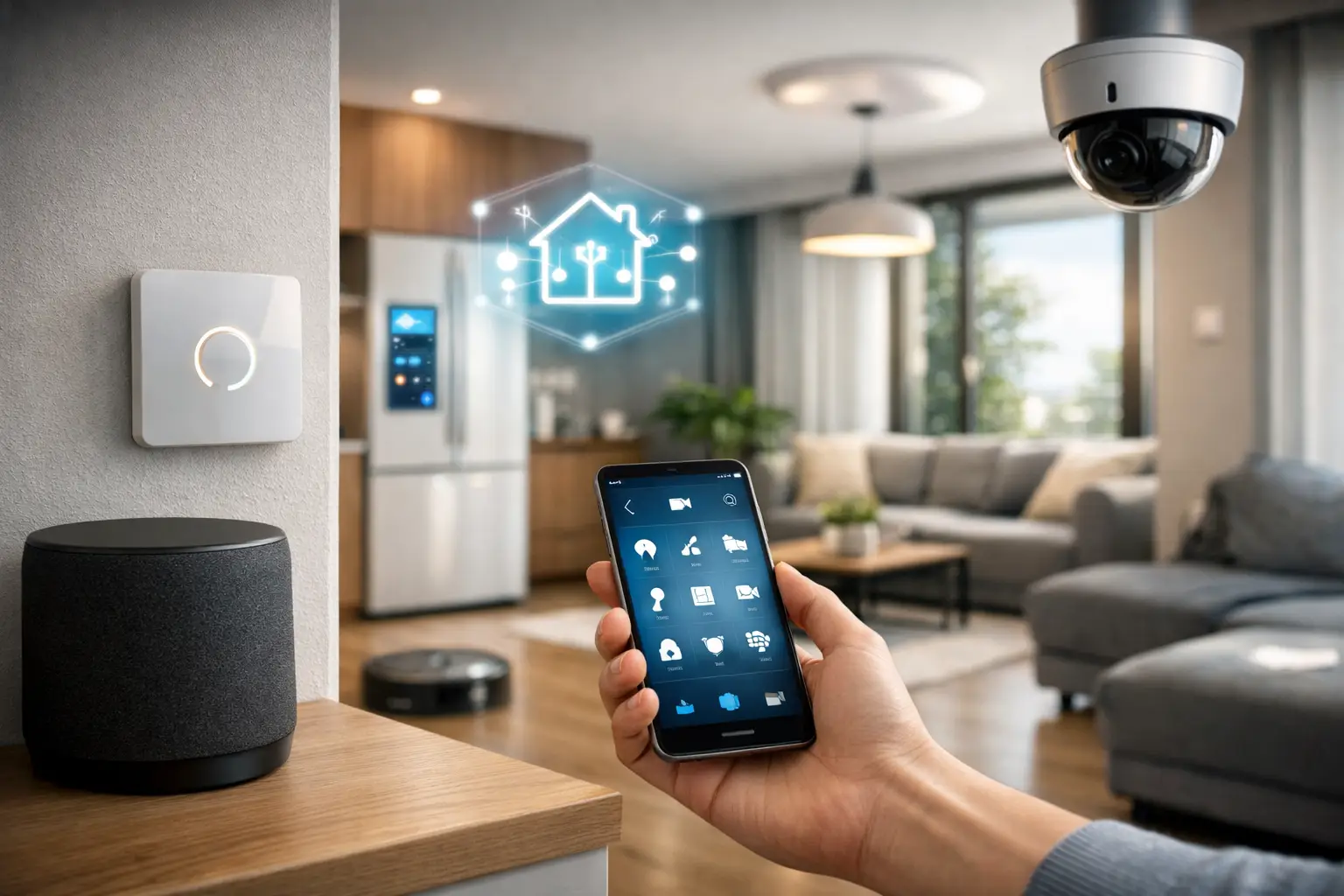
The smart speaker on your kitchen counter is no longer the star of the show. In the next wave of connected living, the most desirable homes will feel quieter, cleaner, and more intuitive – with technology that blends into the background while making daily life noticeably better. That shift defines smart home trends 2026, and it matters because shoppers are no longer looking for novelty. They want systems that look refined, save time, lower energy waste, and fit naturally into a well-designed space.
For style-conscious homeowners and apartment dwellers, this is a meaningful change. The smart home market is moving away from gadget collecting and toward curated ecosystems. Instead of asking, “What device should I add next?” more people are asking, “What setup will actually improve the way I live?” The answer, in 2026, will be less about having more devices and more about choosing better ones.
Smart home trends 2026 are moving beyond novelty
A few years ago, much of the category was built around convenience demos. Lights turned on with a voice command, a camera sent motion alerts, a robot vacuum mapped the floor. Useful, yes, but still somewhat fragmented. The bigger trend now is maturity.
Consumers want interoperability, not islands of technology. Devices that cannot communicate easily with each other will feel dated faster, even if they perform well on their own. This is one reason platform compatibility is becoming a premium feature. A beautifully designed thermostat or lock is more compelling when it works smoothly with the broader home, not just within one brand’s app.
That does not mean every home needs an all-in system. In fact, one of the clearest trade-offs in 2026 is between customization and simplicity. Tech enthusiasts may still prefer building around multiple brands for maximum control. Most households, though, will lean toward fewer apps, easier setup, and products that simply cooperate.
AI-powered automation gets more personal
The next phase of home automation is not about adding more commands. It is about reducing the need to issue them.
AI is making smart homes more adaptive, learning patterns around lighting, room temperature, media use, security behavior, and energy habits. Instead of a homeowner creating dozens of manual routines, the system starts suggesting them. If your shades drop every afternoon because of sun exposure, your thermostat adjusts before a heat spike, and your entry lights come on only when someone actually arrives home, that feels more elevated than saying, “Turn on evening mode” every night.
The strongest products will combine automation with restraint. There is a fine line between helpful and intrusive. A smart home that tries to predict everything can feel fussy, especially in homes with children, guests, pets, or irregular schedules. The premium experience will come from systems that learn but still leave room for easy overrides.
Design-first devices become the new standard
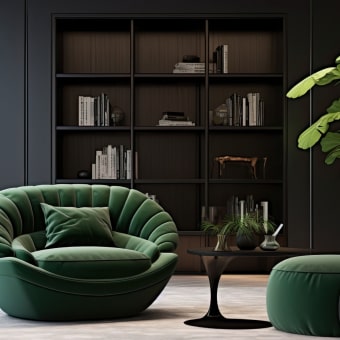
One of the most visible smart home trends 2026 will bring is better industrial design. Consumers no longer want tech that looks like an afterthought. They want hardware that complements warm minimalism, modern organic interiors, luxe finishes, and compact urban spaces.
That means more muted color palettes, slimmer profiles, hidden displays, softer lighting, and materials that feel intentional rather than overtly technical. Cameras are becoming more discreet. Air purifiers and speakers are being designed to resemble decor pieces. Charging stations are getting cleaner lines and more furniture-friendly finishes.
This matters because the smart home is now part of lifestyle merchandising, not just consumer electronics. Buyers want a video doorbell that does its job, but they also care whether it clashes with the front entry. They want bedside charging solutions, but not a tangle of cables disrupting the room. In a premium retail environment, aesthetic integration is no longer a bonus. It is part of the value.
Energy intelligence moves from nice-to-have to essential
Energy awareness is becoming a major purchase driver, especially as utility costs remain unpredictable and backup power becomes more relevant in many parts of the US. Smart plugs, thermostats, blinds, water monitors, and battery systems are increasingly being judged by one simple question: will this help me manage costs without compromising comfort?
In 2026, expect stronger demand for products that provide real-time energy data in a way that feels usable, not overly technical. Households want to know which devices are drawing power, when to shift usage, and how to automate efficiency during peak-rate periods. They also want options for resilience, including portable power stations, solar-compatible charging accessories, and smart systems that protect essentials during outages.
There is a practical luxury angle here. Efficient living is no longer being framed as sacrifice. The appeal is a home that feels intelligently managed – cooler when it should be, lit where it matters, and less wasteful behind the scenes. That combination of control and comfort is exactly where premium smart home shopping is headed.
Home security becomes less aggressive and more integrated
Security tech is becoming more polished. Earlier generations often leaned heavily on constant notifications, loud hardware, and visible deterrence. That still works for some households, but many buyers now prefer a calmer, more integrated approach.
Expect to see more multi-function devices that combine cameras, lights, sensors, locks, and alerts into a cleaner ecosystem. Video quality will continue to improve, but so will filtering. Smarter motion distinction, package recognition, facial familiarity options, and custom activity zones help reduce the annoyance factor that has turned some users away from home monitoring.
Privacy, however, will be the deciding factor for many shoppers. A camera in every room may sound advanced, but it is not right for everyone. The stronger trend is selective security – better coverage at entry points, smarter outdoor awareness, and tighter control over data storage and permissions. The best systems will offer confidence without making the home feel surveilled.
Wellness tech expands beyond air purifiers
The wellness category inside the smart home is getting broader and more sophisticated. Air quality monitors and purifiers remain important, but 2026 will push further into sleep support, circadian lighting, humidity balancing, sound masking, and personalized climate control.
This shift reflects a larger lifestyle preference. People are investing in homes that support how they want to feel, not just how they want things to function. Better bedroom lighting that gradually warms at night, smart diffusers with scheduled routines, and connected humidifiers that respond to season changes all fit that mood.
Still, this is an area where shoppers should be selective. Not every wellness claim is equally meaningful. A strong product should solve a real comfort issue, provide clear data or noticeable benefit, and fit the room visually. If it adds clutter or requires constant maintenance, its elegance fades quickly.
Kitchens and laundry rooms get quietly smarter
The most successful smart upgrades are often the least flashy. In 2026, kitchens and utility spaces will continue to evolve through practical intelligence rather than dramatic reinvention.
Think leak detectors under sinks, refrigerators with better inventory support, faucets with touchless and measured dispensing features, and countertop appliances that connect for more precise cooking and maintenance reminders. In the laundry room, smart washers and dryers will become more useful when they can actually optimize cycles, track upkeep, and notify users in ways that reduce wasted time.
These categories do come with a cost question. Built-in smart appliances can be expensive to replace, and not every connected feature justifies the premium. For many households, accessory-level upgrades deliver a better return. Water sensors, smart plugs, compact displays, and automation hubs can modernize a space without requiring a full renovation.
Matter compatibility and simpler ecosystems win shoppers over
By 2026, consumers will have much less patience for device incompatibility. Standards that support easier cross-platform communication are shaping purchase decisions because they lower friction and protect future flexibility.
This is especially relevant for shoppers building a stylish home in stages. You may start with lighting and a speaker, then add a lock, camera, air purifier, or energy monitor later. The less guesswork involved, the better the experience. Simpler ecosystems also make smart home products more approachable for households that want convenience without becoming hobbyists.
For retailers and content-led marketplaces, this creates a stronger opportunity for curated guidance. Shoppers want edits, not just endless product grids. They respond to assortments that help them build around a lifestyle goal – better sleep, better security, lower energy waste, cleaner design – rather than just a device category.
What buyers should prioritize before upgrading
The smartest approach to smart home shopping in 2026 is surprisingly disciplined. Start with the friction points that come up every week. That might be poor entry lighting, package security, uneven temperatures, messy charging, pet monitoring, or excessive energy use. Then choose products that solve those issues while aligning with your space and style.
It also helps to think in layers. Foundation products such as routers, hubs, locks, thermostats, and lighting systems shape everything else. After that, lifestyle add-ons make more sense. A beautifully designed air monitor or bedside charging station feels far more valuable when the basics already work well.
And yes, design should stay in the conversation. A home filled with visible tech that does not match your interiors can feel less elevated, not more. The strongest choices are the ones that combine utility, visual restraint, and compatibility. That is where a premium marketplace mindset has real appeal: less random experimentation, more thoughtful curation.
The homes that feel current in 2026 will not necessarily have the most devices. They will have the right ones – selected with intention, integrated with care, and chosen to make everyday living feel easier, smarter, and a little more exquisite.









Leave a comment